

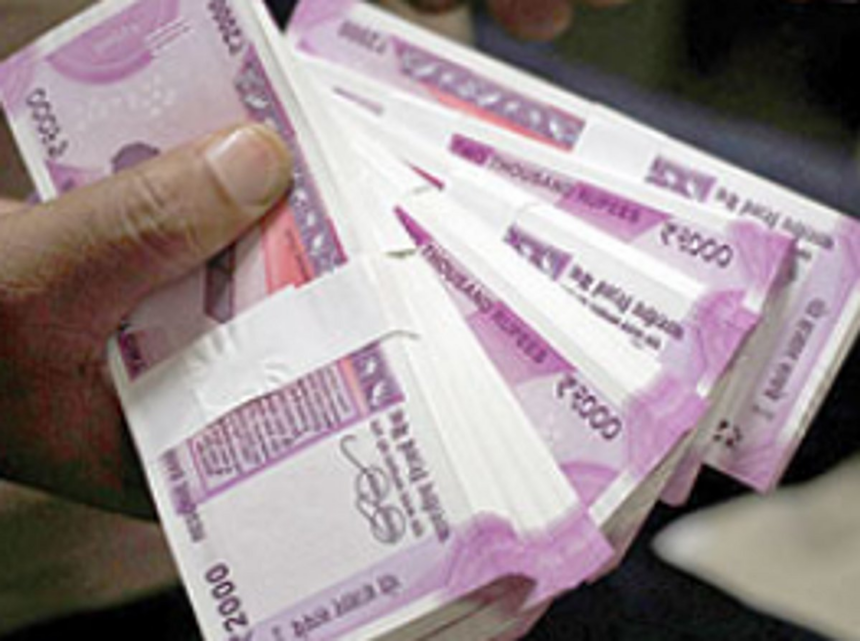
That appears to be a huge sum, but when former Reserve Bank of India Governor, Raghuram Rajan, points out that the country’s Gross Domestic Product is Rs 200 lakh crore and out of that Rs 65,000 crore is not much, it does seem an amount that can be spent. But he adds, “If this is for the poor and to save their lives and livelihood, we must do it,” with the rider that the country does not have the capacity to support people across the spectrum for too long.
What this comes down to is getting the economy back on the track. This is a facet that is being faced not just by India but by countries across the world that entered into lockdowns to fight the spread of COVID-19. This brought entire economies to a halt, leading to job losses, wage cuts, bankruptcy of firms, forcing governments to formulate exit plans from the lockdowns for their countries. India’s lockdown, quite a severe one when compared with many other countries, will complete 40 days on May 3, working out to almost a month and a half lost. It has been extended, but there are relaxations that should prop up the failing economy, as industry and professionals are beginning to demand financial packages to mitigate their losses, and that the government can ill afford.
There is no doubt that India needs to open up from the lockdown as swiftly as possible, but again there is no doubt that it has to be a staggered lifting of the lockdown. In a way, the latter is already happening, and with the classification of Red, Orange and Green zones, the coming week should see some increase amount of economic activity, in the Orange and Green zones. But, industry is not happy at the speed at which this is moving, and wants it to be faster. It is not only industry that seeks this, it is also the workforce as there are jobs losses happening across industry, and to save jobs, India has to return to some form of normalcy as quickly as possible. It is important to save people’s jobs, as otherwise the increased number of job losses will result in more poor people, and bigger spending on them.
The lockdown was essential to save lives, it brought down the rate of infection considerably, as studies do indicate that the figure of COVID-19 cases in India may otherwise have been many times higher. It has also allowed the contagion to be restricted to certain areas by not allowing movement of people, leading further to the classification of the zones. But, the lockdown can’t be extended for too long a period as it would further hurt the economy and also the people. There is every likelihood that the relaxations in the Green and Orange zones will allow much economic activity to take place. The issue is of how to manage the movement of people during the relaxations.
There are also fears that if the lockdown is totally lifted, and there is a spurt in cases, it could lead to another closure of business and government services. It is not possible to bring down contagion to a figure of zero. Until there is a vaccine or a drug to fight it, the possibility of cases will exist. As Rajan put it in his conversation, the reopening has to be managed and when there are cases they should be isolated. What the country is now aware of is the areas where there is the highest number of cases. That should help in containing and in tackling the spread of the virus and allowing economic activity to restart.









