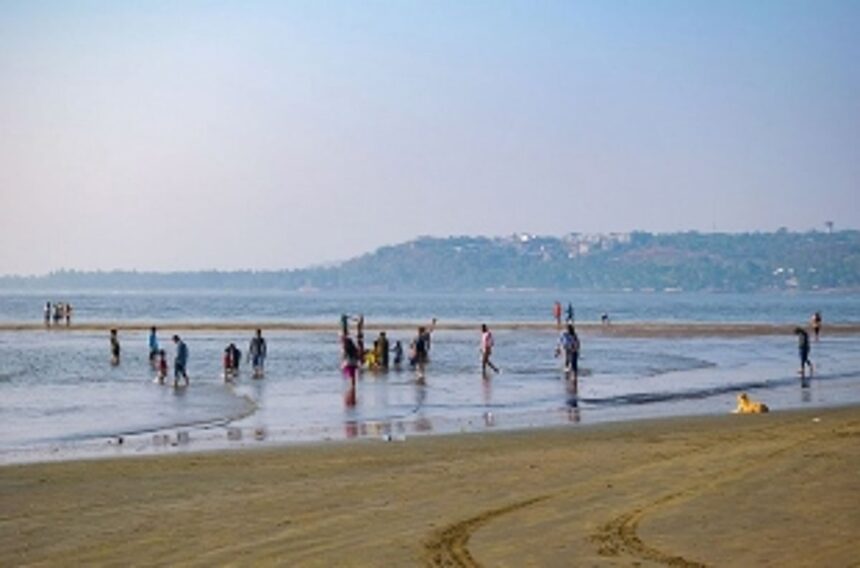
The State has to decide whether it has overly relied on charters for its foreign tourists and whether the time is ripe to make a change. After the Germans it was the British who put Goa on the tourism map, and it was Thomas Cook who rustled up the package for the Britishers who tanned themselves on the sands of Goa, as they sipped beer and dug into fish and chips far away from home. There’s probably not a single shack in Goa that does not offer that fish dripping in oil with chips on its menu. It’s because of the British tourist who made this dish a constant in every coastal restaurant they frequented.
The State is at a point when it either snaps out of the charter tourism mould or makes a conscious decision to rely on a tourism service that is being overtaken by an internet-driven society who plan their holidays from home, surfing for the best flights, best hotels and best deals that the charter operators may not offer. Tourism today is about experiences, and what Goa offers is still the beaches with bed and breakfast, and sometimes meals thrown in. The State still holds a lot of its charm, all of its heritage and its culture that first enticed the tourist to the land remains undiluted. It has to put all these into one irresistible package if tourism is to survive in the State. It has to give the tourists the experience that they will not forget, that they will relate to others and will make they want to visit Goa.
The State has to decide what it is going to offer the tourist that the rest of India does not. Is it going to be cheap liquor and casinos? Beaches are available elsewhere and these are being developed into tourist attractions. Kerala has been giving Goa stiff competition, and other States are already opening up, making it that much more difficult for Goa to survive. For decades, Goa has had a mono-tourism that relied entirely on its beaches. The industry never did evolve from there, though the State saw varied changes as development of infrastructure changed the picture postcard aspect of Goa. The unique heritage and culture that Goa boasts of was never given a boost. There are folk dances on the river cruise boats and in the hotels, but these are performed by persons who have learnt the steps under the tutelage of another who is not the original performer of the dance. This has a noticeable fake air to it and does not give the tourist the experience that he came for.
At the turn of the millenium, Goa was in the exclusive list of top ten destinations to ring in the New Year. The decline from there has been quick. The main obstacle to tourism turning into the preferred industry in Goa is still the lack of planning. Let’s not even get into the fact that the Tourism Master Plan is five years in the making. By the time it is released it will probably be outdated. Let’s look instead at one of the USPs of Goa Tourism that are the beach shacks. They won’t be there on the beaches at the start of the season, simply because the government defaulted in preparing the Coastal Zone Management Plan within the deadline. The State cannot allow such errors to affect that only major revenue earner that it has today.