After the closure of mining, tourism steadfastly took over the responsibility of being the backbone of the State’s economy. However, over the last nearly a decade there has been much debate, discussion and government dictates over the direction in which the tourism industry ought to move. But except for some cosmetic changes, the ground reality is far from the ‘Goa Tourism Master Plan (GTMP) 2016’ and the Goa Tourism Policy.
Consultant appointed, teams sent overseas to study the tourism models and then one fine day, a draft GTMP was put forth in front of the Goans to deliberate and shape a vision for the tourism sector. Though delayed for nearly four years, in 2018 the GTMP spoke of putting Goa on the pedestal of high-end tourism globally by 2023.
Heli-tourism, seaplanes, sky diving, Hop-on Hop-Off bus services and amphibious duck tours as regular features of Goa’s tourism have been in the offing for a long. None of them survived their seasonal life for even one full tourism season, let alone their futuristic shelf life to provide a boost to tourism activities in the State.
Behind the glittering curtains that the State intends to promote, are the sector’s unattended issues which have been pushed around from one minister to another in the last decade.
New infrastructure development and maintenance of the old has made it to headlines every year. Goa’s beaches still lack some of the basic amenities such as toilets and bathrooms, and changing rooms. Driving from the airport in any direction, North or South, garbage strewn on highways as well as village roads is a common sight.
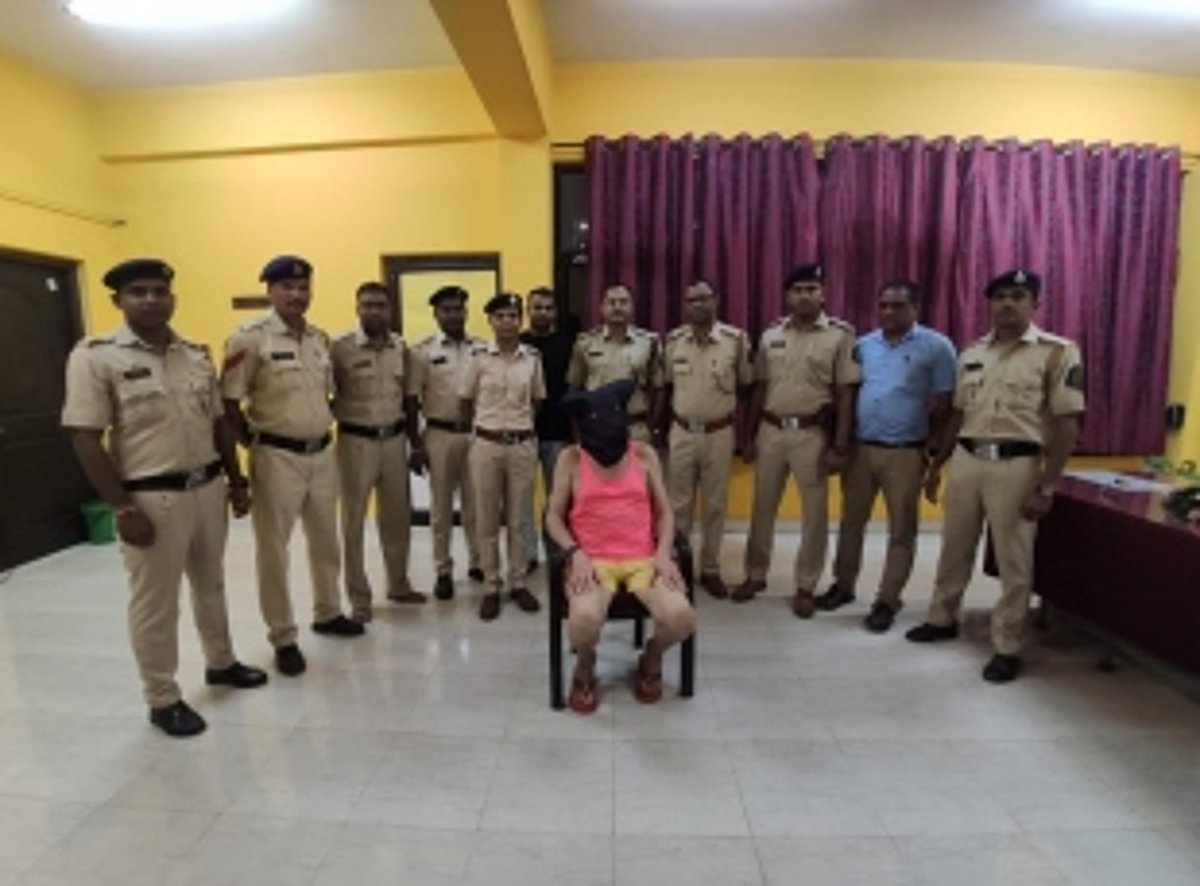
It is no secret that Goa’s image as a safe tourist destination has taken a beating in the recent past with increasing media attention for some of the serious crimes, including rapes and murder. Foreign media attention due to incidents of sexual assault against foreign tourists, the latest one being of a UK national in June this year at Arambol beach, does dent the State’s image.
On the other hand, the illegalities within the industry are a stumbling block for the State to ensure better performance of all the stakeholders. The Travel and Tourism Association of Goa (TTAG) has for a long time demanded a strong arm against the illegal rental spaces, which according to estimates turnout to be around 60%.
Promotion of hinterland tourism has remained a mere slogan over the years. The tourism policy has imbedded ‘tourism villages’ as a hallmark of presenting the unknown facets of the State to the visitors, however, even after two years of formally launching the policy, the identification process to earmark the ‘tourism villages’ has not commenced.
Recently, Poriem MLA Deviya Rane stated that Surla village will be promoted as the hill station of Goa. A few days ago, Herald highlighted the plight of the scenic village of Salgini in Sanguem which awaits efforts from the Tourism Department to promote its pristine beauty.
Going by the global standards, high-end tourists demand the experience of luxury in the laps of serenity, accompanied by indigenous and traditional experiences. Goa has both, a long list of traditional and deeply-rooted cultural ethos as well as the beauty of not just the sea and sand, but also picturesque hills and valleys.
Government has to step-up its efforts to provide the impetus for the tourism industry to flourish. While foreign investments in the sector are welcome and the Goa Investment Promotion Board can pave the way for a couple of golf courses, it is inevitable that the Government steps in to provide avenues and finances to local talent and enthusiasts in the post-pandemic situation for tourism start-ups.
Policy discourse and execution needs to progress hand-in-hand, else every new tourism activity will become a white elephant and policy documents will turn into shelf decor.
Goa needs a comprehensive tourism governance policy to enable coordinated effort from those in power to ensure not just infrastructure development but sustainable economic activities by the locals.