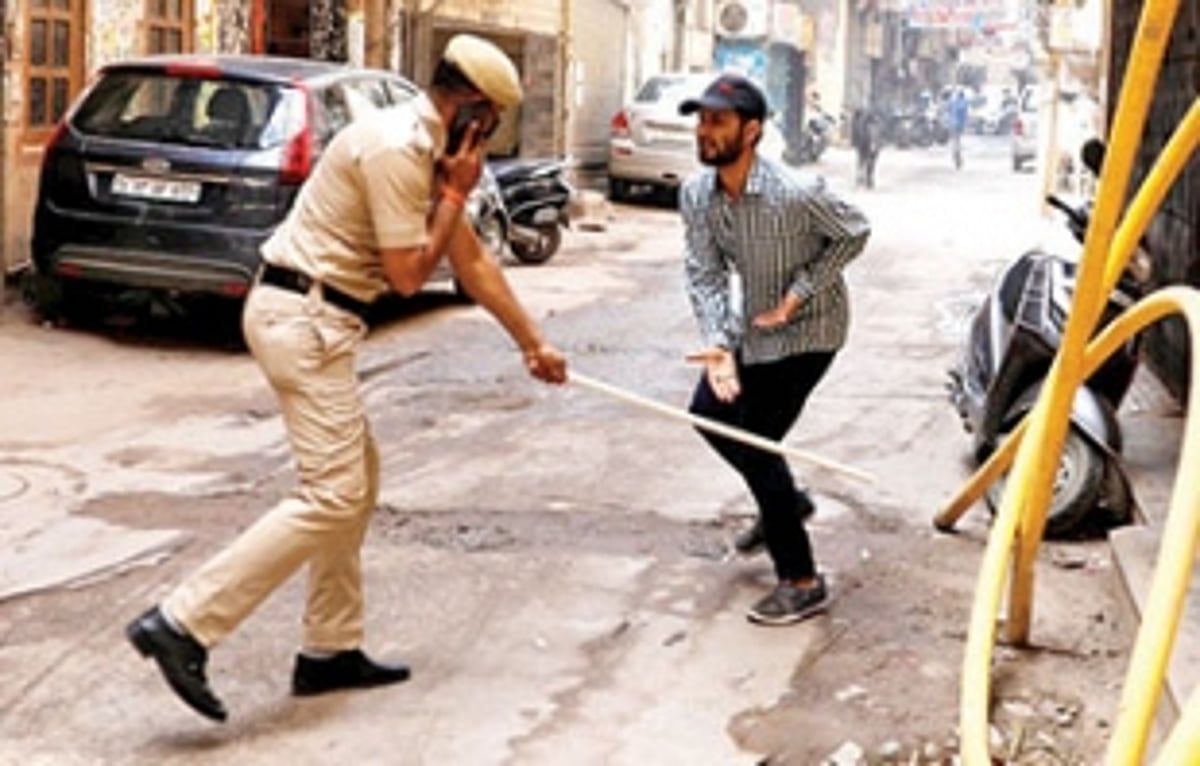
Is the imposition of a lockdown in Goa for three days – 80 hours in all as it starts on Thursday night and ends on Monday morning – an indication that the government believes that the COVID-19 pandemic situation in the State is not conducive to lead a normal life? Or is it just a precautionary measure, an attempt to break the chain of transmission by making people stay indoors, and get a respite from the escalating cases? Going by what Chief Minister Dr Pramod Sawant said while announcing the lockdown, this measure was required in view of the rising cases in the State and considering that people have been lax in following the guidelines.
The announcement did take the State unawares especially since the government had not appeared to be considering this. After repeated statements that there will be no lockdown and that such measures are not the answer to the spread of COVID-19, Sawant announced, after a cabinet meeting, that there will be a complete lockdown for three days and night curfew from 8pm to next day 6am starting that very day and lasting until August 10.
What made the government change its views and its mind on lockdowns? Just last week, the Chief Minister and the Health Minister had ruled out a lockdown in Goa. Stressing that the priority has to be on resuming economic activities, Sawant had said, “The lockdown was initially imposed to create awareness and educate people about coronavirus. That phase has passed now.” A day later Health Minister Vishwajit Rane had said, “Lockdown is not the answer to fight COVID-19 in Goa. Unless it is like Mangor Hill area which was declared containment zone, but in such cases what we can do it declare the area a containment zone and conduct mass testing. This is the way forward.” What changed? Has the phase of creating awareness returned?
Cases of COVID-19 have been rising, and on July 14 Goa had it’s a single-day spike of 170 positive cases, that came on the same day that India posted over 29,000 new cases. A day later Goa had another 198 positive cases. After taking three months to reach from zero to 1000 cases, Goa went from 1000 to 2000 and 12 days and could reach 3000 in eight days if the current trend continues for another two days. Was it this quick increase that led to the imposition of the lockdown? The rise, however, is the trend that has been witnessed in the spread of COVID-19 across the world, so it was to be expected. What this indicates is that the State government was not prepared for the swift increase in cases, and has decided to fall back on the option it knows best to beat the spread – lockdown.
In view of India’s Lockdown 1 that lasted 21 days and did not produce the desired result, how much of a break in the contamination chain will a three-day lockdown in Goa achieve? Hard to say at this point, but a few other States in the country have announced similar lockdowns, but of longer periods, and therein lies the fear that Goa may see an extension of the closure measures. This has led to queues of shoppers outside supermarkets and at bazaars on Wednesday evening.
While Goa had managed to keep the virus at bay until mid-May, cases began to surface immediately after travellers were allowed to enter the State and they have not stopped rising. The lockdown will perhaps slow the spread, the government is hoping it will flatten the curve, but the battle against the novel coronavirus will not be won with mere lockdowns and threats of jail to violators of the guidelines. It requires a precise plan from the government, and not hasty reactions, like the lockdown appears to be.