What is becoming clear is that the country was not prepared for a sudden lockdown. However, the shutdown was the best available option before the government to break the spread of the virus. One only has to look at Italy and then the United States of America to see what devastation the virus has caused and this was only because the countries reacted late to imposing social distancing norms and shutdowns. But, unlike these countries, India took the lockdown step early in the outbreak, and hence could manage to curtail the multiplication of the virus across the country.
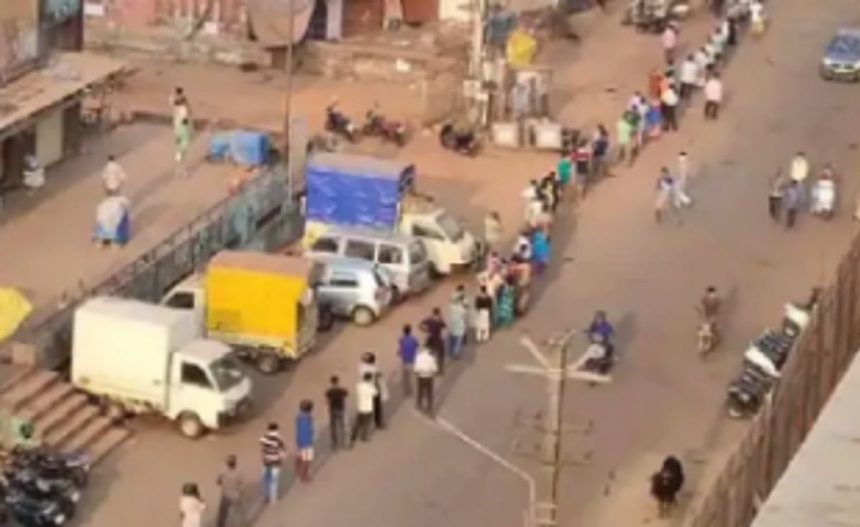
But one only has to look at various situations across the country to see how people are suffering. If in Goa, it is the breakdown in essential food supplies that are creating issues for the government, other States have other matters to deal with. Take for instance the masses of migrant workers who set off from their work places to their villages and the manner in which they were dealt with by the authorities. This is a humanitarian crisis, and the multitude of migrant workers who began making their way home on foot must be treated humanely. Yes, we are living in the fear of COVID-19 spreading across the country, and so even State borders have been shut down, but the plight of the thousands of migrant labourers who are walking hundreds of kilometres to the security of their villages cannot be ignored.
The pictures and videos of these men, women and children – entire families – have moved people and sent human rights proponents to question the manner in which they were being treated, especially the video clippings of group of some of the migrants being sprayed at various places. The ground reality is simple – the migrant population that is heading home has rights and they have to be respected by the rest of the people and the authorities. The international media has even gone on to describe this as the largest exodus since partition. This is a call for the rest of the country to ensure that the migrant workers in their States are given all the help possible. Goa has opened camps for them.
In the midst of this crisis, India saw its highest spike in cases in a 24-hour period with 227 COVID-19 positive cases reported on Monday. It has led to a fear that the pandemic may now spread faster. Worse, the Delhi mosque gathering of mid-March has now become the focal point of the COVID-19 crisis in the country as almost 2,000 people were in the mosque who have now dispersed across the country and some of them have tested positive for COVID-19 and others are showing symptoms. This could turn out to be the biggest nightmare for the authorities to keep tabs on. There were also foreign nationals at the gathering who have returned to the countries. How did this gathering take place in the midst of the COVID-19 pandemic?
The latest problem that the authorities now have to tackle – and this is across India – is to identify all those who were present at this religious meeting in Delhi and quarantine them. Since there have been deaths among those who were at this meet, the importance of seeking out the others who are in the risk group cannot be underestimated. All those who attended that meeting are at risk, and it should be each one’s responsibility to immediately get themselves screened and quarantined. The longer they remain outside of quarantine, the chance of them infecting others grows. They have to voluntarily come forward for isolation.