However, on July 22 he had said that the government has not yet started this, fearing that neighbours will raise concerns and the opposition will get another issue to create an unwarranted controversy. The next day the standard operating procedure for home isolation was issued.
With a large number of people showing no symptoms and yet testing positive for COVID-19, the Union Health Ministry has revised home isolation guidelines to include asymptomatic positive patients in the list of mild or pre-symptomatic coronavirus infection cases. However, immuno compromised patients (included HIV, transplant recipients, cancer therapy) are not eligible for home isolation. The guidelines state that patients aged above 60 years and those with co-morbid conditions such as hypertension, diabetes, heart disease, chronic lung/liver/ kidney disease and cerebro-vascular disease among others, shall only be allowed home isolation after proper evaluation by the treating medical officer. Patients under home isolation will stand discharged after 10 days of onset of symptoms and no fever for three days, the guidelines stated. Thereafter, the patient will be advised to isolate at home and self-monitor their health for a further seven days. There is no need for testing after the home isolation period is over.
Goa with 4000-odd confirmed cases (1600-plus active) is finding it tough to arrange facilities of COVID care centres and as such it wouldn’t be a bad idea to allow home isolation of asymptomatic patients. As projected by experts, almost every third person in Goa will contract with infection and it would be impossible for the government to provide hospital beds to all. However, in Goa a large number of people have co-morbid conditions like diabetes and cancer, besides kidney problems, as seen in the rising number of deaths. Hence these people need to be compulsorily hospitalised.
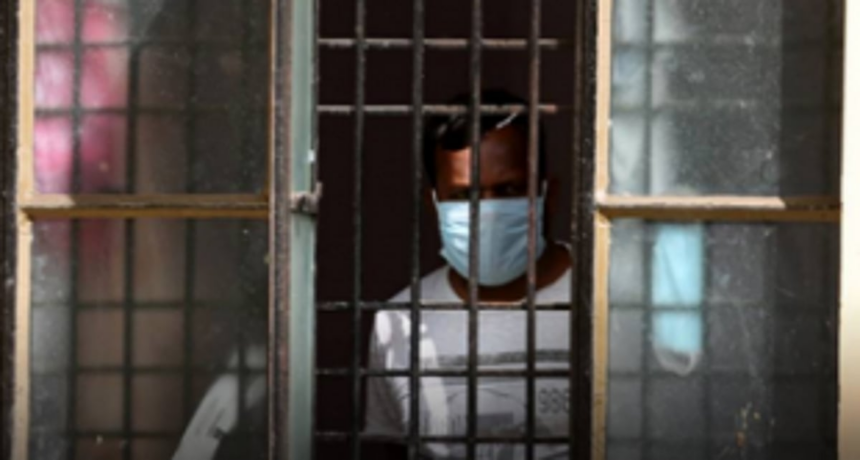
Another issue that crops up now that the government has decided to grant permission for home isolation, is that it will not work for people living in thickly-populated areas or slums that do not have separate toilets or rooms and other facilities. Home quarantine is envisaged as several pictures are out on social media of poor facilities in government COVID care centres and if someone wishes it could be a good idea to isolate an asymptomatic person at his own house, wherein he has better facilities. As spelt out in the SOP, it would be good for Health officials or administration officials to inquire about facilities at home before granting permission for home isolation.
However, there are several questions, including who would take care of asymptomatic patients? Can family members serve them food? Will family members also be home quarantined? What about essential supplies to the house? Who will monitor that the person or family member does not move out? Also, the question arises of whether society will accept the home isolation of asymptomatic patients considering they are unwilling to even accept the dead, who as per ICMR do not spread the virus?
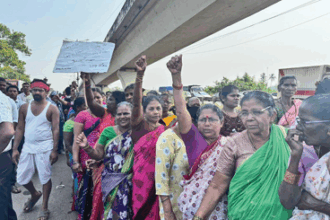
Now that the government has released the SOP, it must reveal how it intends to educate the people or convince them on home quarantine. There may be opposition, especially since there have already been cases of stigmatisation of persons who have tested positive, and even on persons who come from areas that have seen a spike of cases. Reaching out to neighbourhoods is very important, and the opposition has to play a constructive role in this.