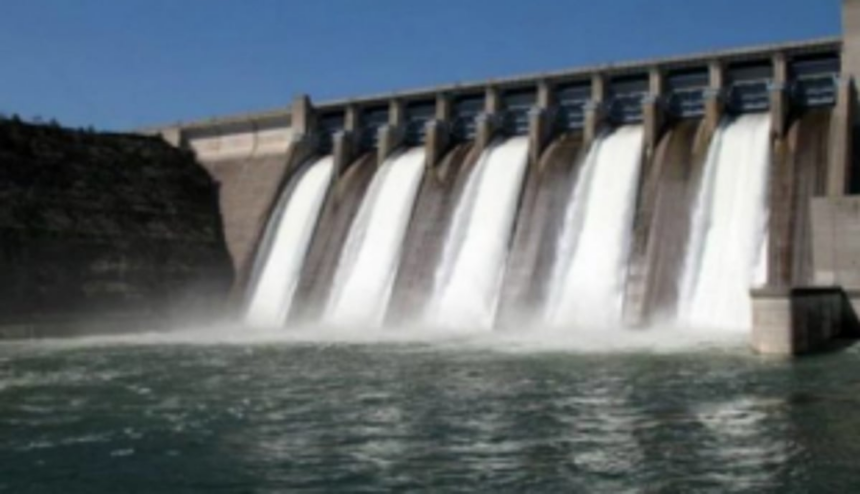
The initiative sounds feasible, and given the current dependence on fossil fuel for power generation, it is even welcome. The proposal, however, is in its early days and a consultant is yet to be appointed, but the Water Resources Department that is looking at it under the public-private partnership model has in its plan a global tender and a launch date of 2023. The bare proposal visualises a public-private partnership where rights on water and infrastructure remain with the State and will not go to the private partner.
This, however, isn’t the first time that the State has considered the possibility of hydropower generation and in 2006 had even invited bids for the development of 11 small hydropower projects in the State, for which, with the help of the National Hydroelectric Power Corporation, sites had been identified on the Mhadei River basin, with a combined potential of 58 MW. Interestingly, in 2006 Goa’s hydropower initiative had reached an advanced stage with about 20 consultants responding to the expression of interest. Yet, the project went no further than that. What is occurring now is a revival of that proposal, primarily because the State’s power requirement is growing and it needs to generate its own power.
Goa is currently entirely dependent on power generated outside the State to meet its constantly growing demands. It meets its estimated power requirements of 949MW from the southern and western grids and the development plans will see this demand grow in the coming years. It has no power plants of its own and has only some minimal power generated privately via solar installations. Solar power generation has not caught on in a big way in Goa and government efforts to make a major breakthrough by installing solar power plants on rooftops of government buildings is yet to materialise. The proposals floated in the past to establish hydro electricity projects across River Mhadei have failed to take shape. The current proposal, though it has a 2023 deadline, therefore provide little guarantee that it will actually take off.
Though hydropower is known to be a clean and renewable energy source as no fossil fuels are burnt in its generation, it could have other environmental impacts which need to be fully studied before a final decision is taken. Since it involves blocking and storing water, there could be an impact on the flora and fauna of the region and the land use in the river basin could change, but technology has improved vastly making it a much cleaner source of power, and hence it is desirable over power generated by burning fossil fuels. Most of the environmental impacts can be mitigated with proper planning of the land use in the basin.
For Goa this could be the best answer to clean power generation in the State to meet the growing electricity demands. It has to be taken forward with seriousness and should not falter as the proposal had in 2006. It took the government 15 years from that date to wake up to the possibility of hydropower as an alternative. That the State Water Policy 2021 also promotes such plants in the Mandovi River basin, which has a well-identified potential for hydropower generation is an added advantage. But this far it is all plans on the drawing board, they have to be put into action, failing which it could well be another fiasco like in 2006. That, we remain optimistic, will not happen.