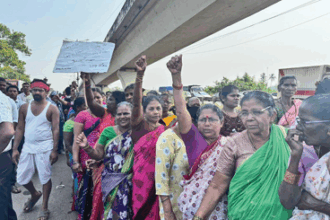
While it is a victory for the villagers of Mollem, who had challenged the issue of the permission in the court, the decision more importantly exposes the system in local governing bodies, where often unilateral decisions are taken by those in power without following the proper procedure. This is exactly what occurred in this case, and why the court ruled in favour of the villagers.
The construction licence was quashed, not because of the environmental concerns that have been raised by the protestors regarding the project or because of the thousands of forest trees that will be cut to clear land for it. The construction licence was quashed because the permission was granted by the sarpanch of the village without there being any resolution passed by the panchayat body supporting the issue of such permission. The High Court has, however, given the village panchayat a way out by asking it to reconsider the project, if the firm makes a fresh application, but by following the due process.
In the assumption that the firm will apply again will the panchayat body, this time, sit and deliberate on the application before deciding on whether it should or it should not grant permission for the project? Of course, the panchayat will ensure that it now follows the process in its entirety. But, it needs to look at the proposal in a different light, given the scale of the project and the opposition it has drawn. For starters the panchayat has to seek the views of the people of the village before coming to a decision? One can’t ignore the fact that this challenge in the High Court was filed by the villagers, so there exists at least a section of the local residents who may not be in favour of the power project in the jurisdiction of their village. They should be heard by the panchayat.
The project, which comprises the construction of a sub-station with a 220 KV double circuit line of 21 km, laying of a 400 KV double circuit line of 54 km spread across Goa, is being opposed mainly because of the destruction of forest land involved, so the sarpanch’s act of bypassing standard procedure to issue the construction licence provides an entirely new twist to the issue. What needs to be determined is what made the sarpanch or the panchayat take this unusual step? Or, is it a usual step that has been exposed as this project has drawn attention and affects a number of people in the village? There are many unanswered questions, that perhaps time will provide a response to.
The theory of stakeholder participation in local self governments has remained just that in this instance despite there being a movement across the State to put it into practice. This case is a clear example of how ineffective has been the implementation of the consultation process at the grassroots in the State. Here the sarpanch took a unilateral decision and granted the construction licence for such a major project. Apparently the sarpanch did not find the need to consult the other members of the panchayat body before doing so. Besides, after learning of the licence being issued, didn’t the other elected panchas not object to it? It required the villagers to come and challenge the licence in the high court to get redressal. How many other such examples will there be across Goa?