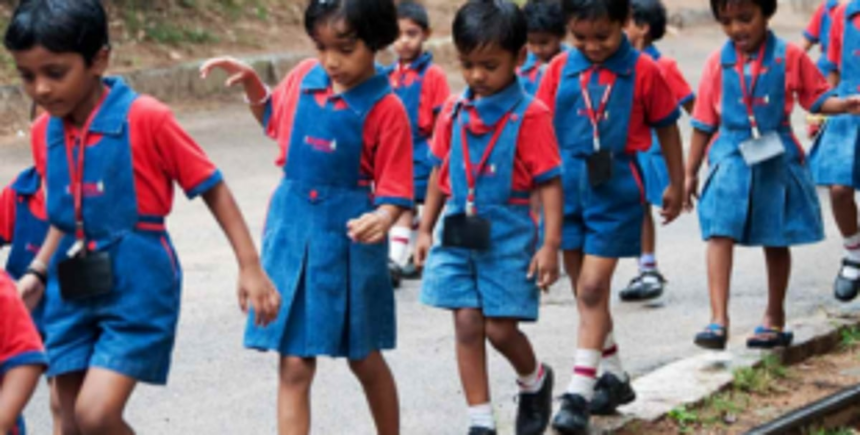
In the festive air of Diwali, Children’s Day, November 14, passed off almost unnoticed. It was not just the festival, but schools too are shut since March this year, so Children’s Day was a quiet affair. But, now that the firecrackers have been lit, and the sweetmeats consumed, can we pause for a moment this Sunday and consider the Goa that we will be leaving behind for the future generations that will come? We cannot forget that we inherited a green Goa from our ancestors and that we have a duty to bequeath to the children of today and those who will come after them a Goa that they can proudly claim as a legacy. Are we doing this? Or are we on a course that is going to lead to the systematic destruction of our green cover?
These questions arise as there are plans to fell thousands of trees for the three linear projects that cut through swathes of the Mollem forest. There is opposition to the three projects, but there are also the proponents of the projects, mainly those on the side of the government. There are always various sides to an issue and while it may be argued that the projects are meant for the development of Goa, can we be told what sort of development is being planned for the future? Very clearly, the projects that are on the anvil must benefit not just the people of today, but those who will come after us. We cannot be blind to the future and merely want to live off the land for today. Goa has to be spared the rampant destruction so that those who come after us will enjoy the same Goa that we have. This cannot be forgotten for even a moment as development projects are planned in the State.
There is one very important factor that escapes the notice of the planners in New Delhi. Goa cannot be compared to other States of the country, neither in size, nor in population. Goa is a small State, smaller than many districts of other States, and with a population far less than that of the capital cities of many other States. It has this unique quality that sets it apart from the other States and this has to be impressed upon the Centre when it plans projects through or in Goa. It has to be treated differently. Unlike other States of the country, Goa does not have those vast land reserves that can be converted into industrial areas or used for other massive projects that require huge amounts of land or will have to clear forests. The rural habitation areas are not separated by tracts of unoccupied land. Most villages are almost contiguous residential areas and when there is a railway double tracking plan in such areas, there will be opposition.
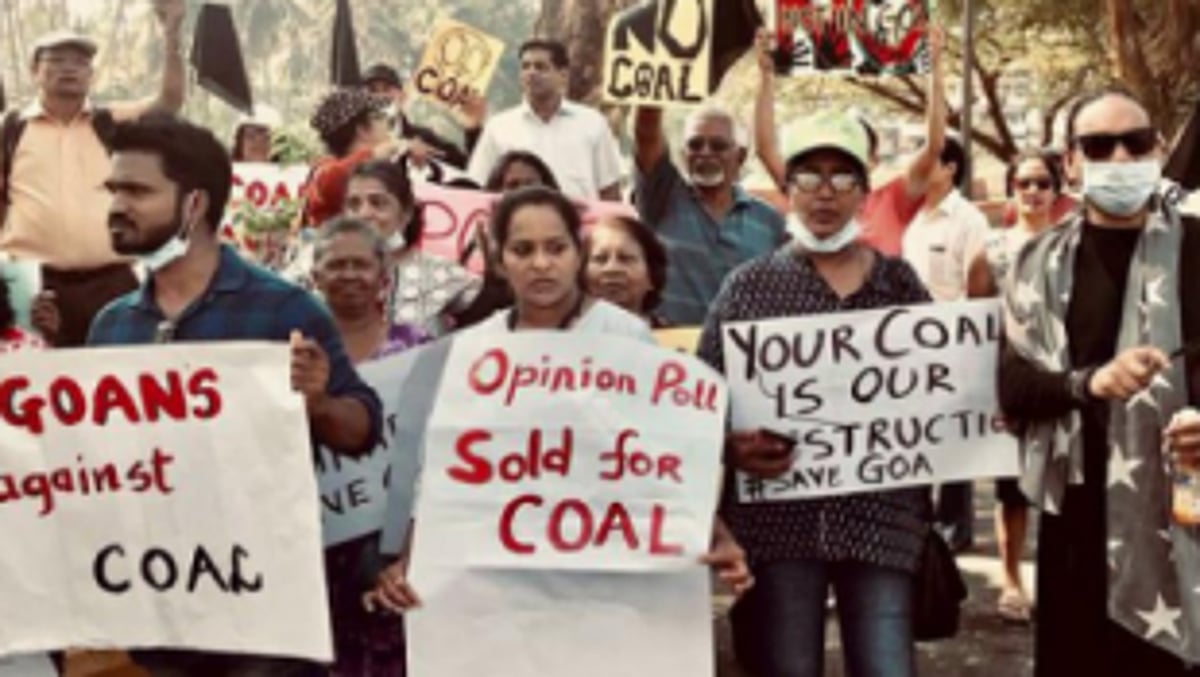
As they move around the towns and villages of Goa, holding awareness meetings on the coal transportation, railway double tracking, power substation and highway expansion projects, the leadership of the Goencho Ekvott and Goencho Avaaz impress upon the people that the fight is not for them but for their children, those who will come tomorrow and ask their parents, what they did when Goa was being destroyed. How many have realised that if Goa requires to be preserved for tomorrow, the work has to start today? If they haven’t, then the time to come to this realisation is now, and so too the time to act on this understanding. Those who will inhabit Goa tomorrow will be the children of those living on the land today. What are we gifting them?