Infrastructure projects undertaken by government agencies remaining incomplete in Goa is not a new phenomenon. Across the State there will be found a number of foundation stones that have been laid over the years and the projects either half complete or some even yet to be started. At a review meeting of the Goa State Infrastructure Development Corporation (GSIDC), which was chaired by Chief Minister Manohar Parrikar, it came to light that there are over 80 projects undertaken by the corporation whose completion has been delayed. This led to the Chief Minister giving the Corporation fresh deadlines for the completion of these projects, with directions that the new timeframe for completion be met.
All infrastructure projects that government authorities undertake are meant for use of the people and for public service, so their completion within the deadline is important, as delays not only lead to cost overruns, which come from taxes paid by the people, but these also deny the people the benefit of the project. Some of the projects of the GSIDC that have remained incomplete were started about two years ago, and include renovations of schools and construction of cottage hospitals. But it is not just GSIDC projects that have seen delays, but projects that have been taken up by various other government agencies too.
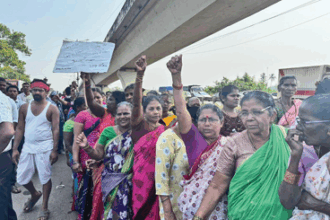
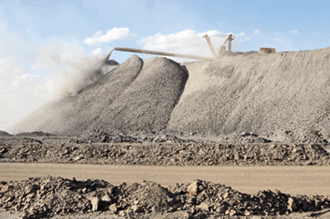
One project that has been delayed way too long is the dedicated mining corridor project, which aims to construct new roads that will be used for the transportation of iron ore from the mining sites to the jetties, avoiding passing through habitations, as the transport of ore has led to dust pollution in villages, leading to protests from the affected villagers. This project was first mooted in 2011, when Digambar Kamat was the Chief Minister, but a tepid response from the mining companies that showed no interest in meeting the financing of the roads, and the subsequent ban on mining operations that came the following year kept the mining corridor on the back burner.
Though mining operations have now restarted, the corridor project has not yet been taken up. GSIDC has now decided to construct the corridor and expects to tender the first phase sometime next month, and complete all three phases within three years. Ironically, in January 2013, GSIDC had scrapped the contract of the first phase of the mining corridor and decided to hold back the proposal till resumption of mining activities. If it is possible to complete the corridor in 36 months, and had there been some future planning involved when mining operations were given the green signal, the corridor could well have been complete by this time and ready for the fresh season that is about ten days from being flagged off.
Future planning and forward thinking are two aspects that the government, any dispensation for that matter, has to take seriously. The vision for what will be required in the future and its planning is as important as planning for today. The lack of planning by past governments is visible in the quotidian life as Goa has had a dearth of visionary politicians, a reason why the roads and bridges in the State do not meet the requirements of the growing traffic and vehicle population.
GSIDC has been given fresh deadlines to complete its projects, but it is not the only agency that needs to be given deadlines. All government departments that deal with the people, and not just those involved in infrastructure creation, have to be put on notice for unnecessary delays. Good governance has to be a fine balance between vision, planning, executing and meeting the deadlines. That will make a difference in the daily life of the citizen.