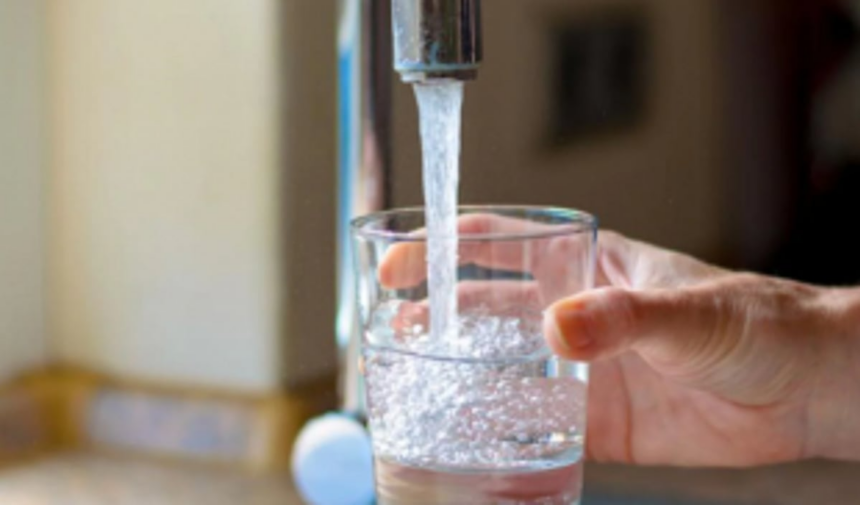
Goa is currently debating the discovery of micro plastics in the potable water supplied by the State to all households in the State. As per a study by a Delhi-based advocacy group, micro plastic particles were found in all water samples collected from residential areas of Margao, Panjim, Mapusa, Marcela and Canacona and tested by the National Institute of Oceanography. As per the study, the size of micro plastics ranged from 20 μm to 1000 μm, micro plastics smaller than 100 μm were dominant, and fibre was the most dominant in tap water and treatment plant samples.
The debate is this: a member of the study team, admitting that the impact of micro plastic on human health is still being conducted, said it raises serious concern about micro plastic exposure for citizens and its larger impact on health as once ingested, there is the potential for exposure to chemical contaminants absorbed to the micro plastics and any other additives in micro plastics. The team member said the chemicals are bound to have adverse impacts on human health. PWD officials had a meeting with the lead researcher on the study, Dr Mahua Saha of the National Institute of Oceanography (NIO), who also issued a statement thereafter. Ironically, the same team member clarified that the study only shows the presence of micro plastics in tap water and that the results never state the tap water is unsafe and unfit for drinking.
The Public Works Department clarification diverted the debate, stressing on how safe is the water that is supplied. It did not deny or dispute the presence of micro plastics in the water, but went on to quote a World Health Organisation report on the matter. As per the department’s explanation, the WHO report of 2019 indicated that micro plastics are ubiquitous in the environment and have been detected in marine water, wastewater, fresh water, food, air and drinking water. It further said that WHO states that chemicals and microbial pathogens associated with micro plastics in drinking water pose a low concern for human health and that there are no studies on the impact of ingested micro plastics on human health.
As per the explanation of the Public Works Department, water is supplied to the consumers only after all tests on quality as per prevailing rules are conducted and detailed analysis for physical, chemical and bacteriological analysis is carried daily at the water testing laboratories. The explanation of the department should not stop any further research on the presence of micro plastics in the tap water supplied. The study should spur the Public Works Department to undertake more research on the issue as was also suggested by the research team, and also because the study found more micro plastics in tap water samples compared to the water directly from the treatment plants, indicating that the treated water could be gathering micro plastics as it travels from the plant to the tap.
The reason why the ban on single-use plastic assumes importance in the light of this research study is that littering could possibly be the main reason for the presence of micro plastics as Goa sources its water from the rivers where waste plastic abounds. If single-use plastic is banned, if plastic littering is stopped, the possibility of micro plastics finding their way into the environment and the water decreases. The necessity of banning plastic is not just for environmental reasons, that people most often ignore, but also for reasons of health. If awareness of this is created, there may be more people willing to discard single-use plastic from daily use. The reluctance that exists now could be dispelled by this study of the presence of micro plastics in water.
Micro plastics are new major concern
The State’s decision on phasing out the use of disposable plastics could not have come at a better time.