There are State Assembly elections in some crucial States early next year and that must have been one of the considerations of Prime Minister Narendra Modi as he expanded his council of ministers and reshuffled portfolios. Uttar Pradesh, the most crucial of State’s that will be electing a new government in the coming months, is now represented by 13 ministers in the Modi ministry, and that – the regional composition of the council of ministers – was what everybody was looking at. With the induction of 19 new ministers, after having dropped five, the Narendra Modi council of ministers stands at 79.
There were no major surprises, neither in the ministers dropped nor in those inducted. The surprise came late Tuesday evening, when the portfolio allotment was announced.
The biggest gainer of the reshuffle in the Union cabinet is Prakash Javdekar, who from minister of State handling the Ministry of Environment and Forests has been promoted to the cabinet and been allocated the key portfolio of Human Resources Development (HRD). The biggest loser in the cabinet reshuffle is the minister he replaces as HRD minister, Smriti Irani who has been divested of the portfolio and been given Textiles, a position that is being considered a demotion from HRD that she handled for just over two years. Textiles, however, is one area that Modi has chosen to focus on primarily due to its employment generation potential and its importance in his home State of Gujarat.
Javadekar, who was yet to take charge of his new ministry and will have to preside over the implementation of the new Education Policy, has already announced his goals – to revolutinise education in the country, improve its quality and make it more meaningful. The education system in the country does need a revolution. He has also made a rather significant statement that education is not a subject of party politics. This assertion assumes significance given that the Bharatiya Janata Party in the past has been accused of dabbling with attempts to saffronise education in the country through changes in the syllabus.
If the allocation of portfolios to Javadekar and Irani was the most unexpected of changes, but there have been others. Finance Minister Arun Jaitley has been divested of Information and Broadcasting, Jayant Sinha has been given the Civil Aviation portfolio, Sadanand Gowda has had the Law ministry taken away, new ministers of State SS Ahluwalia and M J Akbar have been given Parliamentary Affairs among other portfolios and external affairs respectively.
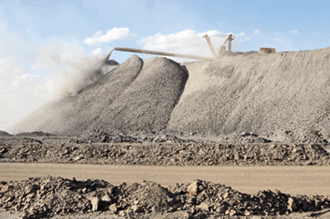
Where Goan mining is concerned, as the industry limps back to normalcy or a semblance of it, there comes a new minister handling the portfolio at the Centre. Narendra Singh Tomar has been replaced by Piyush Goyal, who also retains the Power and Coal ministries. Goyal, with three major ministries, will have a lot on his hands. He has been one of those ministers who has made positive changes in the ministries allocated to him. There will be hope in Goa that his positive moves and measures will encourage the mining industry in the State.
Modi has also sent a subtle message to his minister – it is time to perform. Ministers who have shown their abilities have been rewarded and those that have not performed up to the expected standard have been either dropped or divested of key portfolios. This government has been in power for over two years and it is almost midway through the term of the Lok Sabha. The Modi government has less than three years before the country goes to the polls. The acche din that were promised on the day the elections results were declared have neither come nor are they visible on the horizon. Modi will want to change that. This reshuffle is not just about regional politics but also about performance.