Vasco-da-Gama with its historical importance and strategic location was known across by domestic as well as international travellers by virtue of the sea port, a major railway station and the airport.
Technically the tag of being the port town still remains, however, the commissioning of Madgaon Junction in 1998 as part of the Konkan Railways meant lesser number of travellers alight at Vasco railway station.
Nevertheless, until June 2004, Vasco-da-Gama would witness a huge influx of domestic tourists, mostly males, jam packed in mini vans and restaurants, lodgings, hotels, etc, had a good business going but after the demolition of the red light district of Goa, Baina beach, the pace of Vasco’s economy slowed down. While, it was an achievement in many ways, however, those who depended on the red light area for their businesses were shattered with many shutting shop for good.
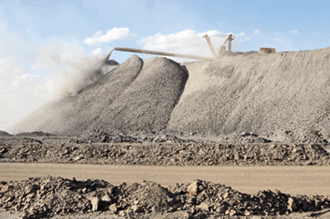
Couple of years later, boom in mining activities and its exports from the Mormugao Port once again provided a new dawn and hope for the small and medium-sized businesses. Many youth in their early 20s saw a golden opportunity as fly-by-night traders and exporters arrived and wanted a share of soil and willing to pay the extra buck. It led to many youngsters turning into millionaires within years and money began rolling in Mormugao’s economy.
This too was short-lived and a grinding halt to mining activities in the State, this time, brought the port town to its knees with many flourished and flourishing business houses pulling down their shutters.
In the last decade, many of the youth, who had dropped out of education, especially higher education, turned to transport either driving their own vehicle or running a taxi business, but their focus shifted to the flourishing Goa International Airport at Dabolim.
However, the recent developments, especially the signals sent out by none less than the Transport Minister Mauvin Godinho has led to palpitations in many homes in Mormugao over the fear of losing their livelihood.
The order from the Airports Economic Regulatory Authority (AERA) of India in August this year while granting its approval to the ad hoc tariff for aeronautical services at the Goa International Airport, Mopa, indicated that closure of Dabolim airport was inevitable. And days later, a letter dated May 1, 2000, addressed to the then chief secretary of Goa surfaced and went viral on the Internet. The letter was written to communicate the Cabinet decision of the Government of India to set up Mopa airport and closure of the existing civilian airport on commissioning of the new airport.
Both the documents have cemented the fears of the taxi owners and drivers, and their families, despite Chief Minister Pramod Sawant trying to allay their fears by assuring that domestic air traffic will continue at the Dabolim airport.
It would be naive of the taxi businesses if they did not read the writing on the wall, when on one hand the Mopa airport was given all clearances and on the other hand a civilian airport has been proposed within the jurisdiction of the naval area at Karwar. The closure of Dabolim has only been protracted in order to buy time and buy the forces that become a reason for migraine for the government.
The present dispensation, the ‘double engine’ governments have failed to provide alternatives to small and medium scale enterprising Goans during the last decade, even as they promoted ‘Make in India’, ‘Startup India’, ‘Stand-Up India’, ‘Swayampurna Goa’, etc.
In 2012, Manohar Parrikar in Goa, and in 2014, Narendra Modi at the Centre, rose to power on the plank of change, development and progress of all. The ‘Sab ka Saath, Sab ka Vikas’ has over the years remained a slogan, with the middle class of the State hurting as the economic opportunities shrinking in front of privatisation of sectors.