The last two are very important sectors to prioritise as the positive changes in them have been negligible over tha past years. Just a couple of hours before presenting the Budget, the Chief Minister in reply to a question in the Assembly had said that the area under agriculture had come down by 12,600 hectares in the past five years. That obvioulsy makes this sector a priority, as is job creation, where three days earlier the Chief Minister had said that the government can absorb at the most another 10,000 employees, and that the rest will have to seek employment in the private sector. For that, single window clearance has been promised to industry, and the Goa Start Up Policy 2017 that has been already notified and implemented, will now be revised to scale up and bring in new companies.
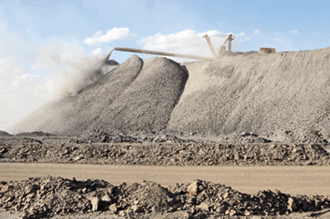
Yet, as he placed his maiden Budget papers on the floor of the House and took his seat after a 50-minute speech, the first question put to the chief minister was what steps the government has taken to restart mining operations in the State. No doubt that mining operations will mitigate the unemployment situation to a great extent, as thousands will go back to the ore pits and to the ancilliary jobs, but as the State and the MLAs focus on the resumption of mining operations, the precarious financial position of the State is glossed over. Sawant has presented a surplus budget, the rather obvious question should have been from where will the money come to meet the expenditure.
The financial crunch is showing quite obviously. Goa is already in debt and is selling government bonds to meet development project payments. This financial year is just over three months old and bonds worth Rs 400 crore have already been sold. The salary and wages bill is enormous, the outgoings are increasing, but the revenue areas are sparse with no new sources being created to meet the shortfall in earnings. Instead the money being spent is increasing, and though the Centre is meeting part of the infrastructure expenses, the burden on the State exchequer is weighing down the treasury and keeping the State accounts in the red.
Granted, there was not much for Sawant and his team to do, as this Budget is merely an improvement on the one that had been tabled in January 2019 by the then Chief Minister Manohar Parrikar, but Sawant has added his touch, painting some light strokes over the canvas that had been prepared by his predecessor. It is not the Budget he has to worry about, but the work ahead for it is by what is accomplished that Sawant and his government will be judged. He has 27 MLAs and one Independent supporting him who is a minister, besides the support of another Independent and the MGP that has not withdrawn its support, which gives him a two-third majority, and by virtue of this the ability to take strong decisions. Will this Budget be the vehicle that takes his government forward?
The government has to prove that the majority engineered through defections is for the benefit of the people. The announcements in the Budget are many, the roadmap to meet these requires to be drawn at the earliest so that the goalpost is not shifted due to the inability to meet deliver. There are many assurances of projects to be completed by 2020 and the spend on development is going to be major. To meet these, governance will have to be upped several notches. The months ahead are going to be crucial for the government and the State.