The villagers of Velsao-Pale-Issorcim have been left stunned at the manner in which the State authorities and the Goa Police in particular have sided with the Rail Vikas Nigam Limited (RVNL), ensuring that the locals do not by any means bring the double tracking work to a halt. The RVNL has been accused of carrying out the double-tracking work for the South Western Railways by encroaching into private lands.
Amongst other allegations of disturbing the ecosystem of the villages including the natural and stormwater drains, the RVNL has been accused of damaging heritage sites, including the centuries-old St Lawrence Chapel and some of the age-old houses dating back to the Kadamba Dynasty. The Railways have been accused of encroaching on private lands and digging up trenches only to fill them up with concrete and construct retaining walls that will support the elevations of the land by up to 2.5 meters above the existing level, where the tracks will be laid.
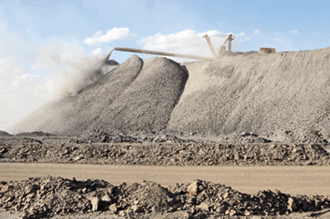
However, the biggest threat that the locals face is the lack of support from the State government over the issue. The Goa government has backed the Railways in the project which is proposed to enhance the carrying capacity of freight traffic out of the Mormugao Port. Locals are worried that the enhanced freight traffic will lead to higher levels of coal pollution, which the locals have been bearing for since long, even as Chief Minister Pramod Sawant had promised to reduce it to 50 per cent, after he was elected for a second term.
The fight against coal had seen a massive turnout of people during the midnight protest at Chandor on November 1, 2020, which had compelled the railway authorities to back out from carrying out the work despite being granted permission.
Against the allegation of encroachment, the government has failed to convince the villagers that the land belongs to the Railways, a claim which has been repeated to shun any protest. However, despite scheduling inspections, the Mormugao Deputy Collector has remained absent, which has further infuriated the locals who have claimed that they have the documents to prove their ownership, besides alleging that neither the Railways nor the government has any documents to prove otherwise.
More than two years ago, on January 6, 2021, the village of Shel-Melauli in Sattari taluka erupted into chaos with the locals protesting against the now withdrawn proposal to set up the IIT Goa campus. They hurled stones and the police responded with a lathi charge. Eventually, the government was forced to withdraw the project.
However, in the case of double tracking, the government has not just turned a mute spectator to the protests but now has turned into a collaborator in the alleged land grabbing and encroachment by the Railways. Given this scenario, the villagers are being forced to seek justice from the judiciary.
The judicial process continues to ponder upon the project’s viability and the Railways’ entitlement to carry out expansion works across the country superseding all the rules, as claimed by the counsels representing the State in the High Court. But, in the meantime, the work continues, which is beyond comprehension for any sane person, when otherwise an immediate halt of any work is witnessed when parties have been accused of encroachment.
In the current situation, the judicial process has become the punishment for the villagers who dared to oppose the mighty governments at the Centre and the State, and the government agencies who are carrying out the expansion work for the welfare of the corporates.
From the situation that arises, it seems that just like the railway tracks, the locals’ demands and the political will, will never meet at any point.