By mercilessly beating up a lawyer for questioning and defending the rights of his client, the police brutality against the citizens of the State has once again been exposed.
A glance at the recent headlines on brutal attacks will highlight the fact that using force on those seeking help has become a casual affair for the Goa Police.
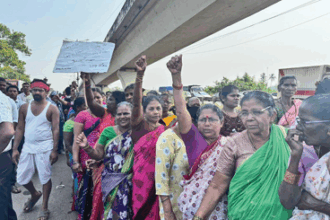
Amongst the most prominent cases, people will recall the assault on farmers’ representative Hanumant Parab by Valpoi police within the premises of the Valpoi police station in March this year. Parab along with other farmers had been protesting against the alleged illegal iron ore dump transportation at Pissurlem by a mining company and damaging their fields.
A Police Inspector (PI) rank officer was accused of assaulting Parab inside the police station and he is yet to receive justice.
Later, in July, a 25-year-old youth, Siddhant Raul, was brutally assaulted, beaten, kicked and slapped by rogue cops for a traffic violation at Porvorim. This time the main accused in the case was a senior rank officer, a Deputy Superintendent of Police (DySP). While, the police officer kept denying the accusations, the Porvorim police did not even entertain the complaint initially even as the victim’s family was allegedly made to wait at the police station till 4 am.
In the latest, once again Porvorim police station is in the limelight, this time for tying to shield one of their own Head Constables and three other constables. The issue pertaining to Adv Gajanand Sawant was that he objected to forceful eviction of his client from a flat, in which a civil suit had already been filed and the matter was under consideration. When Sawant objected to his client being dispossessed by criminal force, he was mercilessly beaten up causing grievous injuries, including a fractured jaw.
There is an urgent need for an overhaul of Goa Police and the best way forward would be to legislate the Goa Police Reforms Bill 2008, during the upcoming winter session of the Goa Assembly, likely to be held in January 2023.
The Bill tabled on August 25, 2008, in the Goa Assembly, envisages the formation of Police Accountability Authority, which will monitor and act on the conduct of all policemen, especially cases of police atrocities and death and violence in custody as well as grievous hurt in police custody under Section 320 of the IPC. The Bill also paves way to establish a police commission which will be an ombudsman to oversee police functioning and keep a tab on reform, and a police establishment board which will oversee recruitments, promotions and transfers.
In its current format, the police force has been maligned not just because of its act of brutality but also due to allegations of corruption in the recruitment process. Despite evidences, the government proceeded with finalising the list of recruitments. A clear nexus between the political class and the police has made the men in khaki, for the common man, a force to fear than to look upto when in fear.
There is nothing wrong in trying to be ‘Singham’ and ‘Dabangg’, however, the aggressive character should be reserved for criminals when they resort to violence against the public and not against innocent citizens. Reforming the police force and beginning that process with transparency in recruitments and releasing the men in uniform from the clutches of political influence and interference will perhaps be a good beginning to restore the public trust in Goa Police.
Nevertheless, given the increasing number of incidents of brutality, it will be most significant to make Goa Police personnel accountable for their acts of brutality.