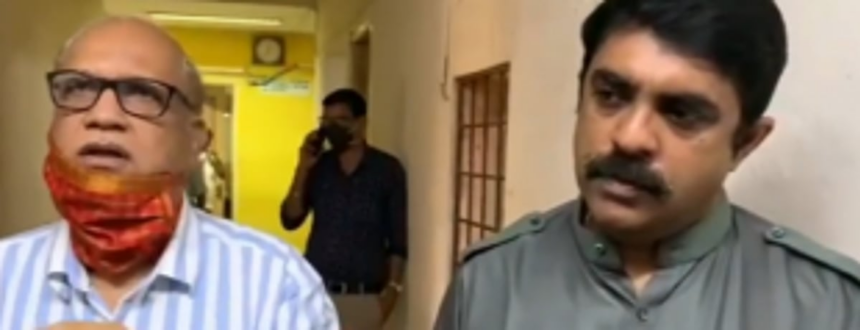
Further they have been told that when the chairperson belongs to the Fatorda Forward panel, the vice chairperson will be of the Model Margao panel and vice versa. This rotation has been mooted as there are four claimants to the post of the chairperson of the council and the backers of the winning alliance – MLAs Digambar Kamat and Vijai Sardesai – are unable to pick any one councillor to hold the post for the entire term.
Is this what the voters of Margao had sought when they voted for the Margao Civic Alliance? It perhaps had not occurred to them that this would have been the outcome of the election. The rotation policy that the town seeks to follow has been almost perfected by some panchayats in the State where there have been terms during which every panch member has held the post of sarpanch. This is not what was envisaged in the panchayati raj system. This is now going to be followed in urban areas.
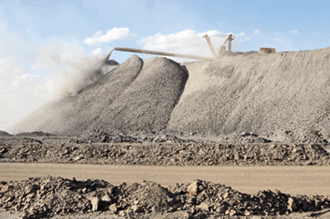
Margao has major residual issues that need to be resolved ASAP. In the run-up to the election, Herald had listed the issues in the town, among them garbage collection and disposal had been what most Margao residents had highlighted. There has not been a single election at which the promise to find a solution to the garbage dump at Sonsoddo has not been made. Every candidate at every election makes this assurance. Yet, after the elections this promise is swept aside as politics takes over. Sonsoddo remains unresolved, and it occasionally sends out fiery reminders that the garbage it is carrying needs to be cleared, yet there is little that the elected representatives have been able to do to clear the dump. That is a mountain-sized man-made problem in the town that refuses to disappear. With reference to garbage, the dump is not the only issue in the town, but the panels in their manifestoes had also promised improved or effective mechanisms for garbage collection, a clear indication that the system currently followed in the town is not effective and needs change.
Other promises in the manifestoes included the construction of a new bus terminus by demolishing the existing one. That again is a necessity as the current shed was a temporary measure that has served as a bus stand for the State’s commercial capital for decades. Yet another issue is of the growing number of stray dogs and cattle that panels promised to solve in their manifestoes. Very interestingly, the panels also promised regular interaction with the residents of the town. Perhaps they could have started the term with an interaction seeking to know what the resident of the town has to say of the rotation policy for the posts of chairperson and vice chairperson.
It does not matter who is the chairperson. What matters is that the person who takes over is given time to deliver on the promises that have been made. He or she has to be a dynamic personality who should understand the issues of the town, appreciate the need to resolve them and find those solutions. If there are going to four different chairpersons from two different panels, will there be continuity in the administration and in the policies? Will the chairperson who follows the first be in agreement with the decisions of the predecessor? Margao needs to ask these questions from its councillors.