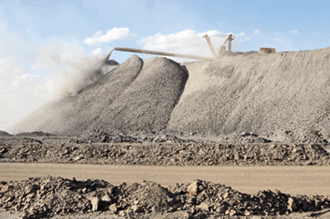
The decision of five Salcete villages to resolve “developing Goa as a coal hub” and oppose the nationalisation of rivers is a clear indication of the deep angst in this crucial part of South Goa. Besides the gram sabha of Cansaulim-Arossim-Cuelim (CAC) in Mormugao resolved to stop coal handling stating more specifically than other panchayats that ‘plans to increase coal handling, storage or transportation of coal in and through Goa must be stopped completely”. The Sancoale gram sabha, also in the same taluka, interestingly discussed the issue at length and its members spoke along the same lines, but it stopped short of passing a resolution to the effect.
Each of the Salcete villages which passed resolutions which were broadly against coal pollution – though some of them did not pinpoint the issue with the precision of Cansailim-Arrosim-Cuelim – represent the heart and the sentiments of Salcete and South Goa. The impact of coal pollution has been felt acutely in the villages of the South and a series of gram sabha resolutions passed, in Dramapur Sirlim, Aquem Baixo, Varca, Cana Benaulim and Rachol, needs to be taken seriously, as gram sabhas represent the will of the people. And significantly, each of these resolutions were passed unanimously.
The impact of the growing unrest and angst against the pollution causing coal transportation has grown, reaching to a crescendo now. It has been a people’s movement which has spread and for a change, no political party can or is taking the credit for leading the opposition to coal transport. In fact, the Congress too has a lot to answer for. It has such a strong political presence in Salcete having won 7 out of the 8 seats. But the GPCC, neither at the state level, or at the South Goa level, has managed to tap into the popular sentiment of opposition to coal transportation and made this into a major party campaign. It has clearly missed the bus here. The most prudent thing the party should have done was to have held a series of meetings addressed by their MLAs of Salcete and perhaps demanded a full session on the issue.
It is clear that no political dispensation has its hands clean as far as respecting people’s sentiments on the coal issue. However that opposition has to be pinpointed. There is, in the real sense, no coal hub being developed in Goa. What is being planned is a quantum leap in infrastructure including augmented port facilities to enhance the capacity for more coal to be transported. And this has the potential to lead to an exponential leap in coal pollution.
But coal transportation cannot be stooped unless coal handling stops. And if coal handling is allowed, then coal transportation has to be done in a manner where there is zero pollution due to spillage during transportation. Unless this is achieved, the health hazard to due to continued exposure to coal due to spillage will not just remain but rise.
To close the issue either way, the elected representatives of not just villages which have passed gram sabha resolutions but those of other villages which are in the zone of coal pollution coverage, (or even if they are not but want to express solidarity) must raise the intensity of the discourse. The government must get the opportunity and see this is a responsibility to inform the people of Goa, if it will bite the bullet and actually stop coal transportation no till the issue is looked at forom all angles, including the most important one of continued spillage even to this day, as reported by Herald in a series of ground reports last week.
The Union Shipping and Highways Minister Nitin Gadkari is aware of the opposition and he said in Goa that he will move the coal handling facilities to neighbouring states, if people oppose. He said “We won’t do anything if people don’t want it. If that is the case, projects proposed in Goa would be moved to Vijaydurga. A port is being developed in Karwar on the request of Karnataka government. Gradually we will reduce (dependency on) Goa port”.
We are sure that there is no confusion over people’s sentiments. The issue must therefore be taken forward by figuring if coal transportation can take place with zero pollution, and if not, then take minister Gadkari’s word, even taking into account the economic fallout of this move and the impact this would happen on MPT and its profits.