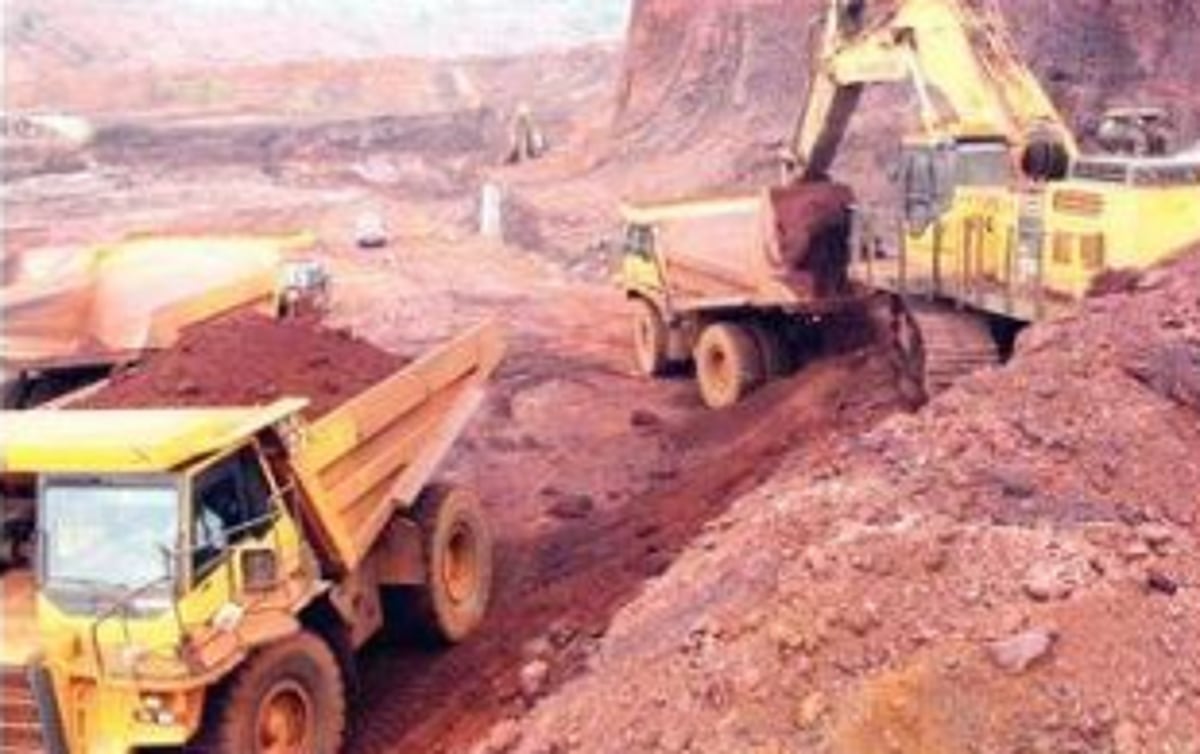
It is obvious that the Lokayukta who has just retired has rubbed the political brass the wrong way with many of his reports. His scathing statements in the reports with directions against prominent politicians have shaken the political establishment, that has attempted to undermine the office of the Lokayukta. Earlier this year, after his report on the second renewals of mining leases case, where he had passed some stringent strictures against the then government led by Laxmikant Parsekar for the second renewals to mining leases, which were later held to be illegal by the Supreme Court, and brought mining operations to a halt, the government had rejected the report. Now, after he passed two orders where he has named Waste Management Minister Michael Lobo, in one stating that the MLA was unfit to be a minister, and in another where he questions whether the minister is equivalent to God, Lobo has stated that he will file a defamation suit against the Lokayukta.
The Lokayukta Justice (retd) P K Misra has passed various reports with directions to the government but with a government that has already rejected one report, it is unlikely that the State will act on any other of his many reports. As per the government reasoning, the reports of the Lokayukta are recommendatory and not binding upon the government. The Lokayukta was instituted as an ombudsman to deal with complaints of corruption. To the people who have been subjected to various forms of graft, the Lokayukta came as a relief, as there finally was an institution that they could now approach with their complaints. And they did just that, but if the government rejects the reports of the ombudsman stating that they are not binding, what purpose does it serve to have such an office in the State?
There, however, are sections in the Lokayukta Act that the reports made are not merely recommendatory in nature. The Act states that on receipt of a Lokayukta’s report the competent authority shall examine the report and within three months of receiving the report, ‘intimate or cause to be intimated to the Lokayukta or Upa-Lokayukta, as the case may be, the action taken or proposed to be taken, on the basis of the report’. Further, if the Lokayukta is satisfied with the action taken or proposed to be taken on his recommendation ‘he shall close the case under information to the complainant, if any, the public functionary and the competent authority concerned, but where he is not satisfied and if he considers that the case so deserves, he may make a special report upon the case to the Governor and also inform the competent authority concerned and the complainant, if any’.
The Lokayukta has retired. Currently the office of the Lokayukta is vacant. The court has given the government a timeframe of three months to fill up the vacancy. That deadline will possibly be met, but if the State continues to ignore the reports of the Lokayukta, what purpose would a new appointment serve?
In the campaign for the 2012 election, the BJP rode on the corruption plank and promised to clean up the State. It won the election. The Lokayukta was meant to be the institution that would tackle corruption. If the government wants to reassure the people that it still means to rid Goa of corruption, it has to take action in all the cases in which the Lokayukta has passed reports. Goa does not need a Lokayukta who is appointed only to meet an obligation. Goa needs a Lokayukta who will take up cases, and a government that will then act on the reports, no matter who has been indicted. The people expect nothing less than that from the government.