Union Minister Nitin Gadkari, who holds the portfolios of Road Transport and Highways, lamented during his visit to Goa that many projects in the State have got stalled due to protests from environment activists and due to environment clearances that are required to take them ahead. To smoothen the way forward for projects that are on the anvil, the Union Minister has called for cooperation between the environment activists, judiciary and the people, stating that the highest priority is being given to the protection of the environment and ecology before projects are taken up. The issue, however, still remains on whether there is enough protection of the environment, for if indeed the environment and the ecology were being fully protected, those who are so concerned with the protection of the environment would not be winning their legal battle in the courts that lead to stalling of the projects.
The Minister had his examples, mentioning the decision to draft the Goa port to 18 metres that was stalled by NGT, the water transport projects that had been considered for Goa and that would have helped development but were halted by activists, and he then put it up to the people to decide and take responsibility for the hindrances. The Union Minister is seeking cooperation from the judiciary and the people of Goa for infrastructure development in the State. To be clear, the people will always want a better quality of life and if the required infrastructure is put in place, they will not have an objection just as long as the existing environment is not scarred completely by the projects. It is when this happens that the people take up the issue. No court of law would stall a project if the applicant could not make out a case against the project.
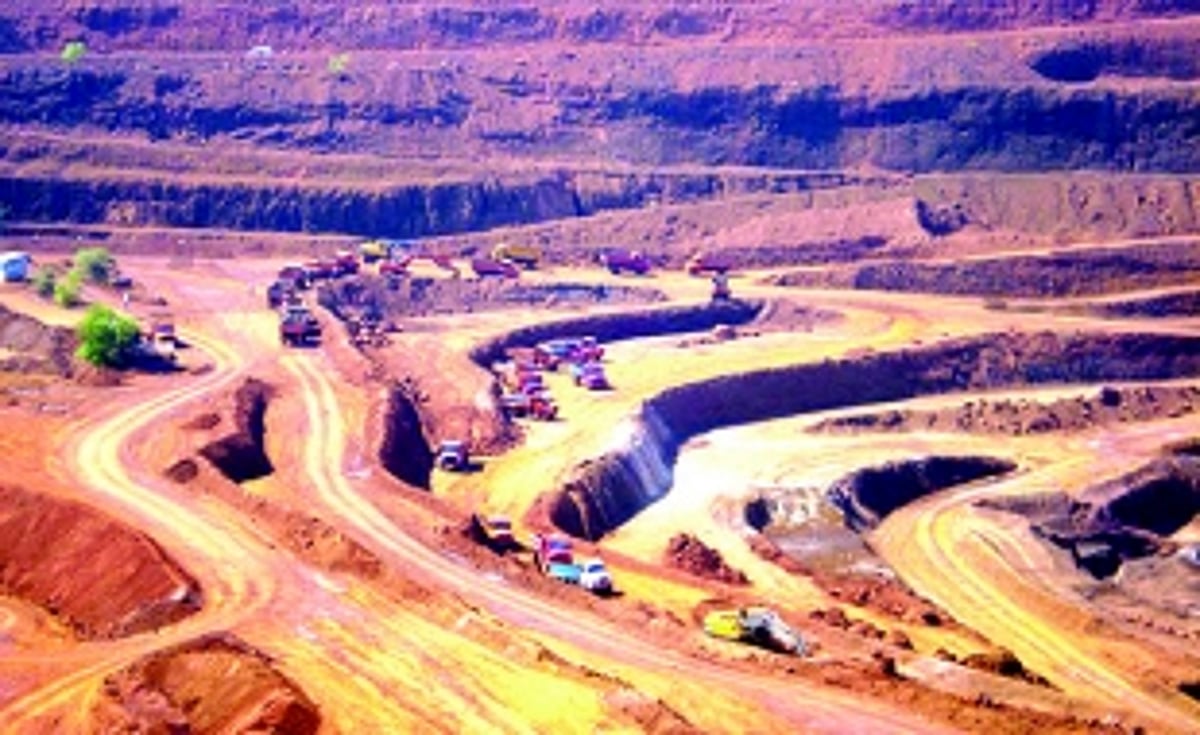
Development of a land is required and so is infrastructure. Both have to come but there is a price to pay for it. The price is not just the financial costs involved and the interests on loans taken to meet the expenses, but the environmental costs also. For any project of an infrastructural nature there will be some changes that will have to be made in the landscape that could be felling trees, clearing forests, levelling hills, filling fields. What is important is gauging how much of such destruction the land can take. It is when the changes to the landscape are vast, or when the same project can be taken ahead with less destruction of the environment that people concerned about the place they live take up the cause. Protests arise when the number of trees to be cut run into thousands, or when hills are flattened indiscriminately. It is a question of sustainability that makes the people stand up and call out the project.
Goa requires to find the balance between development and environment protection. There are benefits to be gained from the former, but these have to be weighed against the damage to the environment. This is also relevant at the current point of time as world leaders are meeting at Glasgow, Scotland for the climate change meeting that began on October 31. However, important the project maybe, its consequences to the environment cannot be ignored. Goans have not been objecting to development projects without any reason. If they had, they wouldn’t be victorious in courts. The proponents of such projects – whether the government or the private sector – have to appreciate that Goans are conscious of the environment and will protect it against unnecessary destruction. They will not object to a project that is necessary or one that ensures the protection of the environment. Of that the government can remain assured.