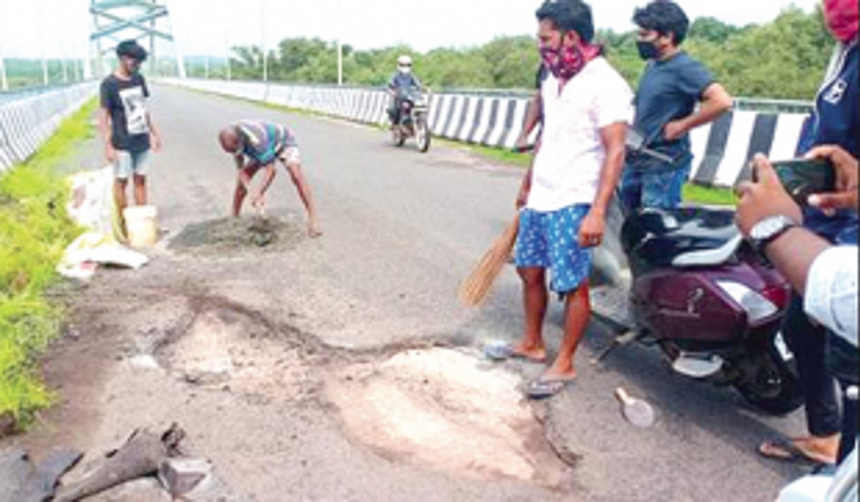
Anyone reading the paper yesterday would have been surprised or happy or mildly amused at
a photograph showing teenagers filling up potholes on the Calvim Bridge. The
locals had expressed their frustration regularly at the state of affairs. The
local authorities however seemed to pay no need. This prompted the boys to take
the initiative and do what they had to do. This is yet another example of
locals taking the initiative and doing what the authorities should have been
doing.
Sameer Gadekar, a resident of the area and
someone who was involved in the action said this was initiated because the
local bodies were just not listening to the demand for filling up the potholes
and said there were two boys from the Calvim side, his father, a couple of boys
and him. He said “The bridge was constructed during the BJP tenure of the late
CM Manohar Parrikar. For ten years nothing has been done in Aldona. The bridge
was constructed but no maintenance work was done. Grass grew everywhere and
accidents would take place. The bridge became famous for photo shoots, drinking
and courting couples. The bridge was done in the memory of the children who
lost their lives. The foundation stone was laid below but not maintained. The
local MLA was only inspecting but doing nothing. We did this to catch his
attention. We applied cement on all the potholes”. He went on to say the MLA
visited the site yesterday and claimed it was done because they were aware he
was visiting the site. There may be a political angle to all this but what is
important to know is that ordinary people are now getting off the sofa and
doing something to sort local problems out.
Cecille Rodrigues has been doing a lot of on ground activity
trying to ensure the people of Goa have better roads and be done with the
garbage problem that plagues this state. She said the patience of the people of
Goa was now running short. Cecille said “ As much as the PWD minister says that
Rs 300 crore has been sanctioned for the work and a lot of work taking place
despite the lockdown, work on the roads have been neglected. There are places
where half the road has been done whereas the other has been neglected. The
question is where the funds are going. Is public safety on their agenda or is
their agenda more important. I am so happy now to see the public step out,
earlier that was not the case. They have courage to colour speed breakers, fill
up potholes. People are cleaning up signboards. The public is coming forward to
shame the government”. She went on to say the present governance did not seem
to care for the people. The public she said had to come out in larger groups
and make their noise be heard.
Speaking about garbage management she said the Kachra campaign
was important because of the increase in urbanization. Builders from outside
were now involved in projects and with no recycling facility, people dumped
garbage into the fields, rivers and seas. Garbage was also discarded on the
beach. She said a fisherman complained about bottles being left at night
causing them physical harm and even damage to their boats. The absence of
garbage cans at regular intervals meant people were forced to throw their
garbage in public spaces. The idea behind a garbage free area would not work
because she felt people were not environmentally conscious. The government needs
to have dustbins all over the place. There was no vision on how to tackle this
problem.
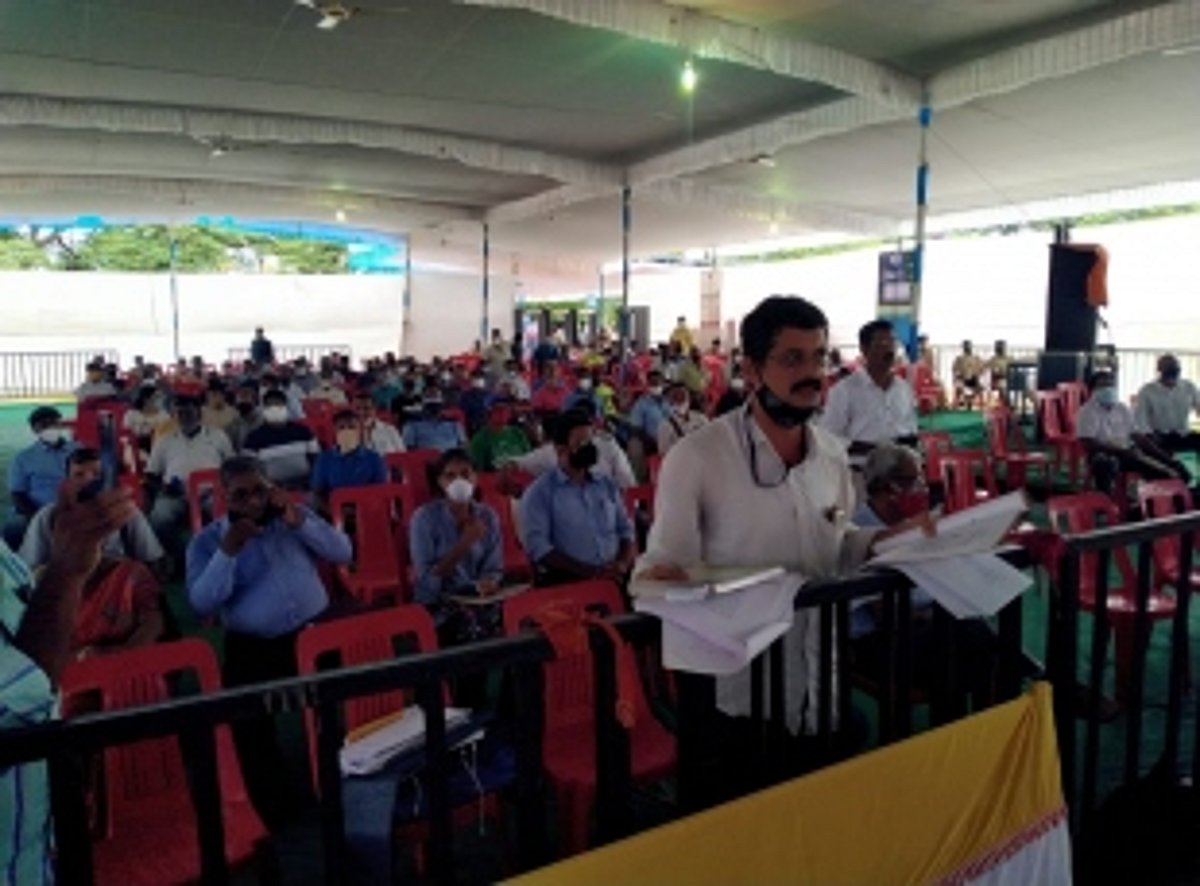
Another example of people coming out in very large numbers to
right a wrong was the Mollem campaign.
Mohan Kumar who heads the Living Heritage Foundation was part of
the team that shot a one hour film on the Mollem campaign. It provides a very
deep understanding of the entire issue. He said the reason for the upsurge in
people participation was due to the fact the authorities who were supposed to
be doing all these things were least bothered. He said “The road in Siolim to
Assagao has been an absolute mess for three years. Every year we would hope it
would get done and now the locals themselves were trying to fill up the
potholes. Like this there are so many things to get involved in like saving the
fields, the wetlands and Goa is a small state and the government could do
wonders. The government however seems least bothered. Nothing is being done to
make the citizens’ life easier”.
Another person with a very broad view of this trend is Vijaya
Pais . She was pretty blunt when she said people would come out when the
solutions provided by the government did not make logical sense. People were
now trying to fix it in their own way and this was visible when the lockdown was
imposed and several tens of thousands of people were left in the lurch. She
said “Waiting for the government to do something would have been catastrophic.
So the ordinary people organized themselves and helped people get food and even
get on trains to reach their home state. I also feel this will increasingly
become the norm especially in Goa where people tackle issues at a local level.
Each village will have a group of people who will try their best to fix
problems, because government bodies will have their problems like red tapism.
This will become the norm with people’s bodies increasingly playing a role when
situations emerge”. Sobering but interesting thought.
One
can only hope this will lead to greater cooperation between all concerned
because at the end of the day the people have to benefit otherwise what’s the
point.