Can a person without vision drive a vehicle? Will the Road Transport Authority allow or even issue a licence to a person without vision, to drive a vehicle on public roads? If not, isn’t it ridiculous that a state such as Goa drives development with a colossal revenue expenditure of Rs 16,916 crore (2022-23 Goa Budget), without having a vision?
Can expenditure and construction of airports, bridges, highways, statues, ‘Smart City’ project, refurbishing of Kala Academy (without tenders), be considered as
development? Or is it just isolated infrastructure development without an overall plan or Gestalt?
In Gestalt Psychology, psychologists emphasised that organisms perceive entire patterns or configurations, not merely individual components (like individual projects). Gestalt is an organised whole that is perceived as more than the sum of its parts. So, for instance, putting up 50 primary health centres, 20 community centres and two tertiary hospitals, (even if we presume that they are well equipped), does not add up to improved health care, as seen in Goa. There needs to be a vision and an agenda for health care with complex linkages, patterns, processes, health care structures, configurations and trained medical personnel such that at the end of the day the health of the average Goan is improved; there is quick response from the medical fraternity during emergencies, that corruption is eliminated from the system and best possible health care is provided by the government sector hospitals, if required with synergy from private hospitals or national and international collaborations, virtually if required.
Although Goa has celebrated 36 years of Statehood and will celebrate 62 years of Liberation from colonial rule this December, why has the State not adopted a Vision Document? What is the importance of having an overall vision document for all of Goa and various sectors of the polity, economy
and society?
A Vision Document gives a clear direction and focus for the development of the state, with long-term goals and aspirations, creating a roadmap for the near or distant future. It helps policymakers, government officials and other stakeholders to work towards achieving common objectives or pre-set goals.
It flags key areas of focus such as infrastructure development, tourism promotion, with linkages by taking on board all stakeholders. A clear and well-defined Vision Document can attract domestic and foreign investments to the state, by articulating its goals — for instance, making Goa an educational hub, leading to employment and livelihood creation.
A Vision Document can provide benchmarks for good governance; enable effective monitoring and evaluation of policies and programmes, ensure transparency and accountability in governance.
Finally, a Vision Document can integrate principles of sustainability and resilience into the developmental framework of the state. It can address environmental concerns, and prioritize the well-being of sections of the local population such as women, children, tribals, underprivileged, etc. A Vision Document can help Goa become a model for sustainable and all-round development, especially human development.
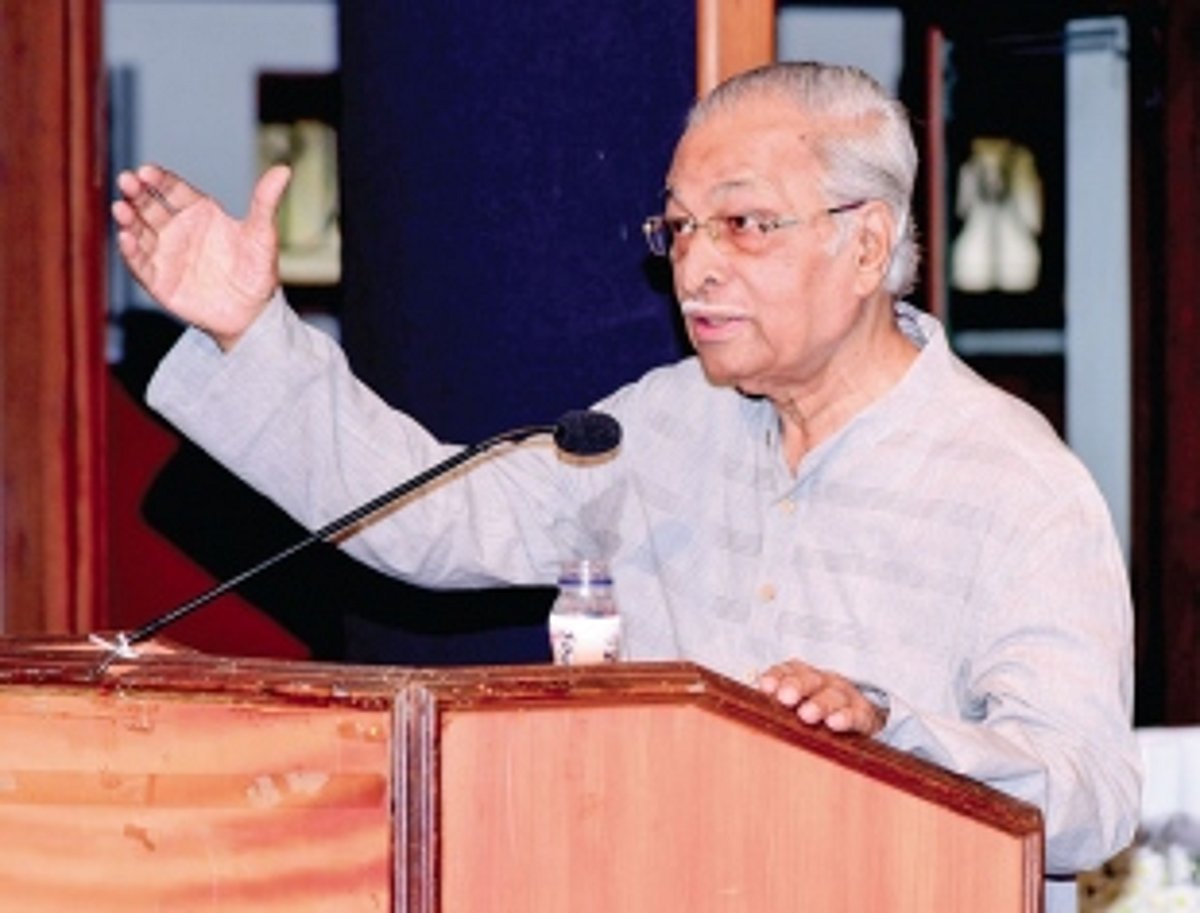
It is not that Goa did not think of a Vision Document. The Golden Jubilee Development Council, headed by
Dr Raghunath Mashelkar as chairperson, drafted a ‘Vision Document 2035’ and submitted it to the then chief minister on December 19, 2011. But why, over the past 11 years have none of the governments across party lines not adopted a Vision Document for Goa and why is every government hurtling down a blind alley?
The Council laid out a road map on how to create a serene and beautiful Goa, how to create balanced and sustainable Goa, how to create a knowledge centric and enlightened Goa, a well governed Goa and an affluent and happy Goa. The focus was on 10 areas of development, though certain areas such as youth and employment, Panchayati Raj and local government, language and identity, common lands and livelihoods etc were not given separate emphasis.
Why doesn’t Goa, with its slogans of Sab Ke Saat, Sab Ka Vikas and Swayampurna Goa and also Sarkar Tumchea Dari, not have a Vision Document or a road map for wholistic and sustainable development? Why can’t the present government not adopt a vision document even for the next four years, if not for 10 years?