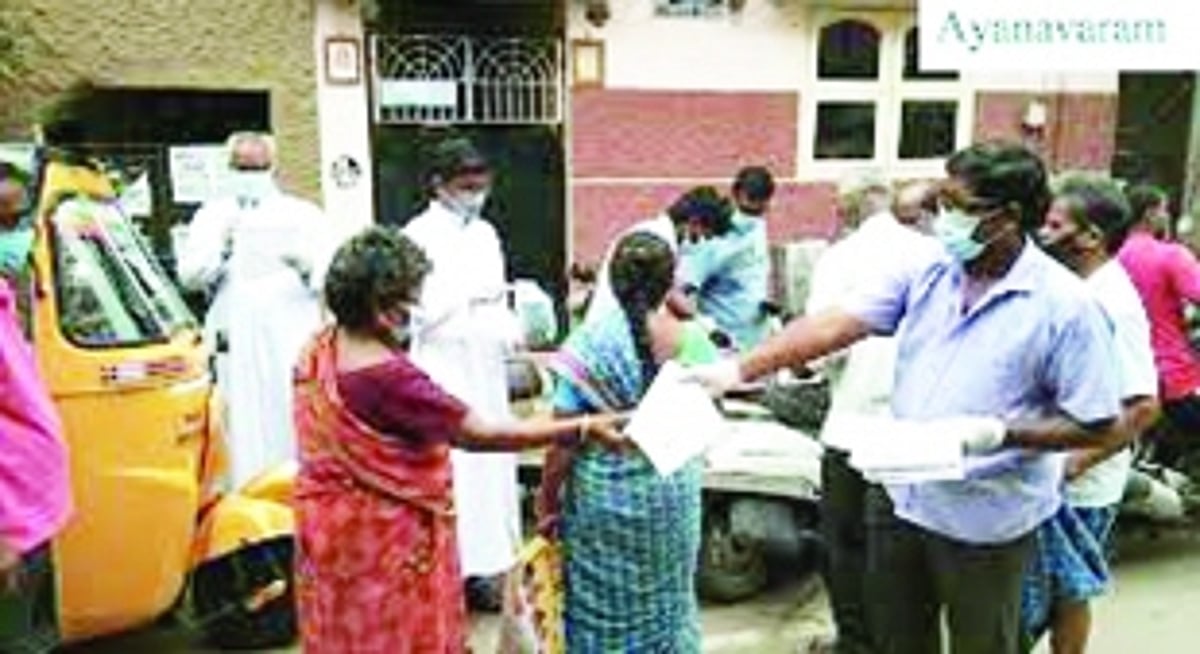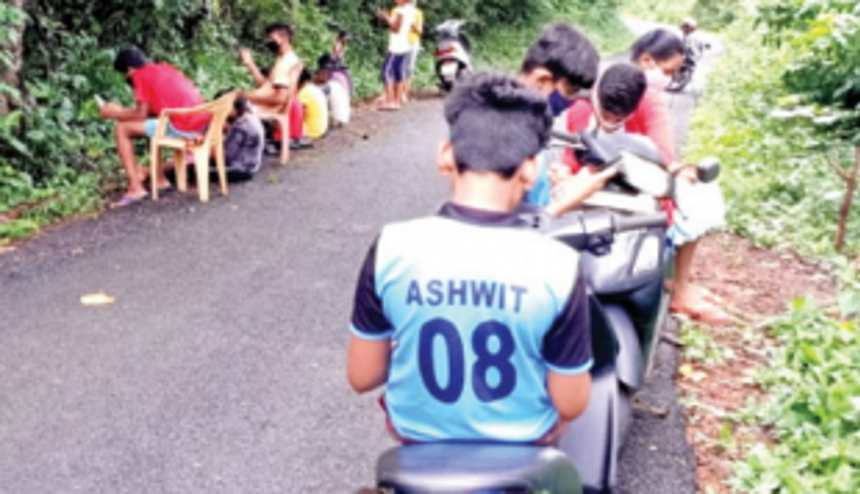
Elections 2022 will be fought on the ground, but the campaign is already looking to go high-tech. Aspirants have not only been doling out bags full of ‘ration’ to the people, but there are some who have now turned to cyberspace and not necessarily the social media. The opportunity presented itself in the form of online classes where students, especially in the rural areas, were facing difficulties in connecting to the Internet for their lessons. In Goa’s northern-most taluka of Pernem, the sitting MLA and other aspirants in the constituency of Mandrem have offered free Wi-Fi in certain areas for the residents of the area including for students.
Against the backdrop of bad Internet connectivity, where students in these areas and others have been gathering at certain spots from where their smart phones are able to connect with the classes, this free Wi-Fi will come as a boon, but raises the question of why didn’t the government consider this possibility the whole of last year when students were suffering due to bad connectivity? Another academic year of online classes has started and there are still areas in Goa where connectivity is almost non-existent and if individuals – MLAs and their potential challengers – can offer such a free service, couldn’t the government have done the same?
In this, the second year since classes have gone online and the connectivity issues have again been raised, what has been done by the government in improving the Internet services? Besides speeding up the process of permitting the installation of towers, the efforts of the government have been minimal in improving the Internet connectivity. While classes went online across the nation and the world due to the COVID-19 pandemic and resultant lockdowns, there were countries where the local bodies or administrations entered into a partnership with Internet service providers to increase coverage and even meet the costs of broadband for students of families that may not have been able to meet the Internet usage bills.
This was felt necessary because it is mainly these students who are most in need of school learning and face the biggest hurdle in accessing the classes and were not able to join their other colleagues in the online classes. The same situation presents itself in Goa, where not all students have access to the Internet or are not able to afford the devices and monthly bills of the Internet service provider. Yet, in Goa there was no such measures introduced for those who opted for online classes leaving the field open for politicians and political aspirants to step in with freebies that have election campaign written all over them.
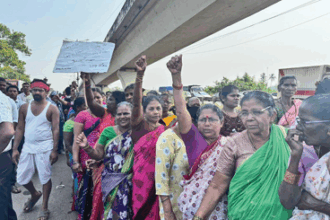
So, is the government going to allow this free Wi-Fi – in some cases entirely funded by individuals – to continue? While individuals coming forward to help children in need of connectivity is welcome, the entry of political elements in this is questionable. Opposition parties have very successfully taken up these lacunae and have even protested over it. Besides, it exposes the failure of the government in providing the facilities for the students.
Every child must have access to education and it is the duty of the government to ensure that all children are enrolled in schools and are given the facilities. In the current circumstances where classes in schools are not possible due to the pandemic and the possibility of infection due to close proximity of children in a school, the concept of remote learning came into play with the assistance of online classes. The infrastructure for this, however, was sorely lacking and this was felt throughout the last academic year and still continues. That the improvement was minimal indicates just how serious the administration was in improving the service. Can therefore political parties be blamed for taking advantage of the situation?