J Not just a day earlier, but prior to that the Chief Minister had also ruled out a lockdown just hours after Health Minister Vishwajit Rane had suggested there should be one and that he would recommend it to the government. At that time the Chief Minister had said that if the situation worsens the government ‘can think about it’. We can, therefore, now infer that the pandemic situation has worsened considerably, as otherwise why would the government go for a lockdown?
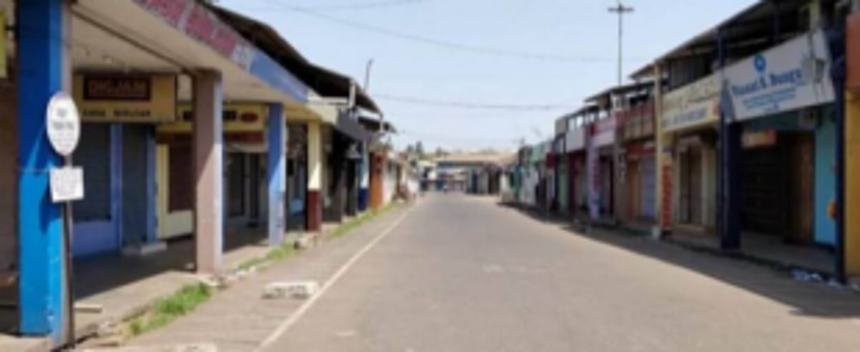
In that respect, with the daily new cases spiking to 3,101 COVID positive patients and active cases upwards of 18,000 there is no doubt that the situation has worsened, and far too quicker than expected. Certain areas of the State have seen a large spurt in cases, leading to a longer 10-day containment in Calangute, Candolim and Arpora-Nagoa. This containment will be far stricter than the State-wide lockdown and essential services will remain open from 6 am to noon, with curfew from 1 pm onwards. Such containment zones could also be imposed in other areas in the State, depending on the situation in a particular place.
Explaining the reasoning for the lockdown, the Chief Minister said it was to break the COVID-19 chain of transmission. He argued that despite requests people were still moving out of the house for non-essential reasons, and that if people do not step out for the next four days the State could succeed in breaking the chain of transmission of the current surge. While short lockdowns are not known to deliver results, how successful this particular extended weekend phase of restrictions will work is not quantifiable at the moment. In July last year the State government had imposed a similar three-day weekend lockdown proffering similar reasons for it, but the measure had not shown any dip in cases.
It does appear that the lockdown has come as there was pressure on the government from several quarters – the Health Minister and the Ports Minister in particular – to announce these restrictions. Simultaneously, the business fraternity was completely against it. Trade bodies had repeatedly backed the Chief Minister on the no lockdown decision, and had pleaded to avoid such a move. When he did make the announcement, the Chief Minister said that it was a way out respecting the sentiments of the medical fraternity as well as the industrial sector. So the way out was a short lockdown to keep those demanding it satisfied, and at the same time not interfere with industry working much as the May Day holiday during the lockdown period would anyway see most factories shut. It is, therefore, not surprising that the industry has welcomed the restrictions as it will have a minimal effect on their functioning.
The second wave of the coronavirus pandemic has been deadlier than the first. It has seen the rapid transmission of the infection and Goa, that during the long first wave had seen a maximum of over 700 cases a day, has now seen it rise to over 3100. We don’t know how, this lockdown that has been announced, will change the rising COVID-19 tide. If it does not, what is the other option that the government is looking at? The lockdown is a reaction of a government that was just not prepared for the second wave of the pandemic. The Chief Minister’s reassurances that there would not be a lockdown and then the imposition of one indicate this. At least now, will the government plan a little more in advance? That’s the least it can do in the current circumstances.