Tehran witnessed massive funeral processions marked by grief, anger and calls for retaliation as Iran held state funeral ceremonies for former Supreme Leader Ali Khamenei and four members of his family, who were killed during the opening day of the US and Israeli military campaign on February 28.
The ceremonies, delayed for more than four months due to the ongoing conflict in the Middle East, drew hundreds of thousands of mourners to the Grand Mosalla prayer complex. Iran’s senior political and military leadership made a rare public appearance during the funeral, underscoring the significance of the event.

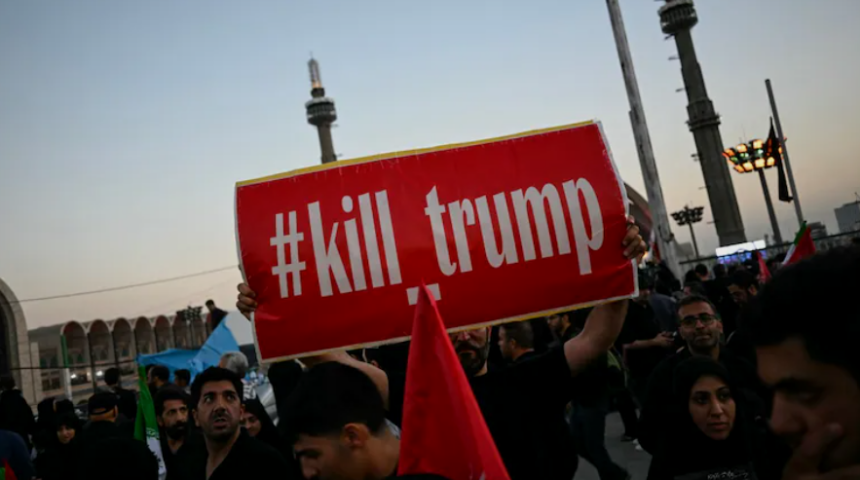
Crowds gathered overnight and in the early hours of the morning to participate in funeral prayers. Many carried Iranian national flags, red banners symbolising vengeance and portraits of the late leader. Protesters repeatedly chanted anti-US and anti-Israel slogans, including “Death to America” and “Death to Israel,” while demanding retaliation for the killings.
The event also featured inflammatory rhetoric directed at the United States and Israel. Posters and graffiti displayed at the Grand Mosalla prayer complex called for the assassination of US President Donald Trump and Israeli Prime Minister Benjamin Netanyahu, with similar slogans being echoed by sections of the crowd.
During the ceremony, poet Mohammad Rasouli, who addressed mourners before the prayers, delivered remarks calling for revenge. In one of his speeches, he declared that those responsible for the deaths should be held accountable and made direct references to Trump, drawing loud applause from supporters in attendance.
The funeral became both a religious observance and a political demonstration, reflecting heightened tensions between Iran, the United States and Israel following months of regional conflict. The public display of anger and repeated calls for retaliation highlighted the deepening hostility that continues to shape the geopolitical landscape of the Middle East.
(This story is published from a syndicated feed)