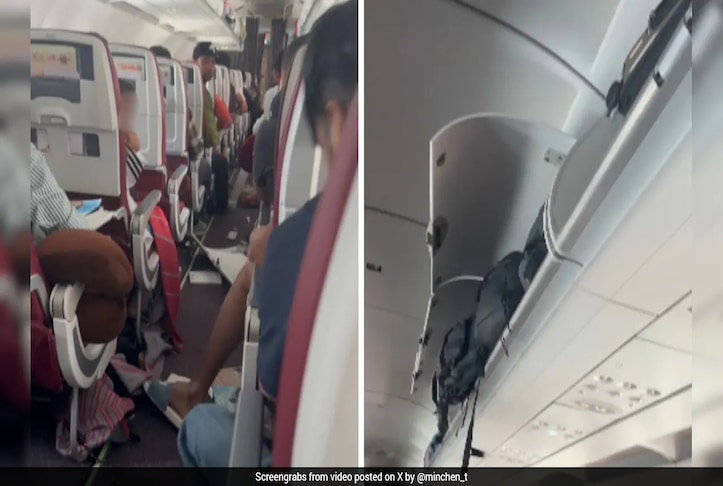
An investigation into a severe mid-air turbulence emergency aboard an Air India flight from Phuket to Delhi has taken a serious turn following reports that the flight’s commander tested positive for psychoactive substances during post-flight screening.
The incident occurred aboard flight AI2379, which was carrying 137 passengers and eight crew members from the Thai resort town to the capital. While en route, the aircraft encountered intense turbulence and suffered a sudden loss of altitude lasting approximately five minutes. The abrupt drop caused chaotic conditions in the cabin, resulting in injuries to 13 passengers and four crew members. Two flight attendants sustained severe spinal injuries near the tailbone and neck, requiring specialized hospital care, while most injured passengers were treated and released shortly after landing.

Upon arrival in Delhi, aviation authorities subjected the crew to mandatory post-flight drug screening protocols in accordance with civil aviation guidelines. Initial screening results indicated that the pilot-in-command tested positive for psychoactive substances. However, this preliminary result is not considered a final determination, as a secondary confirmatory test was conducted and its results remain pending.
Air India acknowledged that post-flight screening was conducted as mandated by standard operating protocols, but noted that official test findings have not yet been formally communicated to the carrier. Consequently, the airline refrained from confirming or denying the preliminary screening results. As a standard precautionary measure, both the commander and the co-pilot have been taken off the flight roster pending the completion of the formal inquiry.
Under civil aviation rules, air carriers conduct regular and post-incident drug testing on flight crews. Regulatory policies state that a first-time positive result requires the immediate removal of the crew member from flight duties, followed by mandatory referral to a recognized rehabilitation center. The individual can only resume flying after producing a clear, negative dope test report. A second violation results in a three-year license suspension, while a third offense leads to permanent cancellation of the pilot’s flying license. Rules also mandate that crew members must disclose any prescribed medical treatments prior to testing, as certain legal medications can influence screening outcomes.