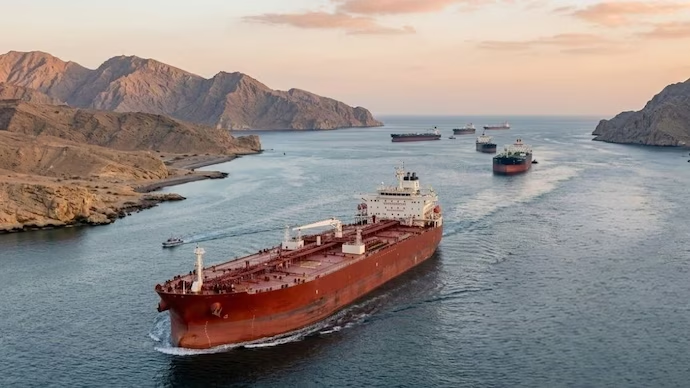
The expected reopening of the Strait of Hormuz after months of conflict between the US, Iran and Israel has raised hopes of easing pressure on global energy markets and supply chains. The narrow waterway, through which nearly 20 per cent of the world’s oil once passed, remained shut for over 100 days, triggering soaring fuel prices, shipping disruptions and market volatility.
Once de-mining operations are completed, hundreds of oil and gas tankers stranded in the Persian Gulf are expected to resume voyages to Asian markets. The move will restore supplies from major exporters including Saudi Arabia, Iraq, the UAE, Kuwait and Qatar. Fertiliser shipments, cooking gas and petrochemical products are also likely to return to normal flows.

Despite the positive outlook, experts warn that recovery will not be immediate. Energy analysts say the effects of earlier oil price spikes could continue to influence global markets for several more months. LNG prices, which are linked to crude oil, may take until late 2026 to fully reflect lower costs.
For India, the reopening is particularly significant. As one of the world’s largest crude importers, India stands to benefit from lower freight rates, reduced insurance costs and easing inflation. A sustained decline in oil prices could support the rupee, reduce the import bill and provide relief to sectors such as aviation, logistics and fertilisers.
However, analysts caution that any renewed tensions in the Middle East could quickly reverse these gains.