Bangladesh’s ruling BNP has called for immediate discussions with India to finalise a new Ganges Water Sharing Treaty, warning that future ties between the two neighbours would depend on a fair agreement. The current Indo-Bangladesh Ganges treaty, signed in 1996, is set to expire in December this year.
Speaking at an event in Dhaka, BNP secretary general Mirza Fakhrul Islam Alamgir said Bangladesh expected a fresh treaty that reflected the “needs and expectations” of its people. He stated that maintaining strong relations with India would largely depend on the successful renewal of the agreement, also known as the Farakka Agreement.

Alamgir expressed concern over uncertainty surrounding the future of water-sharing arrangements after the expiry of the existing 30-year pact. He said the current agreement should continue until a new treaty is signed and suggested that future agreements should not be restricted to a fixed time frame.
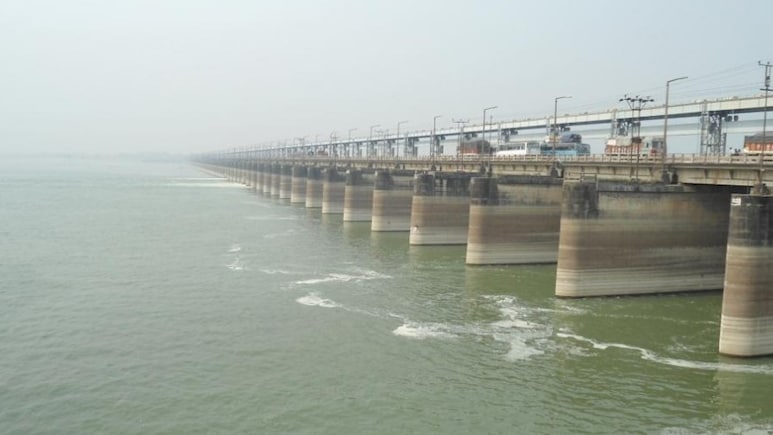
The remarks came days after Bangladesh approved a major project to build a barrage on the Padma river, which officials said would reduce the negative effects caused by the upstream Farakka Barrage in India’s West Bengal. The project is expected to be completed by 2033.
Bangladesh Water Resources Minister Shahiduddin Chowdhury Anee clarified that the Padma Barrage project was an internal matter and did not require discussions with India. However, he confirmed that talks regarding the Ganges water-sharing issue were continuing.
The Farakka Barrage has remained a sensitive political and environmental issue in Bangladesh for decades. Several experts in the country argue that reduced dry-season water flow has increased salinity, damaged agriculture and affected river ecosystems downstream.
India, meanwhile, has consistently maintained that the Farakka Barrage was constructed primarily to maintain navigability at Kolkata Port and that water-sharing concerns have been addressed through bilateral mechanisms and agreements between the two countries.