Team Herald
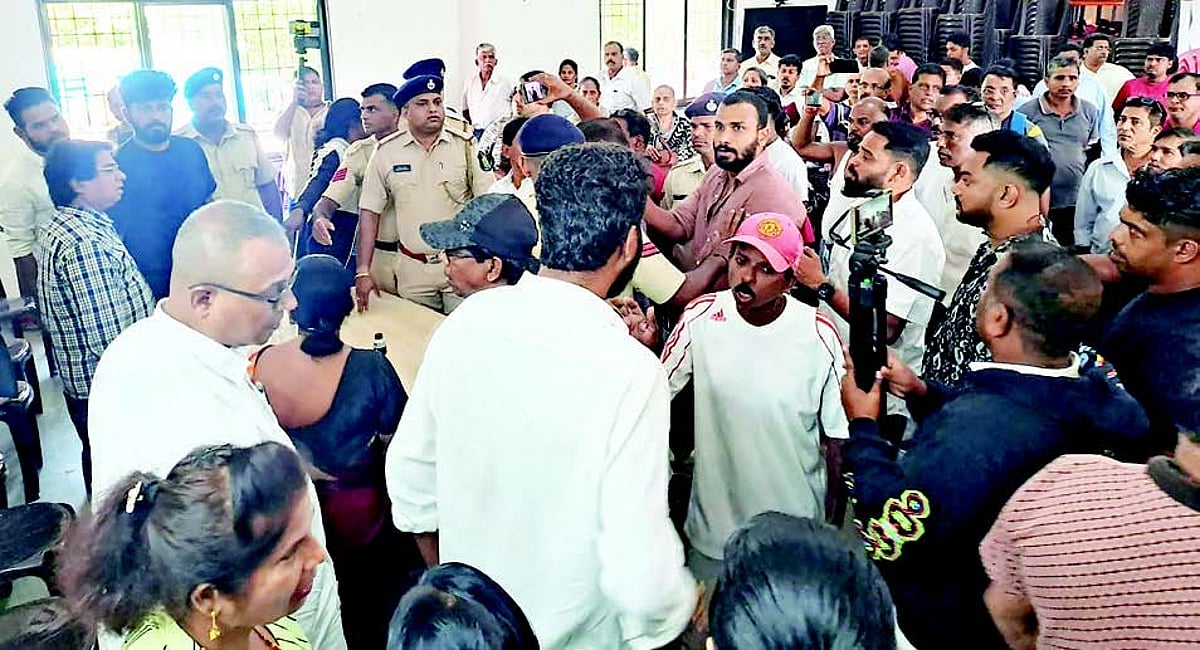
PONDA: The residents of Bhoma on Sunday expressed fears that the NH expansion plan would divide their village and destroy their cultural heritage.

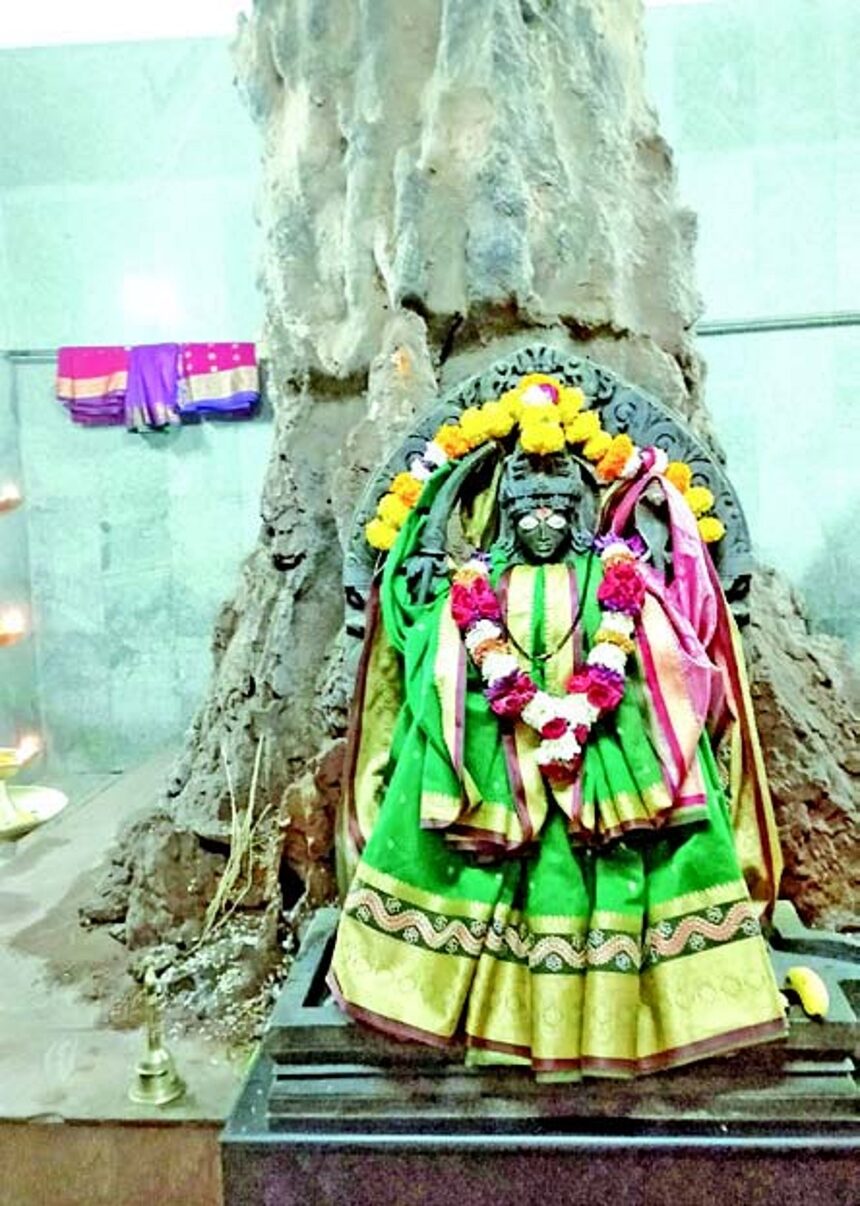
The locals said that they have been worshipping Goddess Sateri for 400 years and the annual Kalo celebrations involve a procession that crosses the road to meet Narayan Dev at his temple.
Sanjay Naik, a local leader said that the proposed huge stilt four-lane flyover between Sateri and Narayan Dev temples (heritage sites) at Bhoma would disrupt centuries old traditions, rituals and surely destroy our culture. The women have even pledged to sacrifice their lives to save their culture.”
Naik said, “We have been worshipping goddess Sateri for 400 years which is also evident from the anthill located behind Sateri idol. There are a total of five local deities.”
The locals claimed that ancient roadside tollem (lake) as per Portuguese and Comunidade documents connected with Narayan Dev and Sateri Devi, which is not shown in the EIA report, would also be sacrificed for widening work.
Naik said all temples in Ponda taluka have lakes and so these should be preserved at any cost.
He said, “If a flyover is built then devotees will not be able to dance in the Rathotsav procession.”
He said, “The procession is the main attraction of Kalo celebrations. We don’t want a stilt flyover structure between the two heritage sites as it will destroy our village culture and beauty.”
Bhoma residents have approached Union Minister Nitin Gadkari and have also submitted a memorandum to North Goa MP and Union Minister Shripad Naik, hoping they will intervene to save their village and culture.