The Union Budget 2026–27 has placed renewed emphasis on coconut and cashew cultivation—two pillars of Goa’s agrarian economy—by announcing targeted incentives aimed at improving productivity, strengthening processing and raising farmer incomes, even as industry stakeholders cautioned that implementation will be key.
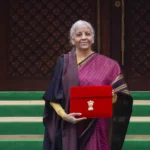
Finance Minister Nirmala Sitharaman on Sunday unveiled a comprehensive package for agriculture and allied sectors, signalling a policy shift towards high-value crops, fisheries and livestock to diversify rural livelihoods. The allocation for agriculture and allied activities has been raised to ₹1,62,671 crore for 2026–27, a 7.12 per cent increase over the revised estimates of the previous year.

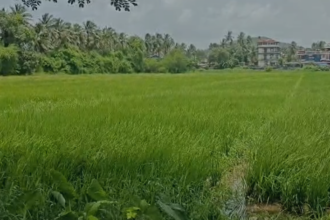
For Goa, where coconut and cashew dominate coastal and hinterland farming, the Budget’s focus on plantation rejuvenation and value addition could offer long-term gains if translated effectively on the ground.
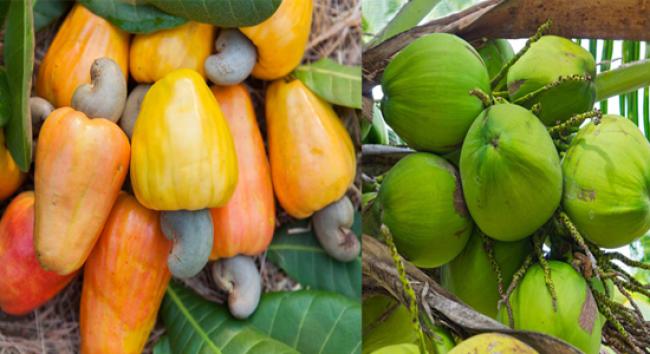
A dedicated Coconut Promotion Scheme announced in the Budget proposes the replacement of old and unproductive coconut palms with high-yielding varieties in major coconut-growing States. Noting that India is the world’s largest coconut producer, Sitharaman said nearly 30 million people—around 10 million of them farmers—depend on the crop for their livelihood.
In Goa, where a large proportion of coconut trees are decades old, the scheme is expected to help rejuvenate orchards, improve yields and stabilise incomes, particularly for small and marginal farmers who rely on coconut for household use and local markets.
Cashew, another crop deeply embedded in Goa’s rural economy and cultural identity, also received attention. The Finance Minister announced a dedicated programme for Indian cashew and cocoa, aimed at achieving self-reliance in production and processing, improving export competitiveness, and positioning them as premium global brands by 2030.
For Goa’s cashew sector—grappling with ageing plantations and limited processing capacity—the emphasis on value addition and branding could open new opportunities, including for downstream products such as feni.
However, industry representatives urged caution.
“We’ve seen many grand announcements in the past; what matters is what reaches the grassroots. I’m not reacting to budget headlines because it is premature. I will respond once we see clear, written provisions that ensure funds and initiatives translate into direct support for cashew and feni stakeholders across Goa. We already have One District One Product (ODOP), is a clear example of how the Cashew industry was shortchanged after grandiose announcements,” said a skeptical Hansel Vaz, Secretary of the Cashew Feni Distillers and Bottlers Association and President of the Coconut Feni Collective.
Welcoming the Budget, Bharatiya Janata Party (BJP) Goa unit president Damodar (Damu) Naik described it as a practical and people-oriented roadmap for the state’s economy. He said the emphasis on cashew and coconut reflected their centrality to Goa’s heritage and livelihoods.
Naik particularly welcomed the Coconut Promotion Scheme, stating that the replacement of ageing palms with high-yielding varieties would strengthen the rural economy, improve farmer incomes and make coconut cultivation sustainable for future generations.