The Water for Life Decade was started by the UN in 2005 in an effort to raise awareness of the importance of taking better care of our water resources. After that, the idea put forth by well-known river advocate Mark Angelo on a global scale led to the creation of World Rivers Day. The proposal for a World Rivers Day event was accepted by UN agencies because they believed it would align well with the objectives of the Water for Life Decade. The first-ever WRD event was put together by a global community of river enthusiasts. Rivers Day was observed in numerous nations after the inaugural celebration in 2005 proved to be a huge success. The occasion has expanded ever since. It is annually celebrated on the fourth Sunday of every September.
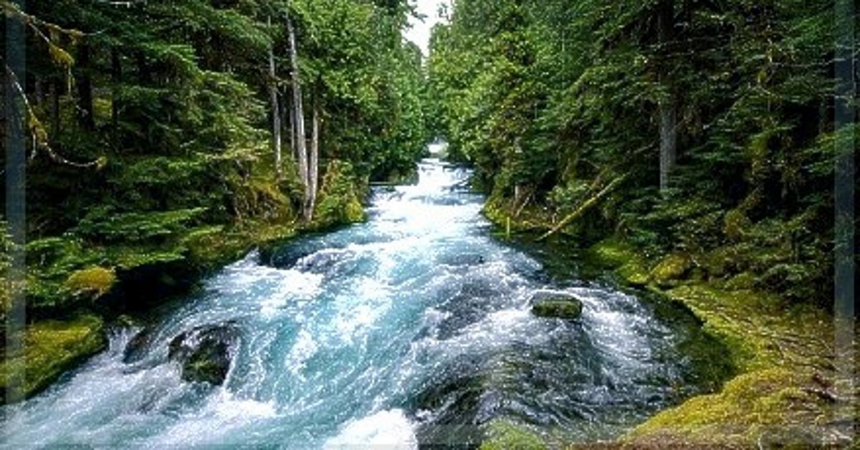
Rivers are vital ecosystems that sustain a wide variety of wildlife and supply vital resources to human communities, making them the lifeblood of our planet. They provide nutrients for agriculture, sculpt the landscape, and act as thoroughfares for trade and transportation. For many societies, rivers are significant not only in terms of ecology and economy but also in terms of culture and spirituality. They are frequently seen as representations of rebirth, vitality, and kinship. Nonetheless, pollution, climate change, and habitat destruction are just a few of the many threats that rivers face. Everybody is reminded of the importance of preserving and safeguarding these priceless waterways on World Rivers Day. We can guarantee that rivers flow and continue to enrich our planet for future generations by spreading awareness and encouraging sustainable practices.

India is home to some of the most significant rivers in the World, which have played a crucial role in shaping its culture, economy, and environment. The major rivers, including the Ganges, Yamuna, Brahmaputra, and Indus, are not only vital sources of water but also hold immense spiritual and cultural importance. Many rivers in India are revered as sacred. The Ganges, for instance, is considered the holiest river in Hinduism, with millions of pilgrims traveling to its banks for rituals and ceremonies. Festivals like Kumbh Mela celebrate the confluence of rivers and draw millions, emphasizing the deep spiritual connection people have with these waterways.
Despite their significance, India’s rivers face numerous challenges, including pollution, over-extraction of water, and climate change. Urbanization and industrial discharge have severely impacted water quality, while the construction of dams and barrages disrupt natural flow patterns. In response to these challenges, various government and community initiatives focus on river conservation. The “Namami Gange” project aims to rejuvenate the Ganges through pollution abatement, riverfront development, and biodiversity conservation.