Oman has rejected a proposal by Iran to impose transit fees on ships passing through the strategically vital Strait of Hormuz, reiterating its commitment to free and safe navigation in the region.
The disagreement emerged after Iran included a provision in its reported 10-point ceasefire proposal that would allow both Tehran and Muscat to levy tolls on vessels using the narrow maritime passage. However, Oman firmly opposed the move, stating that no such charges can be imposed.

Oman’s Transport Minister clarified that the Sultanate has existing agreements in place ensuring that ships crossing the Strait of Hormuz are not subject to any transit fees. The minister underscored the country’s longstanding policy of maintaining open and secure access through one of the world’s most critical shipping routes.
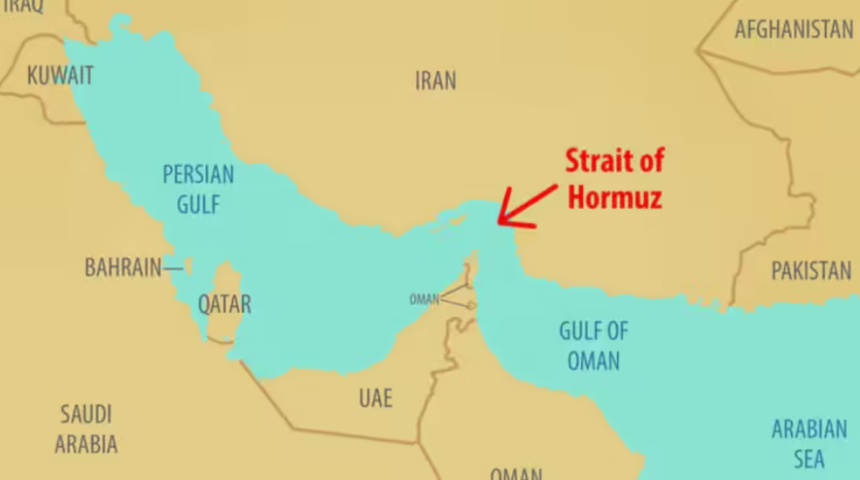
The Strait of Hormuz, a 34-kilometre-wide channel between Iran and Oman, is widely recognised as an international waterway. Historically, neither nation has imposed tolls on vessels navigating the route.
The strategic passage serves as the gateway to the Persian Gulf and handles nearly one-fifth of the world’s oil trade, making it a crucial artery for global energy supplies.
Iran has argued that the proposed transit fees would help fund post-war reconstruction efforts, citing extensive damage to its defence, administrative, and civilian infrastructure caused by ongoing conflict.
Despite Tehran’s justification, Oman’s firm stance reinforces the principle of unrestricted maritime passage through the Strait, amid broader concerns over regional stability and global trade security.
(This story is published from a syndicated feed)