Team Herald
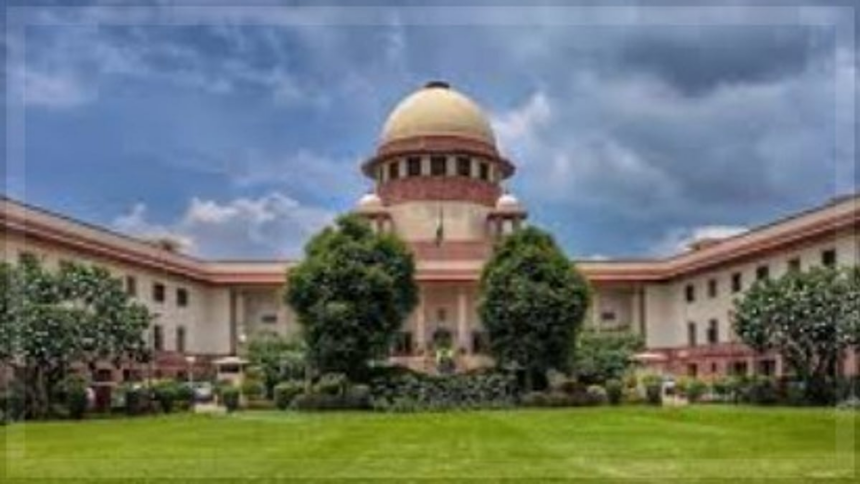
PANJIM: The Supreme Court on Friday upheld the Goa government’s decision to recover previously granted electricity tariff rebates from industrial companies, reaffirming the State’s authority to withdraw economic incentives in public interest.

The Bench comprising Justice Dipankar Datta and Justice Sandeep
Mehta ruled that the doctrine of promissory estoppel cannot be rigidly enforced when financial burdens on the public exchequer are at stake.
Citing past rulings, the Court dismissed the appeal, affirming that Goa government’s demand notices were legal and justified. The verdict supports the 2001 decision of the High Court of Bombay at Goa and strengthens the government’s power to revoke incentives that strain state finances.
Several companies including Puja Ferro Alloys Pvt Ltd, Global Ispat Pvt Ltd, Sunrise Electromelt Ltd and Karthik Inductions Ltd had approached courts in this regards. The companies were aggrieved by the demand notice sent by the Electricity Department to recover previously
offered electricity tariff
rebates under its 1991
Notification, which provided a 25 per cent rebate on electricity tariffs for industrial units.
The dispute arose when the Goa government
rescinded its 1991
Notification. Although the rebate scheme was withdrawn on March 31, 1995, the appellants – industrial units that applied for power before this date – argued that they were still entitled to the benefit despite receiving power supply
after the rescission.
Further complicating the matter, the Goa government issued two amending notifications in 1996, which appeared to extend the rebate benefits. The appellants demanded the continuation of the rebates in terms of such amendments.
However, these amendments were later declared void ab initio by the High Court in 2001, a decision that was subsequently upheld by the Supreme Court.