PRATIK PARAB

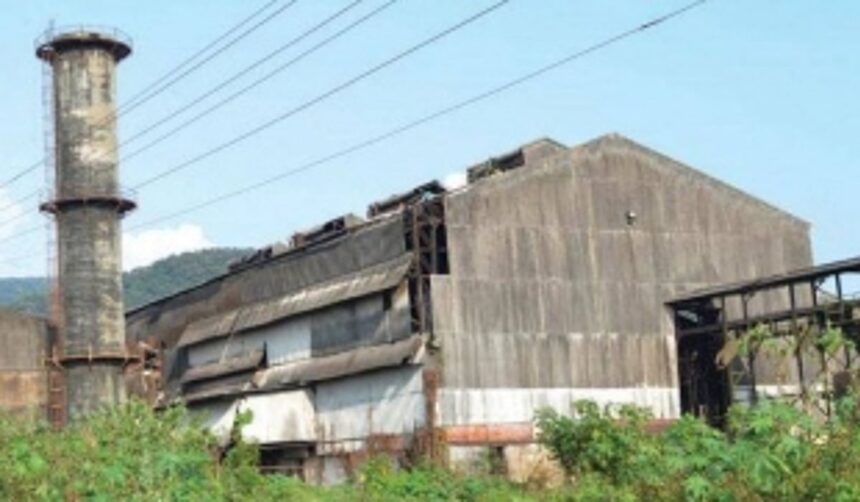
PANJIM: With the number of sugarcane cultivators reducing to one-third and the production reduced to its lowest, the Ethanol blending plant at the Sanjivani Sugar Factory land will hardly benefit Goan sugarcane farmers. Both sugarcane and sugarcane farmers have completely dwindled, especially after the biggest buyer of sugarcane in Goa, the Sanjivani sugar factory shut down.
Sugarcane farmers have said that the produce in Goa is presently the lowest and further decreasing due to the apathy of the government. Farmers allege that land of Sanjivani is being given to the PPP project which will not provide any benefit to the Goans.
The Public Private Partnership (PPP) department through the Agriculture department has floated a Request for Qualification (RFQ) for the ethanol blending plant at the Sanjivani Sugar Factory. The government after closing down the five-decade-old Sanjivani factory said that the Ethanol blending plant was planned to support the sugarcane farmers of Goa who had no takers for their produce all of a sudden.
After initially sending their produce to the sugarcane crushing factories in Khanapur, Karnataka several farmers have given up the crop and are now growing areca nut and coconut in their land. The number of sugarcane farmers has reduced from 2,800 to a mere 800 farmers across Sanguem, Quepem, Canacona, Dharbandora, Sattari, Bicholim and Pernem talukas.
The production in Goa has plummeted from 50,000 metric tonnes to 8,000 to 12,000 metric tonnes after the Sanjivani was closed. The farmers also shifted to other crops after the government urged the farmers to do so assuring that they will use their sugarcane produce in the Ethanol plant in the next five years.
Chandan Unandkar, a sugarcane farmer from Sanguem said, “The government asked us to shift to other crops, and then the department denied assured financial support which is destroying the morale of the farmers. Many have shifted to other crops now. The government will go on to blame the farmers in the future for the closure of the plant,” he said alleging that the government only wants to usurp the Sanjivani land.
Unadkar said, “The tender (in this model) is bound to be won by some outsider and he is surely going to get sugarcane and raw material for running the ethanol plant from some places outside Goa.”
According to Unandkar, there is very less sugarcane production in Goa. The cane will ultimately be brought to Goa from other States, which destroys the purpose of having the plant in Goa.
Francisco Mascarenhas alias Ayetin, a senior sugarcane farmer said, “We had agreed for the plant wherein under PPP the government was supposed to support the manufacturer with finances and land in exchange of support to the sugarcane farmers. The farmers agreed. But now the production is very low,” he said.
“It looks like the sugarcane cultivators will be ultimately sidelined. The plant may have to be fed by sugarcane from other neighbouring States” he said.
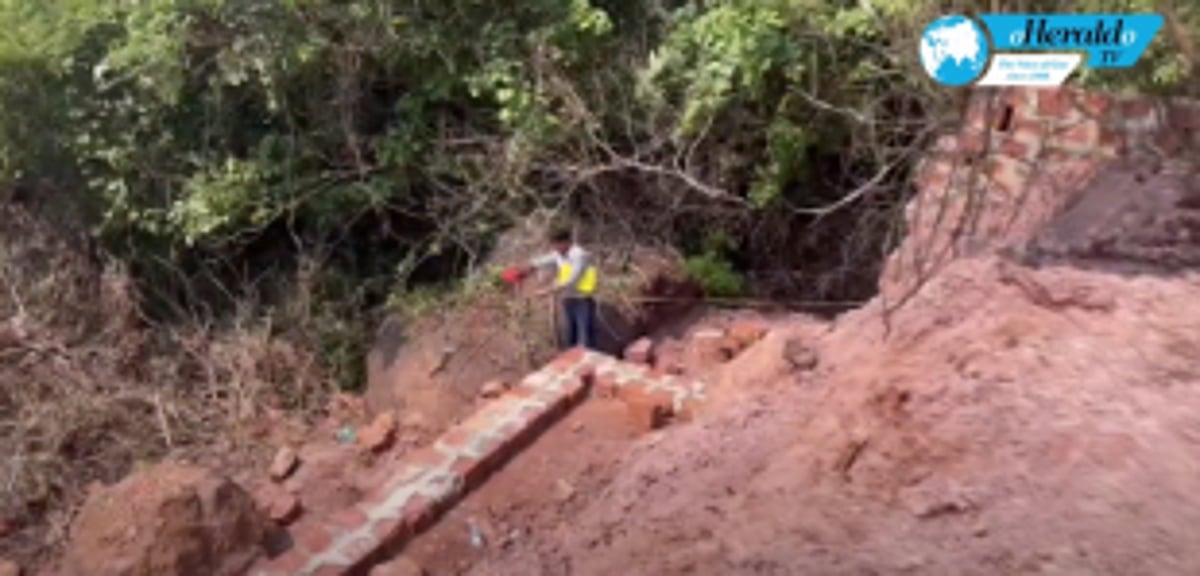
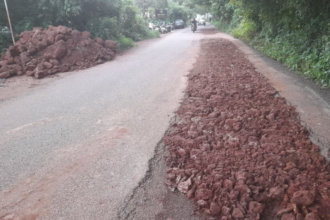
Almost six lakh square metres of land of the Sanjivani Sugar Factory has been given for other purposes. Some of the land has been encroached on and mined for laterite stones too. The government is all set to give another stratum of land to the ethanol plant with no clarity on the benefits that the cooperative farmers will derive from this project.
Director of Agriculture Neville Alphonso agreed that the State does not have sufficient production of sugarcane. “Other agriculture products like the unconsumed cereals that are lying in government warehouses can be used for ethanol production,” he said.
However, with reduced production and no awareness being created among the sugarcane cultivators the ethanol plant may end up serving the neighbouring States, farmers feel.