Asmita Polji
asmita@herald-goa.com
PERNEM: New-fangled construction techniques and a labour force abundance have slowly but surely phased out local Goan masons, who were once in much demand across the state. During their glory days, they would double up as architects and contractors, too, and were virtually indispensable due to the quality work they’d produced at very affordable prices.
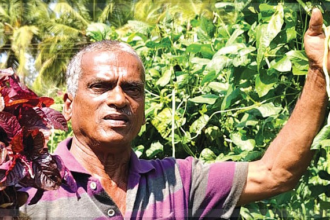
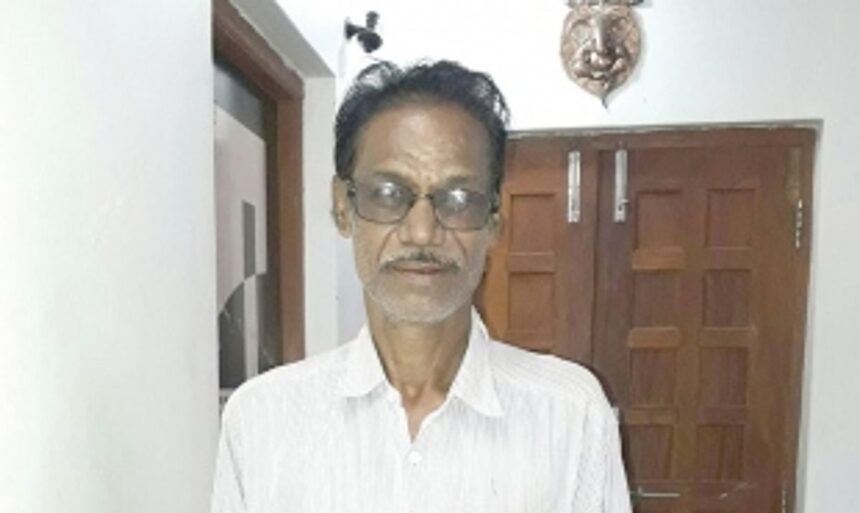
Old-timer Ramesh Anant Sawant looks back on those days fondly. Hailing from the Pernem taluka – considered to be the cradle of local masonry – the 69-year-old Mandrem resident recalls how he’d travel from his village to distant places such as Margao, Colva, Marcel and Ponda just to complete work contracts. Such was the demand for masons from Pernem, a community that chose not only to capitalise on the profession but also to specialise in it at a time when education and better job opportunities were hard to come by.
All of 13 when he took his first steps in the field, Sawant recalls how he and his seniors would have to walk 10-15 kilometres each day just to get transport for their onward journeys. “Sixty-five to 75 years ago, inadequate income and education forced the people of Pernem to look beyond their taluka if they were to eke out a decent living,” he says. “The only route out of Pernem then was the Siolim ferry that used to depart at 7am sharp. As a result, people from Mandrem, Keri and other parts of the taluka had to walk for almost three hours each morning if they sought to catch the ferry.”
The struggle was real. For all the effort to travel to their destinations and then engage in hard labour, seasoned masons were paid Rs 4.50 as daily wages while helpers got Rs 3.50. What’s more is that these payments weren’t released by the concerned employer until work was complete in all respects.
“But today, along with a fast-moving world, people want everything to be done quickly and urgently, and are willing to pay any amount. There is, therefore, quantity but not quality. During our time, producing quality work was extremely important. In fact, the mason would design every minute area of the project himself. Sadly today, contractors don’t even use quality material. So, one can forget about expecting creativity,” Sawant says.
Although he started out as a helper during his teens, Sawant began taking on professional contracts of designing and constructing homes in several parts of the state by the time he was 20. He built more than 50 houses not only in Goa but also in parts of Maharashtra during his 55-year-long career.
Sawant laments that the Pernem taluka, which once abounded with local masons, is now home to just 25% of them as many from the community have either taken up other businesses or retired. Lack of government support hasn’t helped their cause either. Neither has the influx of migrant masons, who have virtually taken over the profession.
“Then there is also the need for a status symbol,” he says. “Today’s generations are not keen on masonry as they find it to be a demeaning job. Instead, they pick professions such as designing and architecture. Sadly, they will not understand the quality of work Goan masons used to produce in the good old days.”