Erwin Fonseca
RIVONA

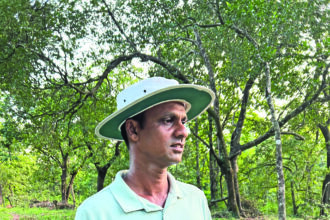
Far from the hustle and bustle of slowly urbanising Goa lie remote, quaint and historic villages that have transcended generations and development. Among them is Rivona in Sanguem, known for its ancient temples, caves and a gurukul that continues to function even today. The village is also home to ancient farms known as ‘kulaghar’, with one such farm, managed by Pandurang Patil, offering a glimpse into traditional farming practices.
While farming has undergone a sea change, these ancient farms continue to thrive. Patil, who owns the ‘Rishivan Farm’ kulaghar, has carved a niche by successfully managing it with modern technology — a case of “where East meets West”.
A trekker, sailor and former corporate employee, Patil has adventure rooted in his blood and enjoys exploring new ideas and incorporating them into his farm. As a sailor, he is involved in private sailing from Dona Paula to Vasco and other places. As a trekker, he was a founder member of Eco Treks and has climbed the Himalayas several times. His corporate career with a high-profile company also helped him build the financial backing required to invest in his farm.
Patil inherited the family kulaghar, where he recalls trees that existed since his grandfather’s time. However, it was only during his student days that he began taking a serious interest in it. Now in his sixties, Patil says the past 40 years have been dedicated to improving the family farm.
“Before 20 years it was not something serious for me, but from my early twenties till now I can say that I have been focused and dedicated towards my farm or kulaghar welfare. Even when I was working, I would wake up early, spend time in the kulaghar and then go to work. That’s how I could create a financial backup to invest in my kulaghar. If one thinks of pumping back into the farm the earnings obtained from the farm, then it is not possible and may result in losing time. Only if one has some financial backing can one progress ahead in farming,” he says.
According to Patil, the concept of the kulaghar was that of a self-sufficient farm that helped families sustain themselves during the monsoons.
“In ancient times, modes of transport were less because roads were less, and this, coupled with heavy monsoons, especially in forested areas, was an impediment for people to move out. So such self-sustaining farms known as kulaghars were born, on which one could bank entirely during the monsoons, as they were supposed to contain a variety of trees of normal use,” he says.
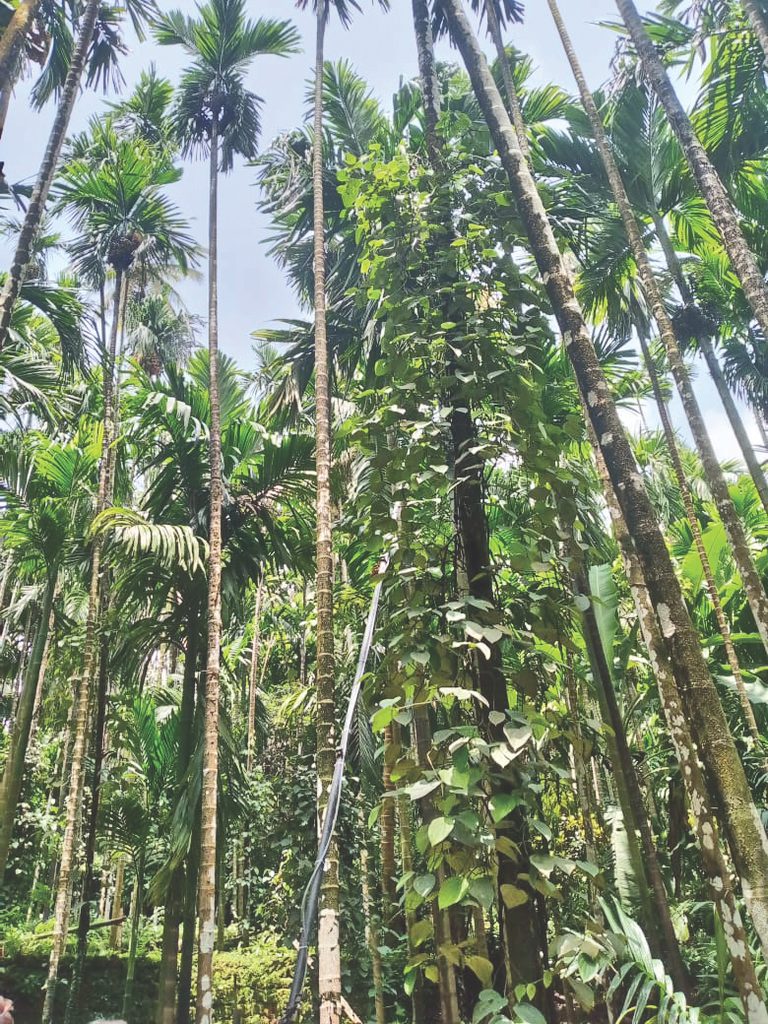
Patil claims to have around 5,000 betel nut trees in his kulaghar, besides a few cocoa plants and several spice and fruit plants, including nutmeg, pepper and banana. He says the income from betel nut alone is enough to make him happy and that the hard work put into the kulaghar pays handsomely.
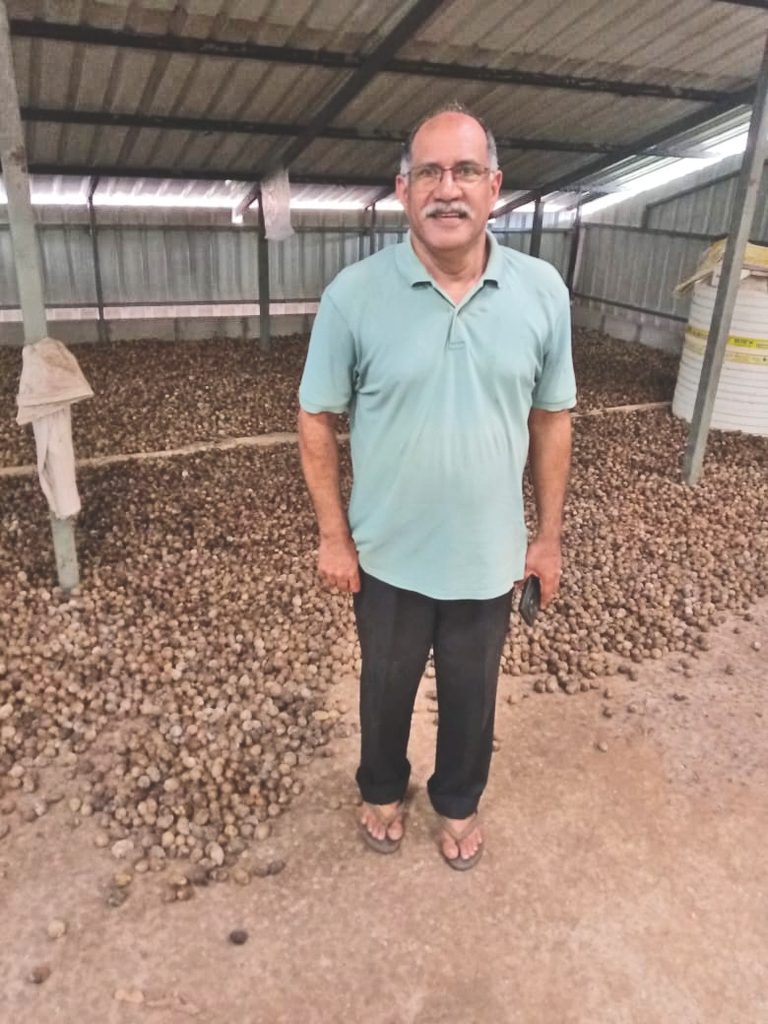
“There are around 5,000 trees and every year we replace the old ones. A betel nut tree lives for about 40 years and in one season can, on an average, yield about 2 kg betel nut. The trees I have are Mohitnagar variety, having a good market demand. Betel nut is a crop which has a high market demand and still Goa is lagging behind in betel nut cultivation as compared to the market demand. We need to increase betel nut cultivation,” he says.
Citing scorching sunlight as a major threat to betel nut trees, Patil says they should preferably be cushioned with other trees to protect them from direct sunlight. He also identifies the monkey menace as another threat to successful farming.
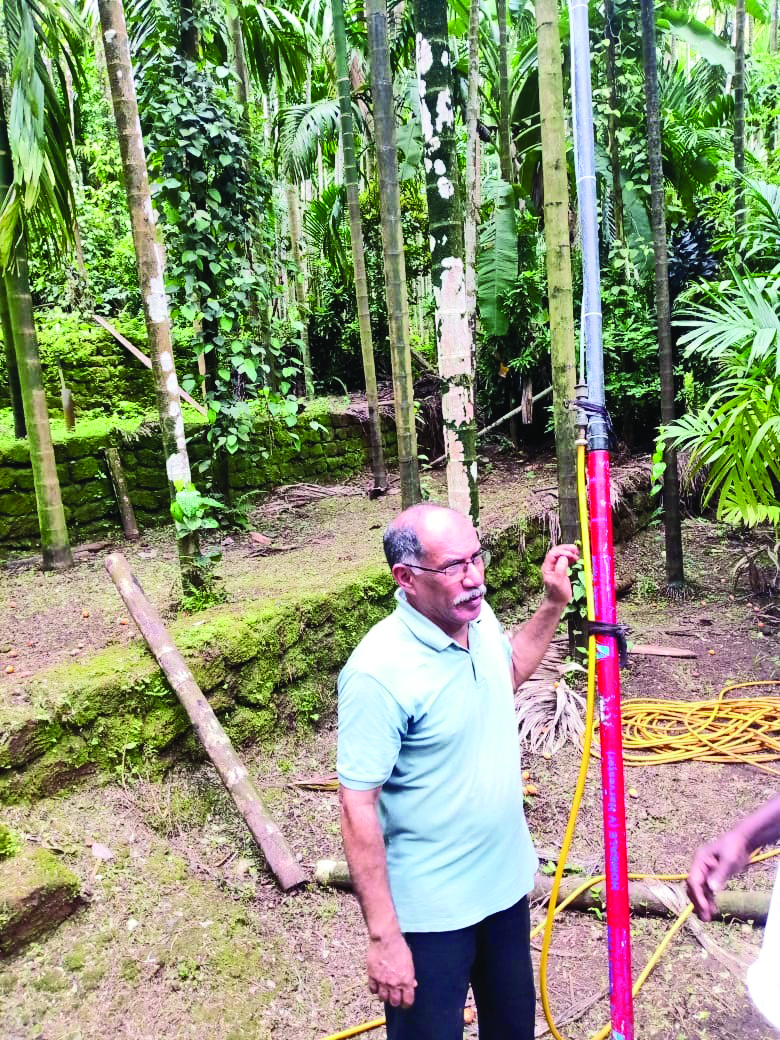
With long pipes to spray the betel nut trees, Patil has also equipped his farm with modern machinery to create products from nutmeg, pepper and coconuts. Having explored various ways to upgrade his farm and make it market-oriented, he says managing the kulaghar is not merely about maintaining it but also about carrying forward his family legacy.
“Though I inherited it, let me say that I have carried out many changes and brought about an upgradation of the place. It’s a family legacy that I need to maintain and take to new heights. We devote time to all plants daily and make sure we give quality time to our plants and trees, as it’s only with this that they can yield better,” he concludes.