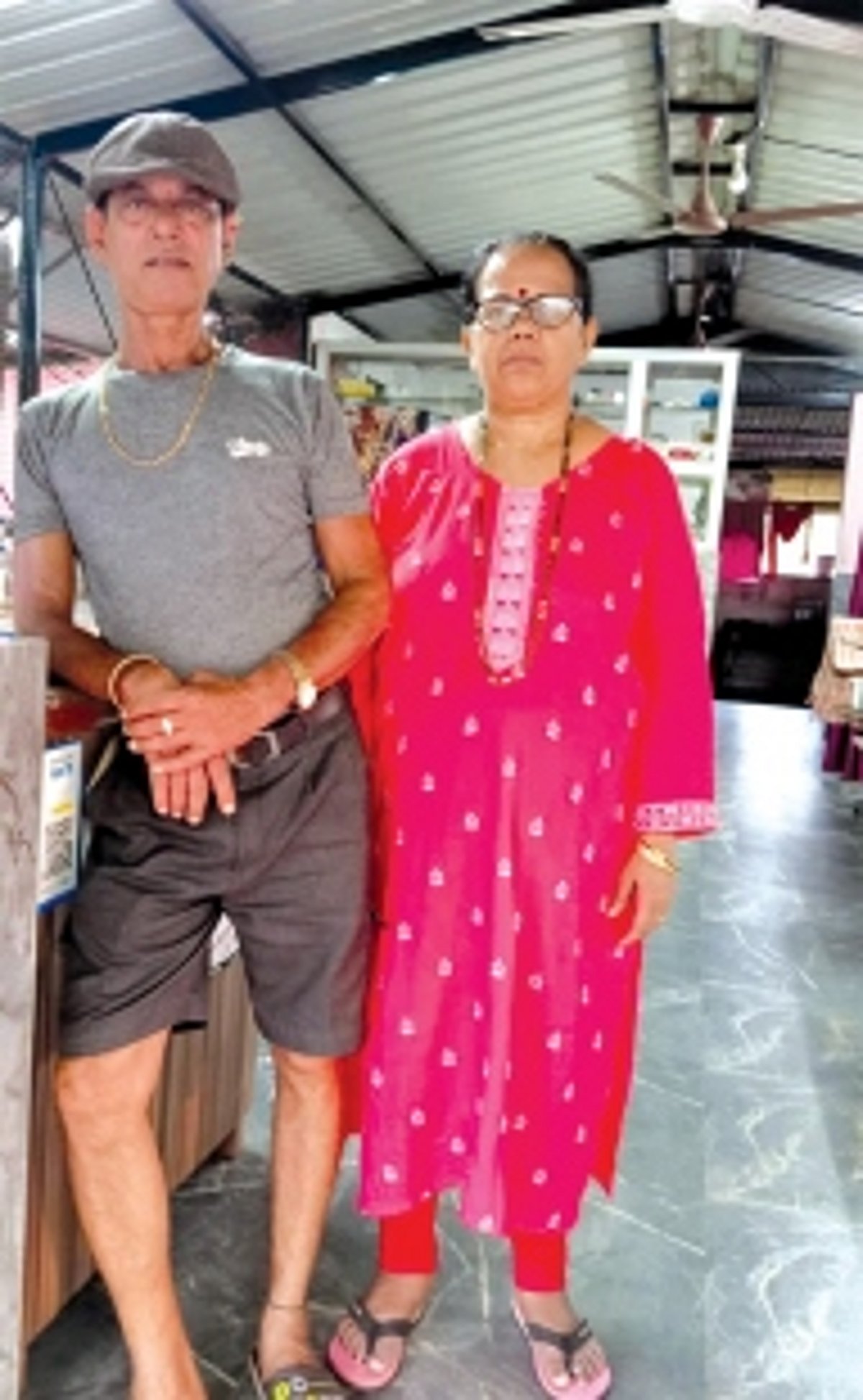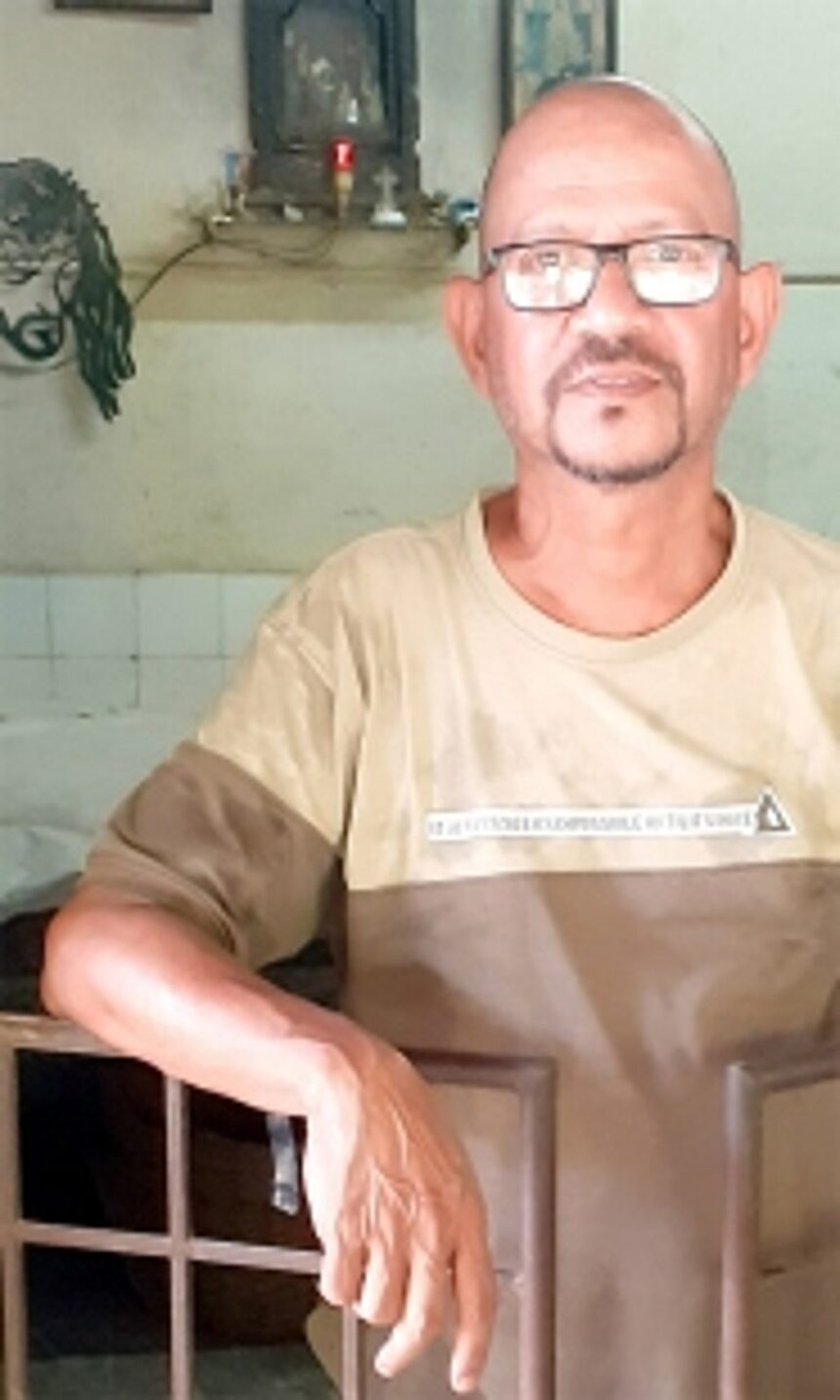
PANJIM: Epifanio Braganca, who runs a bakery which was started in 1857, is a much sought after baker in the Chicholem- Bhatulem area of Panjim. Scores of people make a beeline to buy his hot bread churned from his wood fired oven where he makes bread the traditional Goan way. The bakery was originally started by someone else and then taken over by his dad Isidore Braganca, who passed it onto Epifanio’s sister and brother-in-law.
“It was after the death of my sister and brother-in-law that I took over bread making in 1997. We traditionally made bread using toddy supplied by toddy tappers from the vicinity. But now that toddy is scarce, we use yeast,” explains Epifanio.
Besides their own baking, Epifanio also reaches out to others especially during feasts and family functions. “We only make bread; no packed items since they attract GST. However, if people want to bake cakes, including Christmas cakes, batika or bolinhas for functions and feasts, we do it for them,” Epifanio adds.
STAFF AND SALES: Epifanio employs three workers to knead the dough and help him with
the baking.
Epifanio’s wife cooks for the family, looks after the house and helps with selling to customers, most of whom come to the bakery to pick up their bread, which starts after 1 pm. In addition, he has two workers who go around on cycles vending bread to nearby areas. Earlier, Epifanio used to supply hotels, restaurants, and establishments, which he has now stopped.
ECONOMICS OF BREAD MAKING: Epifanio narrates that it is mostly Goans who prefer the traditional wood fired oven baked
bread. “But most Goans are now migrating. Outsiders mostly
buy readymade rotis, parathas,” Epifanio rues.
Asked whether it is profitable for him to sell bread at Rs 5 per piece, he says the input costs are high. A 50 kg bag of maida costs Rs 2,050. Another type of maida which is mixed with the first type, costs Rs 2,200 per bag of 50 kg. A truckload of wood which is mostly sourced for Dodamarg costs Rs 21,000. “Storing the wood is a big headache. The cost of rock salt is Rs 1,200 per 50 kg bag. Plus there is the cost of the yeast. Hence, baking bread does not provide big profits,” he says.
FUTURE PROSPECTS: Epifanio worries that the future of this age-old profession of bread making which was brought to Goa by the Portuguese, is bleak. He said that his children will not carry on with this profession since it is not lucrative. He points out that many traditional wood fired bakeries in Goa are being rented out to outsiders. “There are two bakeries in Chicholem which have been leased out to outsiders. All bakeries in Merces
have been leased out. It is also difficult to get the forest passes to bring the firewood from Dodamarg,” he adds.
Asked about using electric ovens to make bread, Epifanio says, “The bread does not bake properly on the inside and only turns brown on the top. It is very different in taste from the bread we bake in traditional ovens.”
“The government subsidies are laborious due to the paperwork and it appears that the scheme for subsidies has been discontinued. Unless the government steps in, simplifies the procedures and reinstates the subsidies, traditional bakeries and Goan bread may altogether disappear from our plates,” he rues.