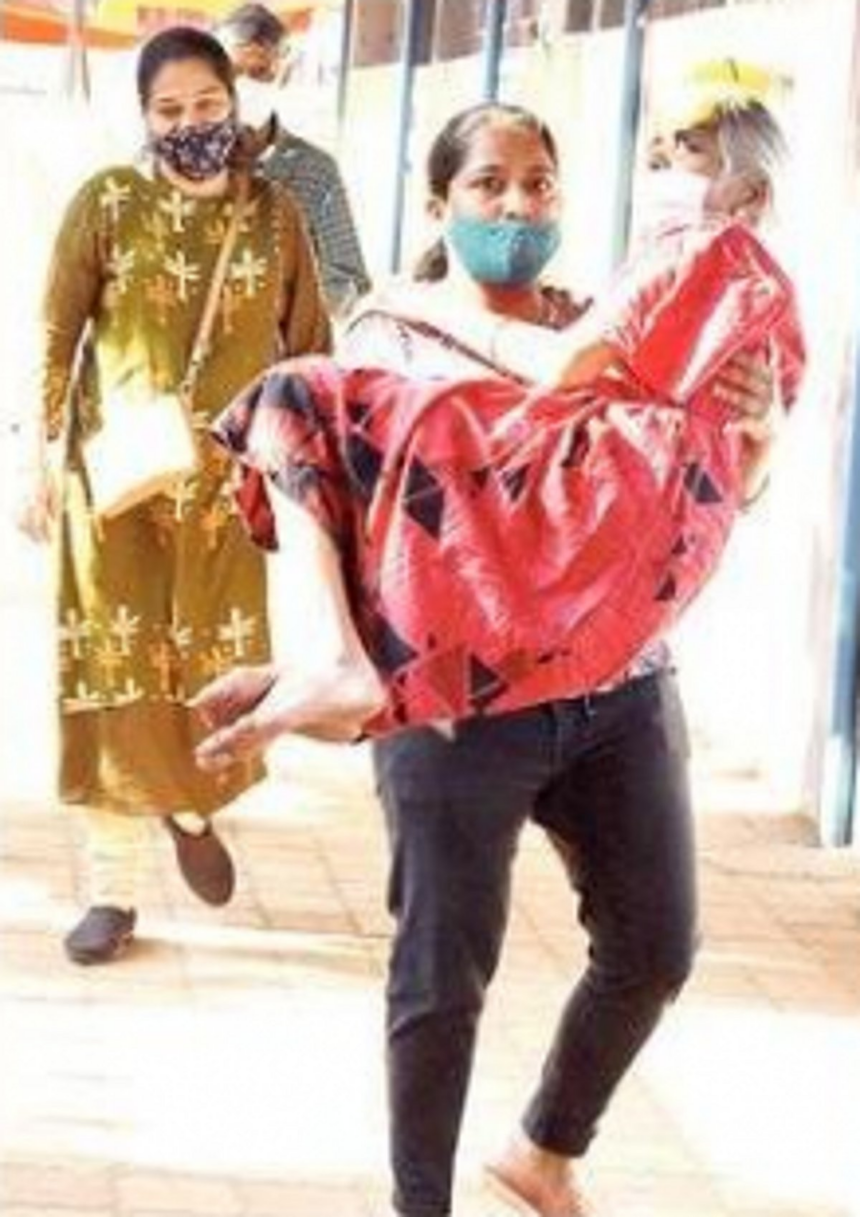
The next few days, you will be drowned by the noise of seats, secret deals, and everything else that goes into the formation of the government. But is anybody thinking about governance? Of the kind of government Goa needs? Are elections only about getting candidates elected after which people have no control? Is it only a process to give power to a few and to rule us and not serve us?
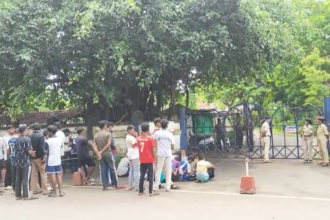
Most importantly, will the new government think of the women in the picture and work to serve them, by taking people in their hands, as a daughter takes her mother to vote?

And importantly we need to ask if the press is truly fulfilling its duty or weakened its position as a watchdog of democracy
As part of this exercise, self-introspection is needed of us as a society and all the pillars that govern a democratic society, the executive, legislature, judiciary, and the press. The press has squarely abducted the role of an independent watchdog, in many parts of the world and in our country and become lapdogs. Legacy institutions have had to defend themselves. On the other hand, there have been all-out attrition between President Donald Trump and media chains, including the New York Times and CNN, with the President weighing heavily on them stating they are purveyors of fake news as opposed to Breitbart and One America News Network.
In India, The Republic network had to face ignominy at the hands of a Portuguese panelist discussing the Russia-Ukraine crisis. The panelist told Arnab Goswami of the Republic, “I would like to ask you to de-escalate your language. You are speaking in very hyper-tense words and you’re using very emotive language. You interrupted a speaker in a brutal way, which is not helpful in the exchange of opinions. I am shocked that your editorial position is so prejudicial towards the ongoing crisis.”
As elections end, governance must begin. And to shape it, monitor it, report it, comment on it, and course correct it, the media has to play an intense, involved role without sitting on the fences but shaping a people-centric narrative. The fourth pillar cannot be a distant pillar but an involved one, it cannot be paid one but a powerful one. And to shape Goan society and the governance it seeks and deserves the media must be a part of the exercise as a stakeholder and not a fence sitter.
By the time the new government settles down, perhaps by March 20, thoughts must turn to three major priorities.
See corruption like a pandemic and launch an all out counterattack
Strengthen institutions like the Lokayukta with real powers of direct investigation, power to charge sheet and take the accused to court, an independent investigative and not a mere recommendation giving exercise.
Remove any scope of political interference in administrative posts in the police or civil government
The power to transfer should be taken away from the cabinet or ministers and leave it in the hands of a department mechanism. Give the police a free hand to do basic template policing and let them show results. In turn, promote merit and punish slack, lethargy, and corruption.
Direct governance to the protection of Goa’s identity, culture, land, and environment
Each and every people’s agitation, from the movement against double-tracking, the expansion of the highway, or the Major Ports Act, mega projects on fragile lands, hill cutting, ODPs in village areas, etc.
Encourage self-employment, skill development, international training
The government cannot provide jobs after jobs. Not only will it be a drain on the exchequer, but it will also lead to dependency on government jobs and not on skill sets. The state must bring in experts from different practical fields to come and do entrepreneurial and other training to allow Goans with manufacturing or other creative skills to create products which can be exhibited and sold. The imbibing use of soft skills of foreigners to be converted to a society of enterprise is what the government can encourage to do.
Goa and its people cannot be taken for granted. At least by the people, who have been given the opportunity to govern. Governance must be all-round, people-centric, and forward-looking. The big question is, which formation will embrace this not as a compulsion (which it is) but an opportunity to give real meaning to the word ‘serve’.
The government needs to like a daughter who will carry her immobile mother and exercise her power of voting. And put this iconic picture, captured by the Herald photographer on their office walls.