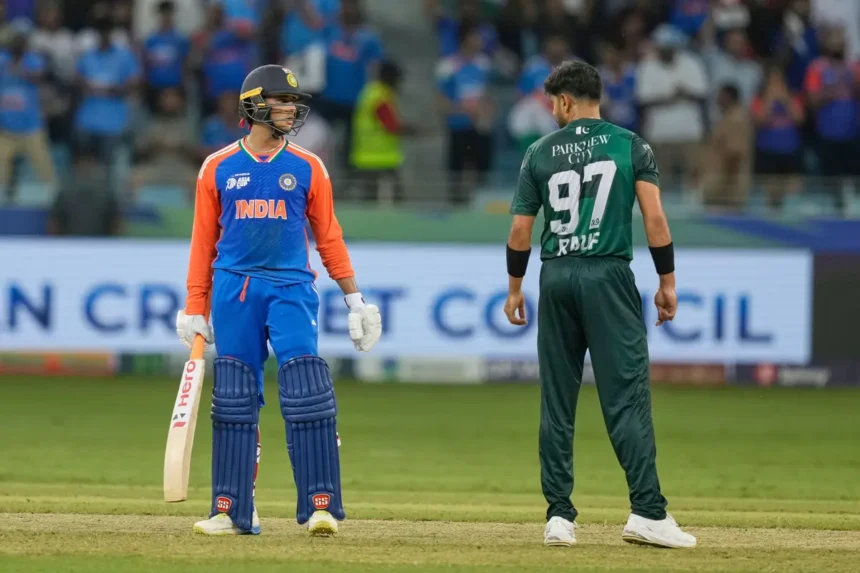
A major financial crisis was avoided after the Pakistan government reversed its earlier position and cleared the national men’s team to face India in the 2026 T20 World Cup. The high-profile encounter, scheduled at Colombo’s R. Premadasa Stadium, remains one of the most anticipated matches of the tournament and a key revenue generator for global cricket.
Government reversal ends uncertainty
The decision came just days after Pakistani authorities had suggested that the team would not receive permission to play the India fixture, despite being allowed to participate in the rest of the competition. Pakistan Prime Minister Shehbaz Sharif had also publicly indicated that the team might skip the match in support of Bangladesh, creating uncertainty around the marquee clash.

However, extensive back-channel discussions involving the International Cricket Council (ICC), the Pakistan Cricket Board (PCB), and the Bangladesh Cricket Board (BCB) eventually helped resolve the impasse. Following these negotiations, the PCB confirmed Pakistan’s participation, bringing clarity to the situation and ensuring the much-awaited contest would proceed as scheduled.
Huge financial stakes for global cricket
The reversal carried significant economic importance. India–Pakistan encounters are among the most commercially valuable fixtures in world cricket, drawing massive television audiences and generating substantial income through broadcasting rights, advertising deals, sponsorships, ticket sales, and merchandise.
Industry experts estimate that the cancellation of the match could have resulted in losses of nearly $250 million for the ICC and its commercial partners. There were also concerns that refusing to play might have triggered disciplinary action against the PCB, including a possible reduction in its ICC revenue share, which could have affected Pakistan’s domestic cricket ecosystem.
By confirming participation, Pakistan not only protected its own financial interests but also ensured that broadcasters, sponsors, and tournament organisers avoided major economic setbacks, preserving the tournament’s most lucrative fixture.