During this festive period, there was one emotion shared by hundreds of Goan families across the state – the joy of welcoming their loved ones, who, for months prior, had roamed the vast expanses of this Pale Blue Dot as Goa’s unofficial ambassadors to the High Seas.
There, they toil and work long hours — in lands and waters unknown, they do what it takes to give their families back home a decent living. Colloquially called ‘shippies’, they form an integral part of the Goan community worldwide. Also, as ‘tarvotti’, they’ve been immortalised in myriad tiatrs and cantaram. No wonder, then, that Christmas in Goa is rarely merrier than in the house of a family whose son has finally returned home.
For fifteen days, this month, Goans will get to see these sailors the way they’ve never been seen before — as muses in a visual art project. Christopher Pereira is a Goan photographer based in London, and has always been fascinated by what could make a man leave his home, his family, and his culture for months and even years at a time.
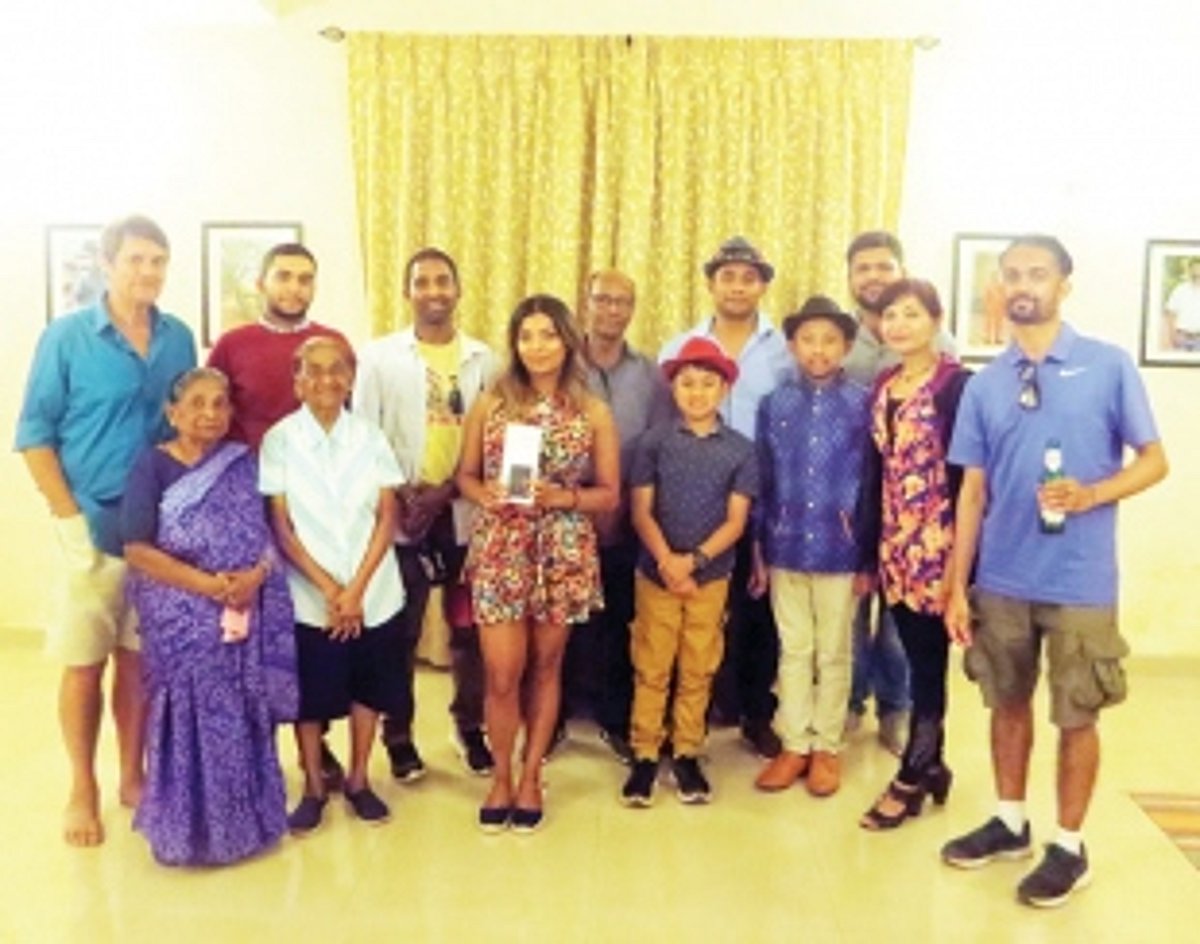
So, three years ago, he began work on clicking portraits of ‘The Shippy’s’. At ‘Tatva’, in the little hamlet of Corjuem in Aldona, these photographs will be on display till January 24, 2018. Some sailors at this exhibition are in full work gear, some are relaxing in their gardens at home, some smiling and some not.
But behind these faces is a story rarely told — that of loneliness, anxiety and depression. How does the life of a man change when he moves from a community-centric Goan upbringing to suddenly having to spend months on a ship with nothing but water, coupled with the unpredictability of the sea? These aren’t questions most shippies would elaborate on, instead relying on tropes like “A ship in harbour is safe, but that is not what ships are built for”.
But dig a little deeper, and there’s more to this than meets the eye. These are men who’ve missed most key events in the lives they care about — their baby’s birth, their child’s first words or first steps, the twilight days of their mothers and fathers. Sometimes, it could be other, simpler facets of Goan culture they’ve long been away from — attending the vespers the day before the village feast, the tiatr the next day in the church courtyard, or even just screaming in support of their local football team at a nearby match.
These are the untold stories of thousands of young Goan men, especially from the Velha Conquistas of Salcete and Bardez. For many of them, the pressure to succeed is immense. The huge weight on their shoulders isn’t confined to their work on the sea, but also, in many cases, raising the lot of their families. A simpler struggle is arriving in Goa in December and adjusting to the sudden change in lifestyle, taking in the merriment, being pampered by family, uncles and aunts, enjoying the dodol and the bebinca, midnight mass and then the Christmas waltz. But soon enough, all this ends, and it’s time to return to a tough life away from everything that’s known and familiar.
These are some of the issues Pereira attempts to address. In a way, his presentation is a microcosm of a larger setting, on how people deal with their personal issues while at the same enjoying their life and preferred lifestyles. “Every time I am down in Goa, we go out and have a good time with these guys,” Pereira said at the launch of the exhibition on Wednesday. “I was not sure how they would react to being photographed, using their experiences as the idea of the exhibition.”
Collaborating with Tatva, a multidisciplinary psychological wellbeing centre that is hosting this exhibition, the project is being used to raise awareness for mental health and depression, including the treatment and support available for it in Goa. After all, it was Pereira’s encounters with friends suffering from depression in London that led him to his project in the first place.
Tatva is run by David Stanton and Kripi Malviya and is one of a handful of international residential psychotherapy and recovery communities in the world managed by mental health professionals. The location and atmosphere of Tatva’s base, a small residential facility, encompass and compliment their therapeutic approaches and ideals.
David started his career in mental health in the UK over thirty years ago, in a community-based project giving counselling, advice and information. For the past 19 years, he has been an international psychotherapist, supervisor, trainer, lecturer, consultant and coach. He has helped establish and manage a number of non-profits, private, community and residential mental health services in Europe, Africa and Asia. Kripi is a psychologist, experiential psychotherapist and advocate with a Masters in Clinical Psychology with an International Certification in Addiction Counselling and Training. She facilitates addiction treatment and general mental health training workshops in the South Asian and South East Asian regions, including Bhutan, Afghanistan, Sri Lanka, Malaysia and Thailand including her role as a Regional Resource Training Coordinator in India.