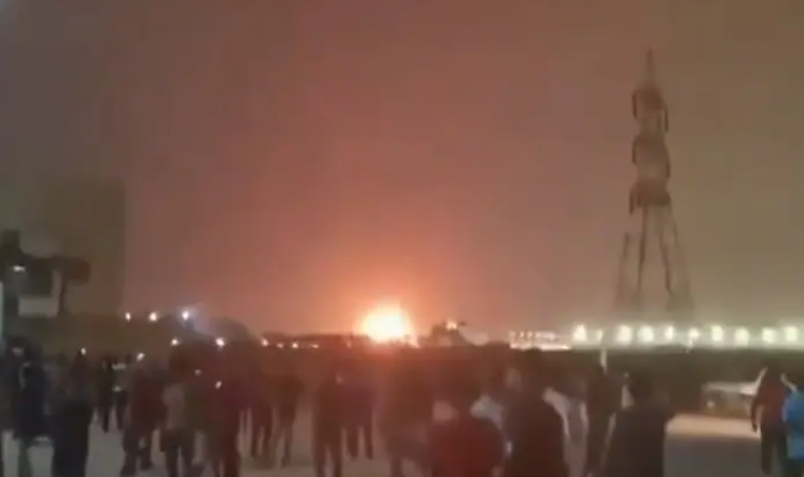
Global oil and gas markets have been thrown into fresh uncertainty after Iran launched a missile strike on Ras Laffan, Qatar’s largest liquefied natural gas (LNG) facility, forcing a complete shutdown of production at the site.
The attack marks a sharp escalation in tensions across the Gulf, which has emerged as a key battleground in Iran’s retaliation following US-Israeli strikes that ignited the ongoing Middle East conflict. Tehran has increasingly targeted both US-linked assets and critical energy infrastructure, drawing strong reactions from the region’s oil- and gas-rich nations.

Ras Laffan, recognised as the world’s largest LNG hub, plays a crucial role in global energy supply. Its shutdown is expected to have ripple effects across international markets, particularly as Qatar remains one of the top LNG exporters alongside the United States, Australia, and Russia.
This is not the first such disruption. Earlier in March, Iranian missile attacks on Qatari gas fields forced state-owned QatarEnergy—the world’s largest natural gas exporter—to suspend operations temporarily. Those strikes were reportedly carried out in response to an Israeli attack on Iran’s South Pars gas field, part of the largest known natural gas reserve globally.
With repeated strikes now affecting key infrastructure, concerns are mounting over prolonged supply disruptions and increased volatility in global energy prices.
(This story is published from a syndicated feed)