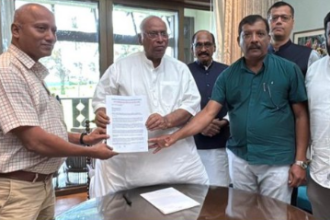
A suspected case of water contamination has triggered a diarrhoea outbreak in Dabolim, Goa, affecting more than 140 residents within a week. The cases were reported from a residential complex, where several individuals, including children and elderly residents, complained of vomiting, dehydration and severe abdominal pain. Some cases required hospitalisation, prompting swift action from health authorities. Officials carried out door-to-door surveys and collected water samples from multiple sources, suspecting contamination in the supply. As of now, according to government officials, the situation is under control, with precautionary measures in place and water usage being closely monitored.
What is Diarrhoea and How It Affects the Body
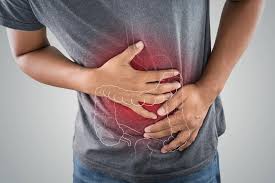
Diarrhoea is defined as passing loose or watery stools three or more times a day. It occurs when the digestive system speeds up, preventing the large intestine from absorbing enough fluids. As a result, excess water is passed out of the body, leading to dehydration if not managed properly.

The digestive system includes the stomach, small intestine and large intestine, along with organs like the liver and pancreas. Normally, food is broken down in the stomach and nutrients are absorbed in the small intestine. The remaining waste then moves to the large intestine, where water is absorbed before being excreted. However, when the intestines are irritated—due to infections, contaminated food or water, or other health conditions—this process is disrupted, causing diarrhoea.
Precautions and What to Do
To stay safe, always drink clean or boiled water, maintain proper hygiene and avoid contaminated food. If diarrhoea occurs, it is important to stay hydrated with water or oral rehydration solutions (ORS), eat light meals, and seek medical attention if symptoms persist or worsen