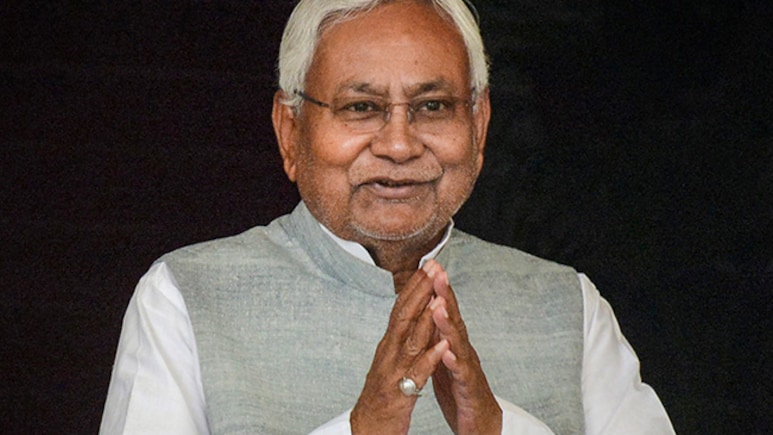
The resignation of Nitish Kumar as Chief Minister of Bihar represents a significant restructuring of the state’s political order. After chairing his final cabinet meeting and formally submitting his resignation to the Governor, Kumar concluded one of the longest tenures in Indian state politics. His move to the Rajya Sabha marks a transition from executive governance to parliamentary responsibilities at the national level.
The Bharatiya Janata Party (BJP)-led NDA is expected to form the next government, with Samrat Choudhary emerging as the likely successor for the Chief Minister’s post. This leadership change suggests both continuity within the alliance and a generational shift in Bihar’s political leadership structure.

Kumar’s remarks following his resignation stressed cooperation with the incoming administration and reiterated his government’s long-standing emphasis on governance stability, development initiatives, and administrative reforms. His departure also reflects a broader pattern of coalition recalibration in Bihar politics.
The transition is notable not only for the leadership change but also for the symbolic end of an era defined by Kumar’s repeated electoral mandates. The next phase will test the NDA’s ability to sustain governance momentum while adapting to new leadership dynamics in the state.