PONDA: A worsening water crisis in Bethora has sparked a parallel public health concern, with around ten suspected dengue cases reported from parts of the area, forcing residents into a precarious choice between securing water and safeguarding their health.
Despite government efforts to supply tap water, several localities in Bethora continue to face acute shortages. The crisis has led residents to store water in open utensils received from tankers—creating breeding grounds for mosquitoes and fuelling the spread of dengue. Yet, with water a basic necessity, many residents appear unwilling to heed health advisories, turning one crisis into another.

The suspected dengue cases came to light when patients sought treatment at private facilities and the Sub-District Hospital. Health sources said the patients recovered within a few days, but concerns persist over unsafe water storage practices.
Health officials, including Health Officer Dr Smita Parsekar and Sanitation Inspector Manoj Naik, have been actively monitoring the situation and conducting awareness drives over the past week. However, officials admit it has been a “tough task” to persuade villagers to avoid storing water in open containers or to cover them properly. Even fogging operations have failed to yield the desired response.
Areas such as Ashewada, Dattagarh, Padal and Vaidyanagar—where the suspected cases have been reported—remain under scrutiny. Many of these localities, located near the Bethora Industrial Estate, house a large migrant workforce. Dattagarh, in particular, is densely populated, with working-class residents living in rented accommodation. Notably, the same region had reported over 15 suspected dengue cases four years ago.
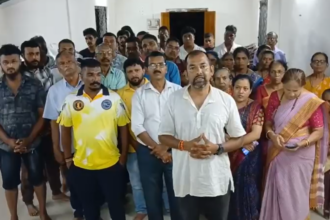
Tensions have escalated on the ground, with residents refusing to allow health staff to empty water stored in barrels and utensils. “Their taps are dry, they depend on tanker water, and if it is not stored, how will they survive in the scorching heat?” locals argued, leading to disputes with officials.
Health authorities have intensified awareness campaigns in the Dattagarh–Bethora belt, but residents continue to resist, citing irregular and insufficient piped water supply that forces them to incur additional expenses on tanker water.
Locals have placed the onus on the government, stating it is responsible for ensuring a consistent water supply to the growing population in the industrial belt. They have urged the Bethora Panchayat and PWD Minister Digambar Kamat to take urgent and serious steps to resolve the issue.
The PWD water supply Assistant Engineer could not be contacted for comment.