Two Indian nationals aboard a cruise ship have reportedly tested positive for hantavirus, prompting brief concern, but health authorities have clarified that there is no immediate public health threat to India.
Dr Naveen Kumar, Director of the ICMR-National Institute of Virology, said the cases appear to be isolated and there is no evidence of community transmission. “The reported hantavirus cases appear to be isolated ones and there is no immediate public health threat to India,” he said, adding that human-to-human spread is extremely rare.

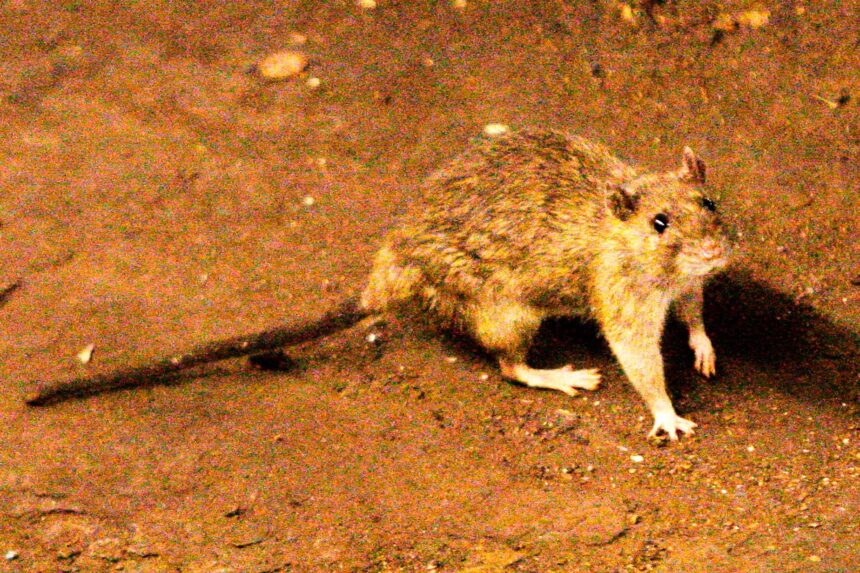
According to health experts and the WHO, hantavirus infections are generally linked to exposure to infected rodents rather than person-to-person transmission. The virus spreads mainly through inhalation of particles from rodent urine, droppings, or saliva, particularly in enclosed or poorly ventilated spaces such as ships, warehouses, and storage areas.
WHO Director-General Dr Tedros Adhanom Ghebreyesus noted that while the situation is being monitored, the overall public health risk remains low. However, he added that more cases could emerge due to the virus’s incubation period.
Dr Kumar emphasized that hantavirus symptoms may initially resemble flu-like illnesses, including fever, body ache, fatigue, nausea, and cough. In severe cases, it can lead to breathing difficulties, low blood pressure, or kidney complications.
He also highlighted India’s diagnostic readiness, stating that the ICMR-NIV and its nationwide network of 165 Viral Research and Diagnostic Laboratories are equipped to confirm suspected cases using RT-PCR testing.
Experts further warned that environmental factors such as flooding, poor sanitation, and unplanned urbanisation could increase rodent-related disease risks. However, authorities stressed that there is currently no indication of wider spread linked to the cruise ship cases, and standard hygiene and rodent control measures remain the best prevention.