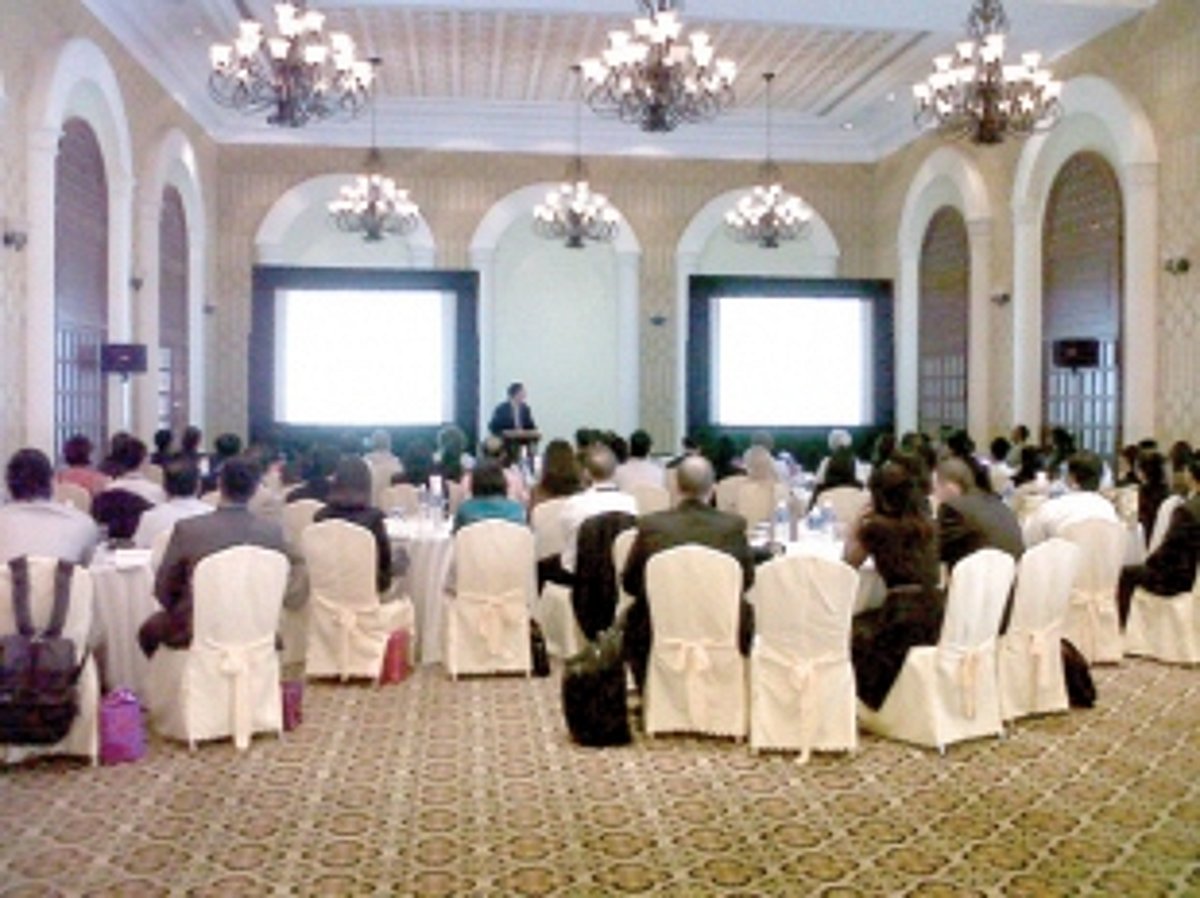
Speaking in Goa at the Ideas Conclave, Vice-President of India Venkaiah Naidu suggested simultaneous elections across the country, and included not just Parliament and State Legislatures, but even polls to the panchayats, to be held at the same time and preferably the entire process to be completed within one month. Naidu bolstered his argument for simultaneous polls by stating that currently there are elections staggered all through the year, or rather the five year term of Parliament, at different times, giving politicians little time to apply their mind to growth and development programmes. While the need is there, he said it called for a political consensus for this to happen.
The Vice-President is not the first to speak loudly and clearly on simultaneous polls in the country. Over the past few years, this subject has been broached regularly and even the Prime Minister has shown his willingness on this and former President Pranab Mukherjee said that this can be considered. But while the BJP has been keen on simultaneous polls, the political consensus that Naidu has called for may not materialise in this issue. The Opposition parties, particularly the Congress and the Left, are not in favour, with some parties pointing out to Article 356 of the Constitution that permits the Union government to dismiss a State government in the event of a law and order failure. The parties argue that this Article would have to be amended if there are to be simultaneous polls.
While this debate has been resurrected, a couple of months ago, it had been quite vocal, even gaining time on National television channels, after the Chief Election Commissioner had stated that the Commission would be logistically equipped to hold simultaneous polls by September 2018. The statement from the CEC had been in response to a specific question from the Centre on the Commission’s preparedness for simultaneous polls. This had triggered much speculation in political circles with the debate not restricted to just synchronised polls but also of the possibility of early polls to the Lok Sabha whose term will expire in May 2019.
The Vice-President’s suggestions at the Ideas Conclave could revive the debate, especially since the Gujarat and Himachal Pradesh election results will be out this Monday morning. For, while the country is focused on who wins Gujarat, there is also the possibility that this result could lead to the government taking a decision on simultaneous polls to the Parliament and Legislative Assemblies in the country.
However, the EC’s confidence of being able to hold simultaneous polls can be called into question, as the recent Himachal Pradesh and Gujarat polls took over a month to complete. While Himachal voted on November 9, Gujarat voted on December 9 and 14 and the counting for both States is scheduled on December 18. Earlier this year, the Uttar Pradesh polls were held in seven phases.
While, simultaneous polls would have its advantages, governance being one of them, as elected governments and the general administration would then be assured of a clear five years ahead to deliver without the threat of polls or any code of conduct slowing down their efforts at governing. Goa this year, that saw a string of code of conduct periods, beginning in January for the Assembly polls that lasted well after polling due to the staggered UP polls continued till March, followed by the code of conduct for the panchayat polls, and later another code of conduct for the by-polls to two Assembly constituencies is a case in point of how governance gets affected.
After One India One Tax, the possibility of One India One Poll cannot be ruled out, and the Vice-President’s endorsement has only made the possibility a little more probable.