VASCO: Antarctic research has become more difficult and expensive this year due to the ongoing Russia-Ukraine war as the global supply chain of critical equipment has been hit all over the world and research has become less collaborative, Director of National Centre for Polar and Ocean Research (NCPOR) Dr Thamban Meloth said.
“Russia has lot of presence and assets in Antarctica and the Arctic,” Meloth told Herald.

“A lot of European countries have cut ties with Russia following its invasion of Ukraine. As a result, it is significantly affecting the cooperation, which is not good for Antarctic and Arctic studies because research is highly remote and harsh environment is all about cooperation and collaboration,” Dr Meloth said.
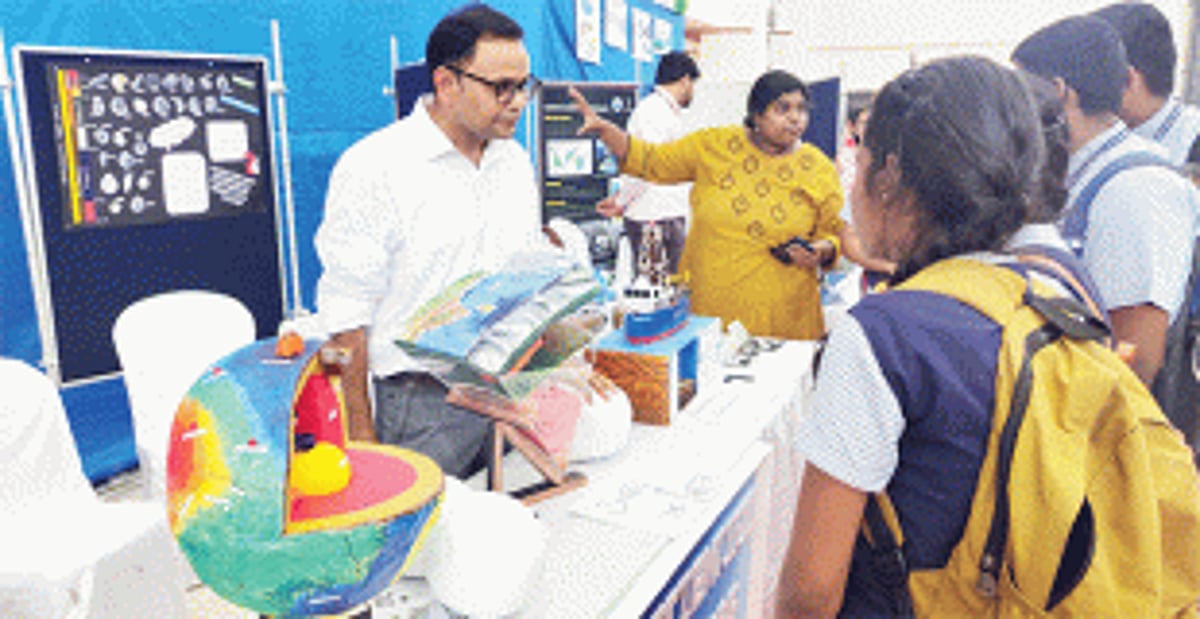
Speaking on the sidelines of Antarctica Day celebrations at the NCPOR, the NCPOR Director said that in general the ability to do major projects that require huge operational support from multiple countries is getting impacted.
“Research has become expensive because the supply chain is cut all over the world. Although it is not affecting India so much as we have friendly relations with most of these countries, it is still making it more expensive for us” he said.
The NCPOR director hoped that the animosity and war would end soon and the global collaborations on Antarctica get going once again.
Speaking about Antarctica Day, he said annually this day is celebrated to commemorate the Antarctic Treaty System that was signed in 1959, which essentially made sure that Antarctica is only used for peaceful and scientific purpose and no military activity is undertaken on it.
“This huge continent, which is nearly four to five times of the size of Indian subcontinent, is almost entirely covered with ice. But many of its ice shelves are melting and becoming unstable so fast that it can change our sea level and climate system,” Dr Meloth said.
NCPOR, which is under the Ministry of Earth Sciences, is the only institution in the country which looks at the entire polar research, whether it is Antarctic, Arctic, Southern Ocean or other areas in the polar region.
“The NCPOR also supports nearly 70 other institutions in the country to undertake research in polar region. Therefore we are not only a research institute but also a nodal agency for various activities related to polar region,” the director said.