As 2018 came to
an end, people around the world celebrated the close of another year. trip around the Sun. New
Year’s celebrations may be loud and ostentatious or they may be simple and
quite, depending on what the occasion means for different people. However,
there are certain traditions that people still abide by and follow on New
Year’s Eve to ring in the new beginning and a lot of these traditions revolve
around food. Most of these New Year traditions are based on the belief that
what we do on the last day of the year will affect our good fortunes and
happiness in the coming year. This belief is true for food traditions as well-
what you eat on New Year’s Eve 2018 may bring luck in 2019.
Whether this belief is true or not, millions of people around
the world still followed these traditions with the hope that the New Year will
be a happy one for them. In India, various cultures and regions celebrate New
Year’s with various festivals that may not coincide with the Gregorian
calendar, which is most widely followed. Food is central to all these
celebrations and a variety of dishes are prepared during these festivals.

There are certain foods that are considered lucky when consumed
on New Year’s Eve:
LENTILS
They may appear to be
quite ‘un-festive’ but lentils are eaten in Italy on New Year’s Eve in a dish
called Cotechini Con Lenticchie. The dish has two main ingredients- lentils and
cotechino sausages. The lentils in the dish are said to signify financial
prosperity as they are round like coins and also become plump when soaked in
water. The same logic also applies to black-eyed peas, which are consumed in
some parts of America, in a customary New Year’s dish called Hoppin’ John.
VASILOPITA- CAKE OR
BREAD WITH COINS
In Greece, vasilopita
is a traditional New Year’s Eve cake or bread, which is baked with a coin or a
similar trinket hidden in it. It is believed that whoever gets the piece with
the hidden coin in it is going to have good luck in the New Year. The ritual
involves families cutting the cake or the bread in order to welcome good
fortune into the house.
PICKLED HERRING FISH
In some European
countries, eating pickled herring- a type of fish- is customary, as the clock
strikes 12 midnight on New Year’s Eve. The fish are considered to be harbingers
of abundance or bounty, as they lay many eggs at one time. The scales of the
fish are silver, symbolising good fortune in the New Year.
GRAPES
In some cultures,
including some European and American countries, people eat 12 grapes on New
Year’s Eve, in order to wish for prosperity and luck in each month of the New
Year. The grapes are to be eaten before the clock strikes 12 on New Year’s Eve.
The tradition is woven into the culture of the Spanish- they dare not poison or
tempt their fate in the coming year, by skipping the customary 12 grapes before
midnight on the last day of the current year.
NOODLES
Noodles are a symbol
of longevity, due to their long shape and that is why the Chinese and Japanese
usually eat long noodles on New Year’s Eve. The custom involves people slurping
on the long noodles without cutting or breaking them. Once the noodle is put
into the mouth, it has to be consumed from head to tail without chewing or
cutting, in order to bring luck, happiness and long life in the New Year. Some
more foods that are considered lucky for New Year’s in China are fish,
dumplings, spring rolls, etc.
PORK
In
Cuba, the pig is said to symbolise growth and betterment and it is customary to
consume bacon and pork around New Year’s. Families also eat cookies and baked
goods in the shape of the animal.
FRUITS
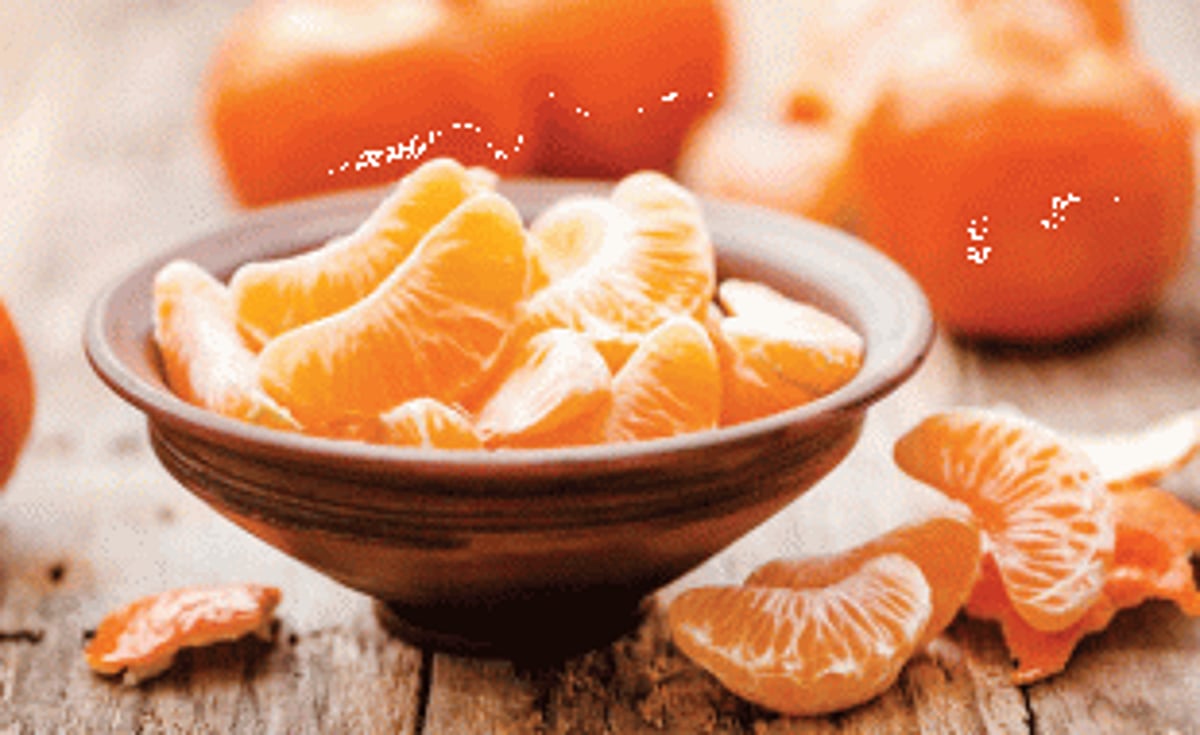
Golden
and yellow orange fruits like oranges and tangerines are also said to symbolise
financial prosperity and are hence, consumed around New Year’s in a number of
countries and cultures, including Chinese. A Greek custom involves smashing a
pomegranate on New Year’s Eve, in order to bring prosperity in the New Year.
More the seeds in the fruit, the better it is. Some people also eat apples
around New Year’s, as they symbolise love and fertility.