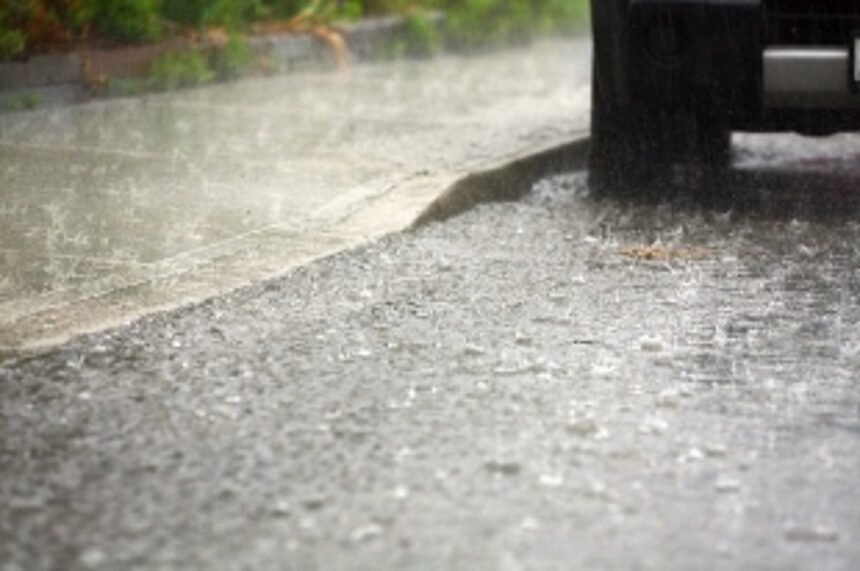
The State has been battered by the rain, it received 32 inches in the space of eight days. This has been enough to result into floods and to throw normal life out of gear, to close down schools for a day, and for essential supplies of milk, vegetable and fruits to get disrupted. Two people have gone missing, landslides have been reported, and the waters in the rivers have risen, flowing over the banks and inundating low-lying areas. The gates of dams have been opened to let out water, adding to the flood situation. Goa has felt the fury of the monsoon after a long period, and it was just not prepared for this.
A close analysis of the situation that developed over the past days and a simple reason for the flooding that has resulted, is that the rain water was unable to find a natural drainage and so remained collected over the ground. The answer as to why this happened is in the ‘development’ or rather the concretisation of the spaces in the State that has been taking place over the years. Fields and even ecologically fragile parcels of land have been converted into real estate areas for construction, cutting off the existing natural drainage system. At the same time, the drainage systems that had been built in the past decades, have also been blocked by construction activity, halting the flow of rain water into the water bodies. An example of this is Panjim, where even a little rain leads to flooding during the high tide, as the river water enters the now reduced number of drains, stopping the unimpeded flow of water.
It is decades now since environment activists in the State have been crying hoarse over the impact of unplanned development, and have been fighting legal battles to curb constructions and other projects especially in low-lying areas or eco-fragile areas. They have tried by pointing out that filling up paddy fields and levelling them to create land for construction results in altering the natural drainage system and flow of water. It does not take any great or specialised technical knowhow to understand that the flow of water into the rivers and the sea has to be allowed naturally, or if the natural system is blocked, than suitable alternative measures have to be taken to create drainages.
Where there were fields, where there were trees, where there was marshy land, there now are buildings. Where will the water flow? That’s a question that the planning and licensing authorities need to answer every time a file seeking permission to construct comes to them. The State has to appreciate the fact that low-lying areas cannot be converted into real estate plots.
The State is now looking at approaching the Centre for relief funds. That will help tide the current crisis and will provide the finance needed for the short term rehabilitation of the people who have been affected. Doubtless it is needed as there are a large number of people who have had to be evacuated by the floods. But what Goa has too do is draw a roadmap for its future planning, where it looks at sustainable forms of development, taking into consideration the need to stay above the water in times of floods. It is easy to blame nature’s fury, but it is also necessary to own up to the creation of man-made blockages to the flow of water. Unsustainable development has to be halted if such disasters are to be avoided.