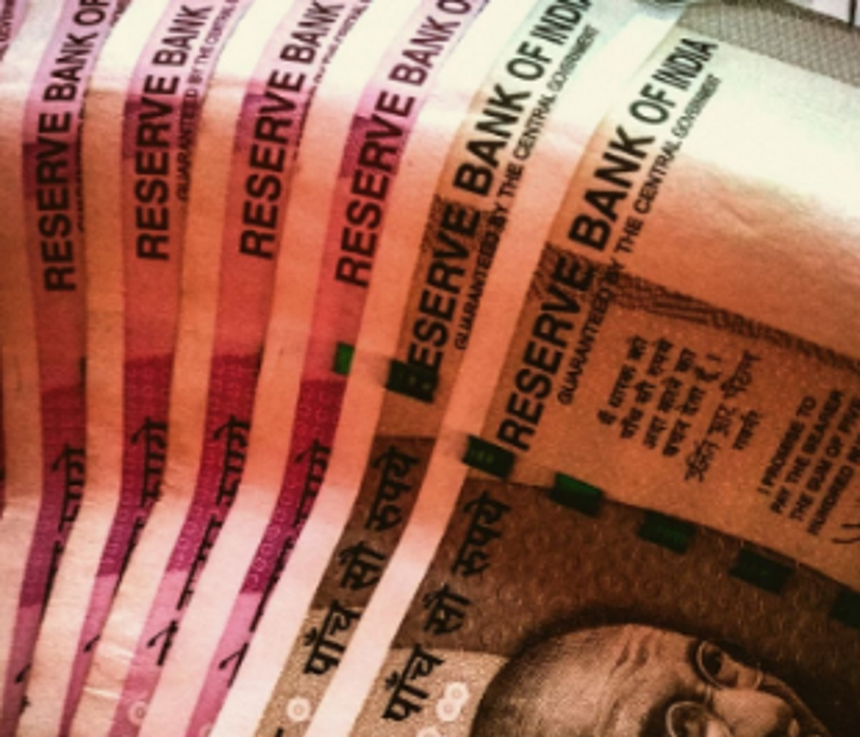
Owing to the lockdown and economy of the country virtually coming to a stand-still, the Union government had announced a Rs 20 lakh crore package to kick start the stalled economic engine. This package contained both fiscal and monetary measures, said to be worth around 10 per cent of India’s Gross Domestic Product (GDP). Noted economists have opined and expressed concerns that this package will do little to stimulate growth, as it includes very little planned government spending and benefits of several measures are expected to only be seen in the medium term. What industry is looking for are some measures that will bring immediate relief to them and also boost the economy.
The industrial production in India plummeted sharply in April when the country went into lockdown and many industry sectors were also shut. The index contracted by 55.5 per cent compared with the same period a year earlier. This includes sectors such as mining, manufacturing and electricity while the manufacturing of consumer durables and goods saw the sharpest decline for the month. The government on record had said that the majority of industrial establishments reported no production for April. The following months, though production restarted, it has been a sluggish start.

The Reserve Bank of India data also showed that the confidence of customers had collapsed in the past weeks. The current situation index and the future expectations index were both below 100, indicating that consumer sentiments were not positive as a reading above 100 shows optimism.
“Consumer perception on the general economic situation, employment scenario and household income plunged deeper into contraction zone,” the RBI said in its release. “Expectation on general economic situation and employment scenario for the year ahead were also pessimistic,” added the release. This survey for May was conducted through phone interviews of 5,300 households in 13 major cities across the country.
Media reports have also suggested that millions lost their jobs due to the lockdown. Experts believe that this would disproportionately affect daily wage earners and low-income households. Information compiled by the Centre for Monitoring Indian Economy (CMIE) showed that the unemployment rate in both rural and urban areas rose sharply in late March. The rate of unemployment relatively remained high in April before showing signs of improvement starting in the month of May when some industries started to open up.
CMIE in its report said that unemployment is “witnessing a very rapid fall” in June, accompanied by an increase in the labour force participation rate. On a national level, India publishes a periodic labour force survey over 12-month periods. In the latest figures released for the fiscal year 2018-2019, data showed the unemployment rate fell to 5.8 per cent from a more than four-decade high the previous year, media reports said. The lockdown’s impact on employment in India is likely to be captured in the next survey, which will be not be released this year.
Representations have been made before the Union government from various sectors to take urgent and immediate steps to build-in confidence amidst the industry so that jobs are not lost and new opportunities can be created. Similarly, the representations have also been made before the Reserve Bank of India and the various public sector banks by various bodies and industry associations for reduction of interest rates on loans.
At this moment there is no certainty and almost every week the scenario is rapidly changing. We have no way of dealing with the uncertainties of the new norms that have been thrust upon us, be it Covid-19 pandemics, epidemics, drought, crop failures, storm floods and civil unrest caused by emerging crises. Further, India being on the radar of the global countries, without a seat at the high table, India needs to be prepared for any such eventuality as all nations are learning to be self-sufficient rather than expecting help from other rich nations.